Easter in Egypt
Two Easters, one spring — and on the Monday after, the whole country outdoors.
Palm crosses at the church door
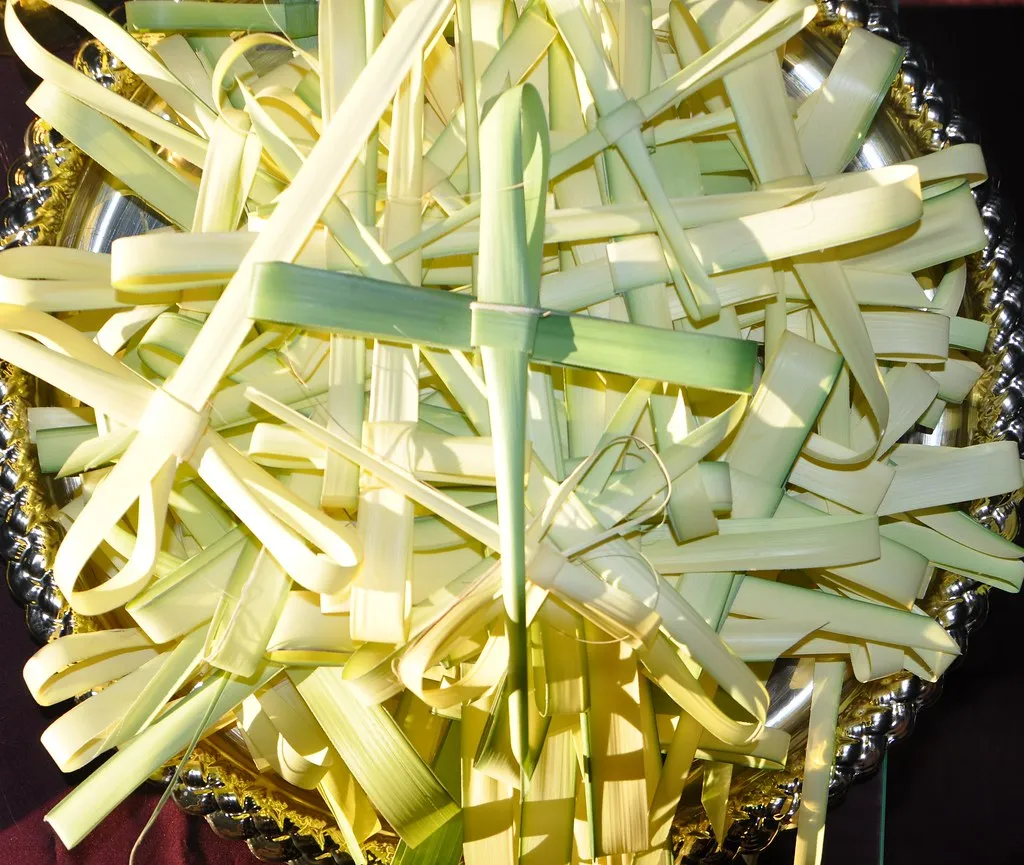
On the Sunday before Coptic Easter, the pavements outside Cairo's churches turn green. Sellers sit with armfuls of fresh palm fronds and weave them while you watch — crosses, crowns, rings, little woven donkeys for the children — and families carry them home and keep them until the next year. It is Palm Sunday, the first day of the busiest week in the Coptic calendar.
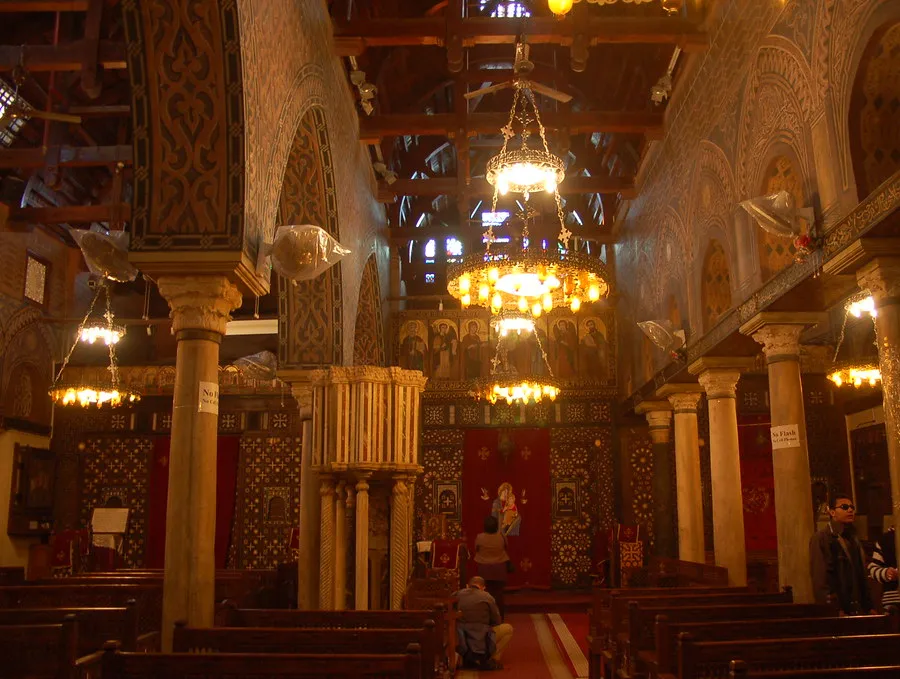
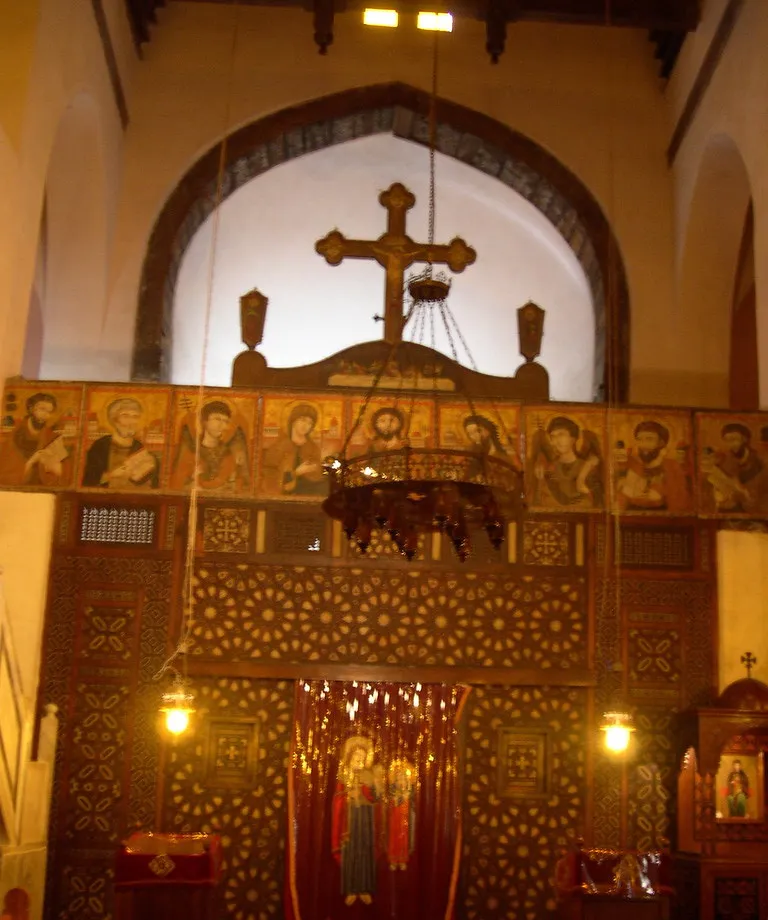
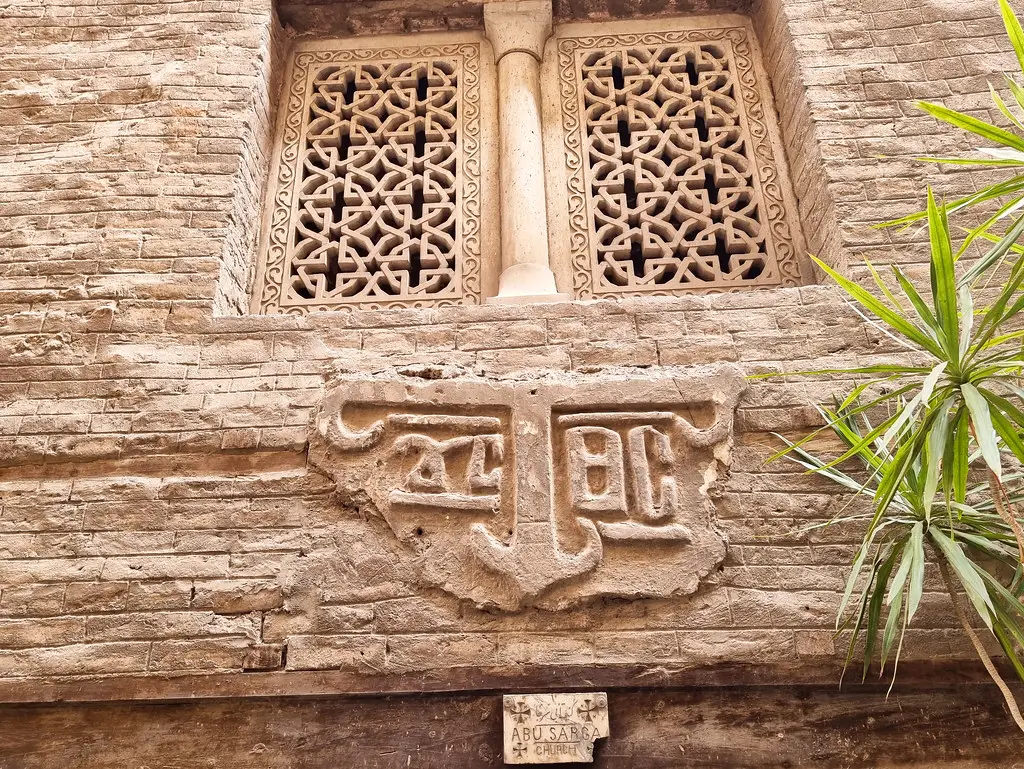
The week ends on Saturday night. The Easter liturgy runs for hours and ends after midnight, when the bells ring and the fast that began eight weeks earlier is over; families go home to the first meat, eggs and cheese since it began. In Old Cairo, the Hanging Church and Abu Serga — where tradition says the Holy Family sheltered — are full to the doors.
Our guests come to these churches as visitors, not spectators: we go when the doors are open, keep to the back during a service, and leave the photographs for the courtyard.
“Al-Masih qam!” — “Bil-haqiqa qam.” Christ is risen; he is risen indeed: the greeting on every Coptic doorstep on Easter morning.
When is Easter in Egypt?
Two Sundays in most years, and a public holiday on the Monday after the second one. Computed from the two church calendars, five years ahead.
Western Easter is kept by the Catholic and Protestant churches. Coptic and Orthodox Easter is kept by the Coptic Orthodox Church — Egypt's own Easter — and by the Greek, Russian and other Orthodox churches. Sham El-Nessim, always the Monday after it, is a national public holiday.
Overview
Easter is a good time to be in Egypt for two reasons that have nothing to do with each other. The first is the weather: late March and April are the last weeks of easy days in the Nile Valley before the heat — warm enough for an afternoon on a felucca, cool enough to walk Karnak in the morning. The second is that Egypt has an Easter of its own. The Coptic Orthodox Church, founded by tradition by Saint Mark in Alexandria, is the largest Christian community in the Middle East, and its Easter follows the older Julian reckoning — usually a week or more after the Western date, in some years on the same day. The week before is Holy Week: palm fronds woven into crosses and crowns outside every church on Palm Sunday, services every day, and the Easter liturgy on Saturday night, which ends after midnight, when a fast of fifty-five days is broken at home. On the Monday, the whole country — Muslim and Christian alike — goes outdoors for Sham El-Nessim, a spring festival older than either faith. We plan Easter journeys around both calendars: the monuments early, the churches of Old Cairo when visitors are welcome, and the long weekends when Egyptians are travelling too.
Highlights
- Palm Sunday in Cairo — palm fronds woven into crosses and crowns outside every church, a week before Coptic Easter
- The Easter liturgy on Saturday night in Old Cairo, ending after midnight with the bells
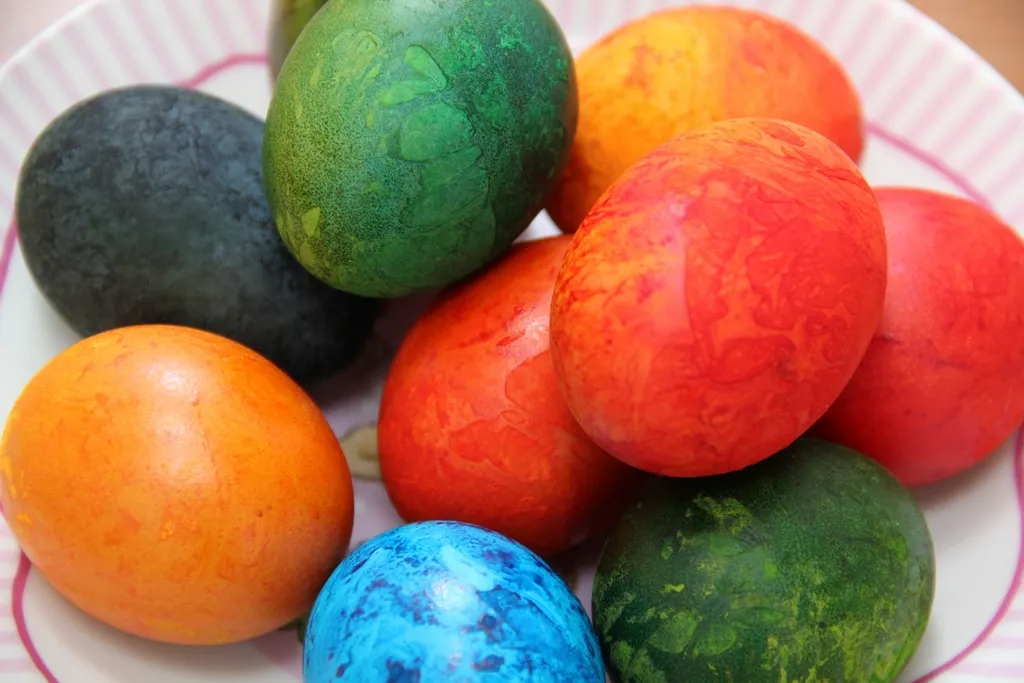
- Sham El-Nessim on the Monday after: picnics on every riverbank, coloured eggs, and a festival kept since the age of the pyramids
- The last weeks of easy weather in the Nile Valley — Cairo 23–26°C in March and 27–30°C in April, Luxor walkable at opening
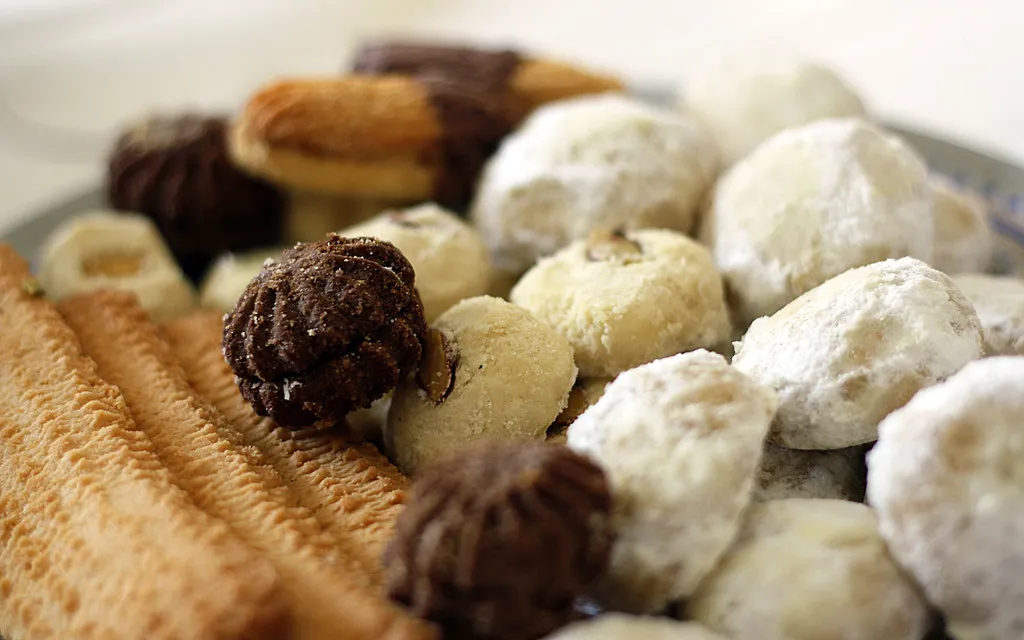
- Kahk and biscuits — the feast-day pastries baked for Easter, as for Eid
Planning notes
- In 2027: Western Easter is Sunday 28 March and Coptic Easter Sunday 2 May, 5 weeks later. Coptic Palm Sunday is Sunday 25 April, and Sham El-Nessim Monday 3 May.
- Western Easter week is peak season: most of Europe travels in it, and the best Nile cabins, Giza-view rooms and Abu Simbel flights go months ahead. Book three to six months out
- Coptic Easter and Sham El-Nessim are Egypt's own holidays: Alexandria, the Red Sea and Sinai fill with Egyptian families for the long weekend and trains are full, while the monuments stay open
- Western Easter Sunday and Monday are ordinary working days in Egypt
- From April, Luxor reaches 34–37°C and Aswan 35–38°C: we plan the Valley of the Kings at opening and leave the afternoons free
- The khamaseen, a hot, dusty spring wind, can blow for a day or two between March and May; we keep a free half-day in the plan for it
Travel tips
- In church, cover shoulders and knees; a light scarf is useful. Stand at the back during a service — Coptic liturgies are long, and slipping out quietly is fine
- Ask before photographing a service; the courtyards, the woodwork and the icons are easier
- The big churches are full to the doors on Easter night. If you want to attend, tell us when you write and we will advise which church and when to arrive
- On Sham El-Nessim the parks and the corniches are packed; we plan the day around the river — a felucca, a garden island — rather than the crowds
- Fesikh, the salted fish of Sham El-Nessim, is an acquired taste; the coloured eggs, green onions and lupini beans are the easy part of the table
Frequently asked questions
When is Easter in Egypt in 2027?
There are two dates. Western Easter, kept by the Catholic and Protestant churches, is Sunday 28 March. Coptic Orthodox Easter — the one Egypt celebrates — is Sunday 2 May. Sham El-Nessim, the national spring holiday, follows on Monday 3 May.
What is Coptic Easter?
The Easter of the Coptic Orthodox Church, Egypt's ancient church and the largest Christian community in the Middle East. It follows the older Julian reckoning, like the Greek and Russian Orthodox churches, so it falls up to five weeks after the Western date and in some years on the same day. It closes a fast of fifty-five days and a Holy Week of daily services, with the Easter liturgy on Saturday night.
Is Easter a public holiday in Egypt?
Sham El-Nessim, the Monday after Coptic Easter, is a national public holiday for everyone. Coptic Easter Sunday is kept by Egypt's Christians, and Western Easter Sunday and Monday are ordinary working days. The monuments and museums stay open throughout.
Can visitors attend Easter services in Cairo?
Yes. Coptic churches welcome respectful visitors, and Catholic and Anglican churches in Cairo hold Western Easter services. Dress modestly, stand at the back during the liturgy and ask before taking photographs. The churches of Old Cairo — the Hanging Church and Abu Serga — are full on Easter night, so if you want to attend, tell us and we will advise where and when to arrive.
Is Easter a good time to visit Egypt?
One of the best. Late March and April are the last comfortable weeks in the Nile Valley: Cairo is around 23–26°C in March and 27–30°C in April, and Luxor 28–31°C in March. The trade-offs are crowds and prices in Western Easter week, and the domestic holiday rush around Sham El-Nessim — book early, and plan the south around the mornings.
What is Sham El-Nessim?
Egypt's spring festival, on the Monday after Coptic Easter. Its roots are ancient Egyptian, and because it is older than both Christianity and Islam it is kept by every Egyptian. Families spend the day outdoors — by the Nile, in parks and gardens, on the corniche in Alexandria — with coloured eggs, green onions, lupini beans and fesikh.
What do Egyptians eat at Easter?
Coptic families break the fast after the Easter liturgy with what they have gone without for eight weeks — meat, eggs, cheese — and bake kahk and biscuits, the same feast-day pastries as at Eid. On Sham El-Nessim everyone eats outdoors: coloured eggs, green onions, lettuce, lupini beans and fesikh, the salted grey mullet that divides the country.
Palm crosses, painted eggs and the feast

Featured tours
Private tours included in the Easter in Egypt collection.

Religious Cairo & the Citadel
The Hanging Church, Ben Ezra Synagogue and Abu Serga in Old Cairo, then Saladin's Citadel and the alabaster Mosque of Muhammad Ali.
Cairo of the Eight Worlds
A deep, slow reading of the world's greatest layered city — its two museums, three faiths, medieval streets and the necropolis where the pyramid was invented.
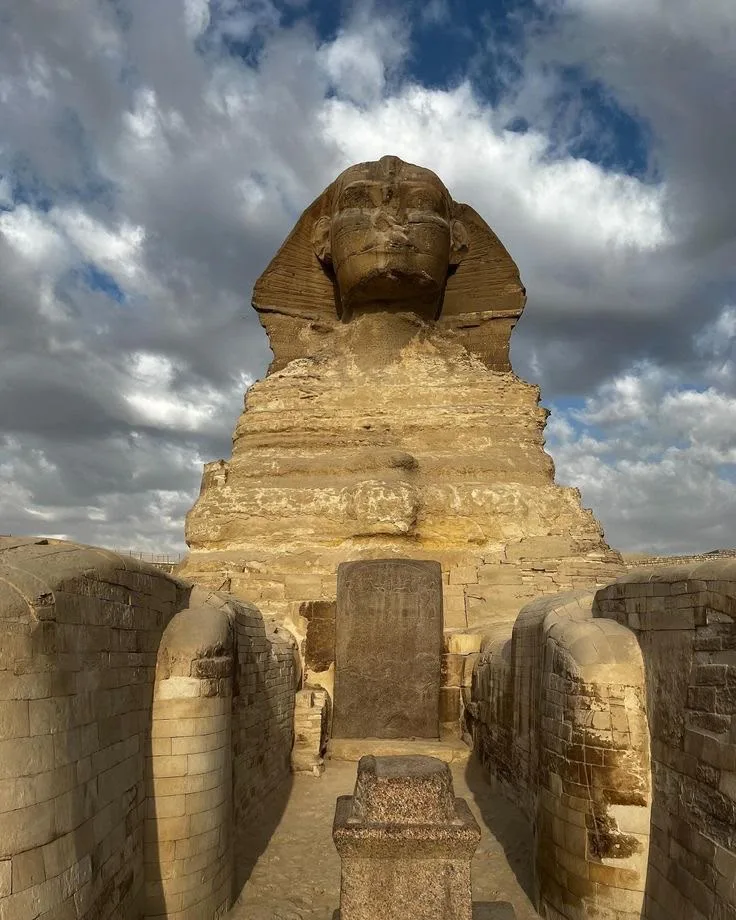
Egypt Highlights Deluxe
The headline acts of Egypt in seven days — the Egyptian Museum, Alexandria, the temples and tombs of Luxor, and the Pyramids of Giza.
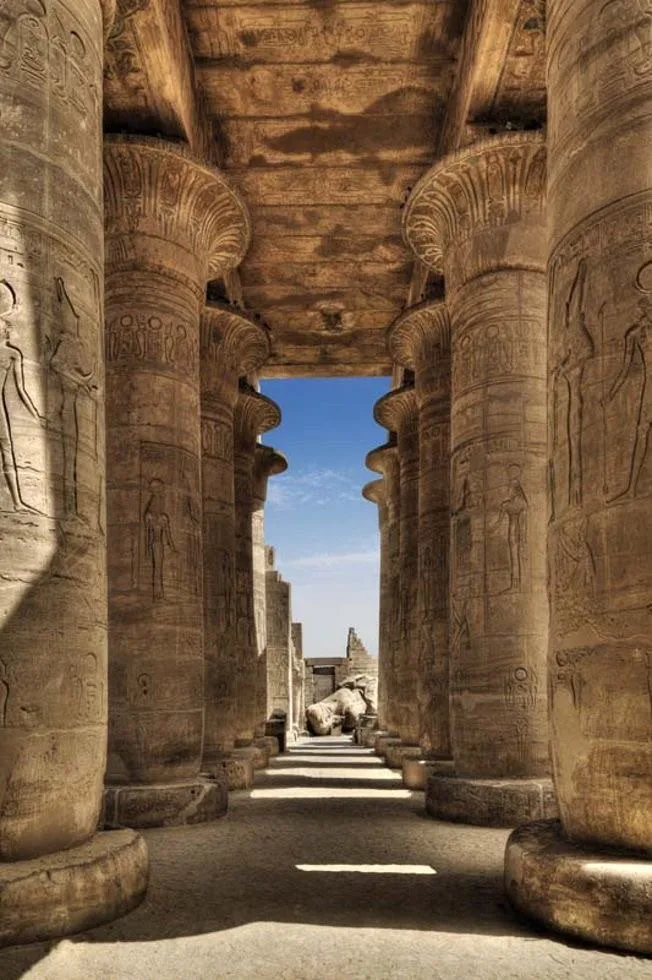
Egypt Icons & Nile Cruise
Our signature journey: Cairo, Alexandria, a sleeper train south, and a three-night Nile cruise from Aswan to Luxor — every layer of Egypt in one arc.

Nile in Style: Aswan to Luxor
The essential Nile cruise, done properly — Philae and the High Dam, three nights afloat past Kom Ombo and Edfu, and Luxor's East and West Banks with your own Egyptologist.
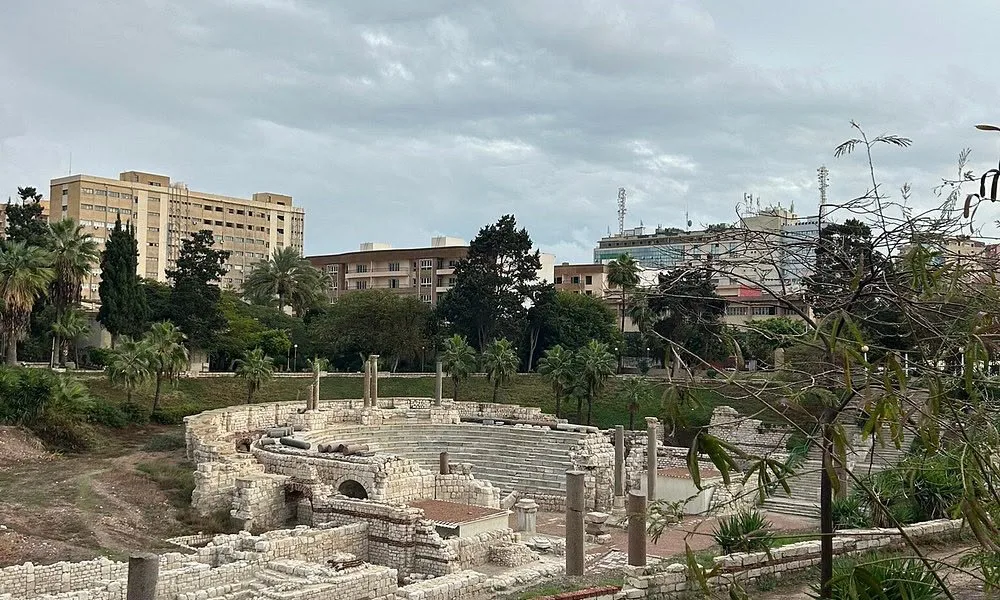
Alexandria Sightseeing
The Catacombs of Kom El Shoqafa, Pompey's Pillar, the Citadel of Qaitbay on the old Pharos site and the Bibliotheca Alexandrina, with a seafood lunch.
Featured destinations
Cairo
Egypt's capital on the Nile — medieval Islamic and Coptic quarters, the Egyptian Museum, and the gateway to Giza.
Explore →Alexandria
Egypt's Mediterranean port founded by Alexander the Great — Greco-Roman ruins and the reborn Library.
Explore →Luxor
The open-air museum of ancient Thebes — Karnak, Luxor Temple and the royal tombs of the Valley of the Kings.
Explore →Featured experiences
Old Cairo Walking Experience
Walk the medieval lanes of Islamic Cairo and the Coptic quarter with a historian guide who reads nearly two thousand years of layered city — from Roman fortifications to Ottoman merchant palaces.
Private Felucca Sailing on the Nile
Charter an entire traditional felucca and drift down the Nile past ancient temples, granite boulders and palm-lined riverbanks — at the same unhurried pace Egyptians have sailed for millennia.
Alexandria Heritage Walk
The Mediterranean's lost capital on foot — Greco-Roman remains, belle-époque cafés and the corniche, read by a guide who knows where the layers show.
Planning resources
Guides to help you plan and prepare.
Best Time to Visit Egypt
Egypt's best travel season is October to April, when Nile Valley temperatures are mild and monuments are comfortable to explore. Here is what to expect season by season and destination by destination.
Egypt Travel Guide
Everything you need to plan a trip to Egypt — visa requirements, the best time to go, getting around, top destinations, culture and practical essentials.
Egyptian Food Guide
A practical guide to Egyptian cuisine — the dishes to seek out, how Egyptians eat, where to find the best food, and what to expect for dietary requirements.
Related collections
Sham El-Nessim & the Egyptian Spring
Every spring, the whole of Egypt goes outdoors on the same day for a festival that predates Christianity and Islam by millennia. Around it sits the year's most temperate travel window.
Christmas & New Year in Egypt
Late December and early January are Egypt's warmest, brightest weeks of the northern winter — and the country's most sought-after travel dates. Christmas at the Pyramids, New Year's Eve aboard a Nile cruise, and Coptic Christmas on 7 January.
Family Adventures
From the Pyramids of Giza to Fayoum's desert landscapes, Egypt is a natural family destination — endlessly fascinating for curious minds at every age.
Need help planning?
Tell us your travel dates, group size and what matters most to you. We design every itinerary from scratch — no templates.