Sham El-Nessim & the Egyptian Spring
The oldest festival still celebrated on earth — and the country's kindest weather.
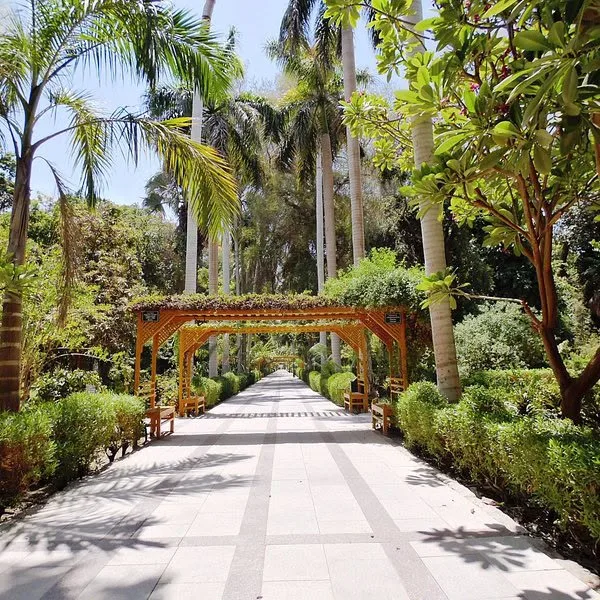
Overview
Sham El-Nessim is not a religious holiday, which is exactly why every Egyptian celebrates it. Its roots run back to the Old Kingdom — to a harvest festival marked here at least as early as the third dynasty, around 2700 BCE — and it has been observed continuously ever since, through pharaonic, Christian and Islamic Egypt alike. On the Monday after Coptic Easter the entire country goes outside: to the Nile banks, the parks, the gardens of Aswan, the Alexandria corniche. Families bring painted eggs, spring onions, lupini beans and fesikh, the salted mullet that is either the best or the worst thing about the day depending on whom you ask. For a visitor it is the single most vivid day to be in Egypt, and it sits inside March–May, when the Nile Valley is warm but not yet fierce and the light is long and clean.
Highlights
- A festival documented in Egypt since roughly 2700 BCE — still a public holiday, still universally kept
- Celebrated by Egyptians of every faith, which makes it the most unguarded, most sociable day of the year
- Painted eggs, spring onions, lupini beans and fesikh — a menu essentially unchanged for millennia
- Kitchener's Island in Aswan, Al-Azhar Park in Cairo and the Alexandria corniche at their liveliest
- March–May daytime temperatures of 25–33 °C in the Nile Valley — warm, long-lit and pre-summer
Planning notes
- The date moves with Coptic Easter: it falls on the Monday after, which in 2027 is 3 May (Coptic Easter, 2 May)
- It is a national public holiday — parks, riverbanks and gardens are full, and domestic travel that weekend is heavily booked
- Book internal flights and Nile cruise segments early for the surrounding week; hotels in Aswan and Luxor fill
- The khamaseen — hot, dust-laden southerly winds — can blow for a day or two between March and early May; itineraries stay flexible around them
- By late May the Nile Valley is regularly above 38 °C, so spring travel is best planned before the third week of May
Travel tips
- Be outdoors on the day itself: a felucca at Aswan or a morning in Al-Azhar Park shows you the festival as Egyptians actually keep it
- Fesikh is fermented salted fish and is an acquired taste — try it somewhere reputable or admire it and eat the rest
- Spring light is excellent for photography but hazier than winter; shoot early and late
- Pack for a real temperature swing: 33 °C at midday in Luxor can fall to 17 °C after dark
Frequently asked questions
What is Sham El-Nessim?
Sham El-Nessim is Egypt's spring festival, celebrated on the Monday after Coptic Easter. Its origins are ancient Egyptian — it is documented from around 2700 BCE as a harvest and renewal festival — and because it predates both Christianity and Islam it is kept by all Egyptians regardless of religion. The day is spent outdoors with family, eating painted eggs, spring onions, lupini beans and fesikh (salted mullet).
When is Sham El-Nessim 2027?
Monday 3 May 2027, following Coptic Easter on Sunday 2 May. The date shifts each year because it is tied to the Coptic Orthodox Easter calculation, so it can fall anywhere between early April and early May. It is an official public holiday in Egypt.
Is spring a good time to visit Egypt?
It is one of the two best windows, alongside autumn. March to May brings daytime temperatures of roughly 25–33 °C in the Nile Valley — warm enough to enjoy, cool enough for long days at Karnak or the Valley of the Kings — with long, clean light. The one caveat is the khamaseen, a hot dusty wind that can blow for a day or two; a flexible private itinerary absorbs it easily.
How do tourists celebrate Sham El-Nessim?
By being outdoors, which is the whole point. The best vantage points are the gardens of Kitchener's Island in Aswan, Al-Azhar Park in Cairo, and the Alexandria corniche — all packed with families picnicking. Your guide can arrange a felucca or a garden picnic with the traditional foods so you experience the day rather than watch it.
What is the khamaseen wind?
A hot, dry, dust-carrying wind that blows out of the Sahara for short spells between roughly March and early May, sometimes dropping visibility and coating everything in fine sand. It rarely lasts more than a day or two at a time. It is a reason to keep a spring itinerary flexible, not a reason to avoid the season.
Featured tours
Private tours included in the Sham El-Nessim & the Egyptian Spring collection.
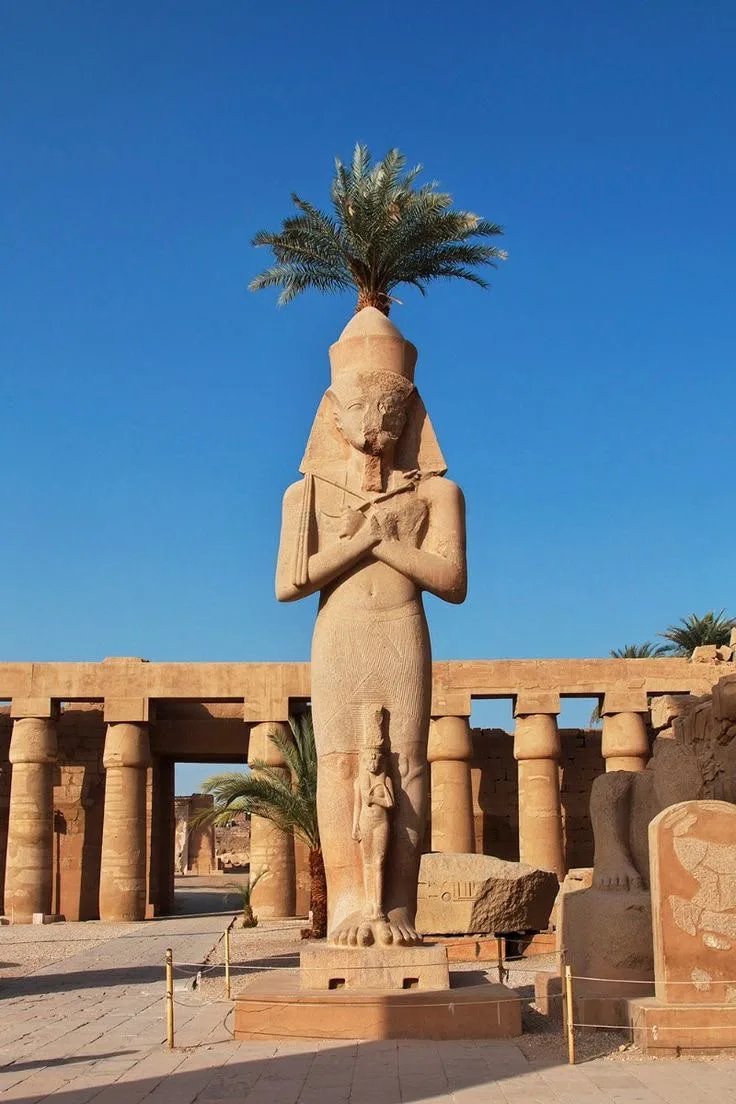
Temples of the South
The deep-history heart of Egypt by private road journey — Karnak, the Valley of the Kings, Edfu, Kom Ombo and Philae, with time to actually absorb them.
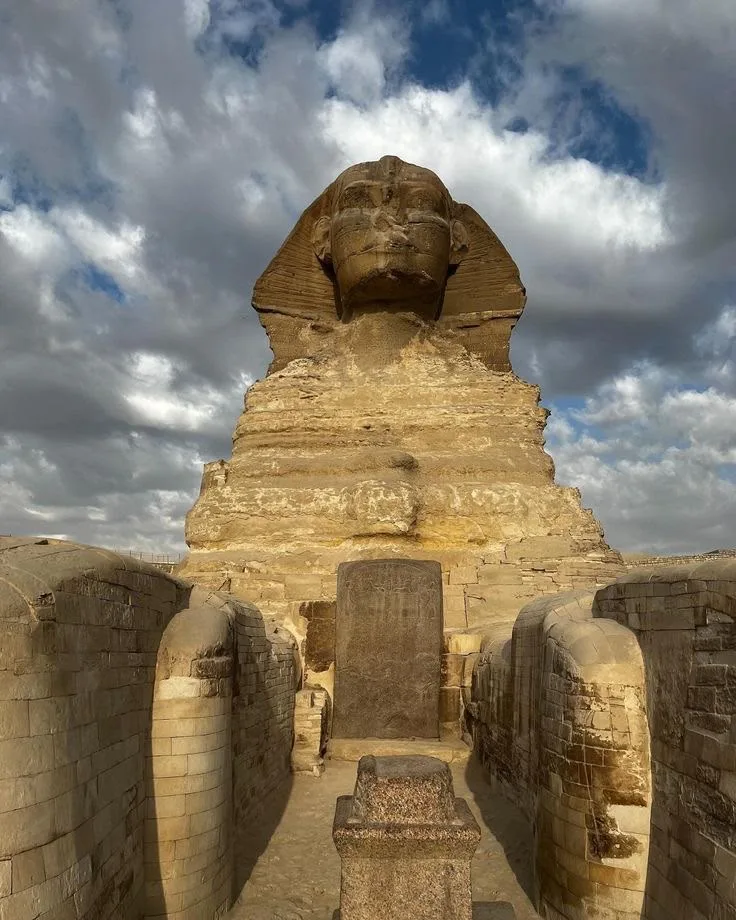
Egypt Highlights Deluxe
The headline acts of Egypt in seven days — the Egyptian Museum, Alexandria, the temples and tombs of Luxor, and the Pyramids of Giza.
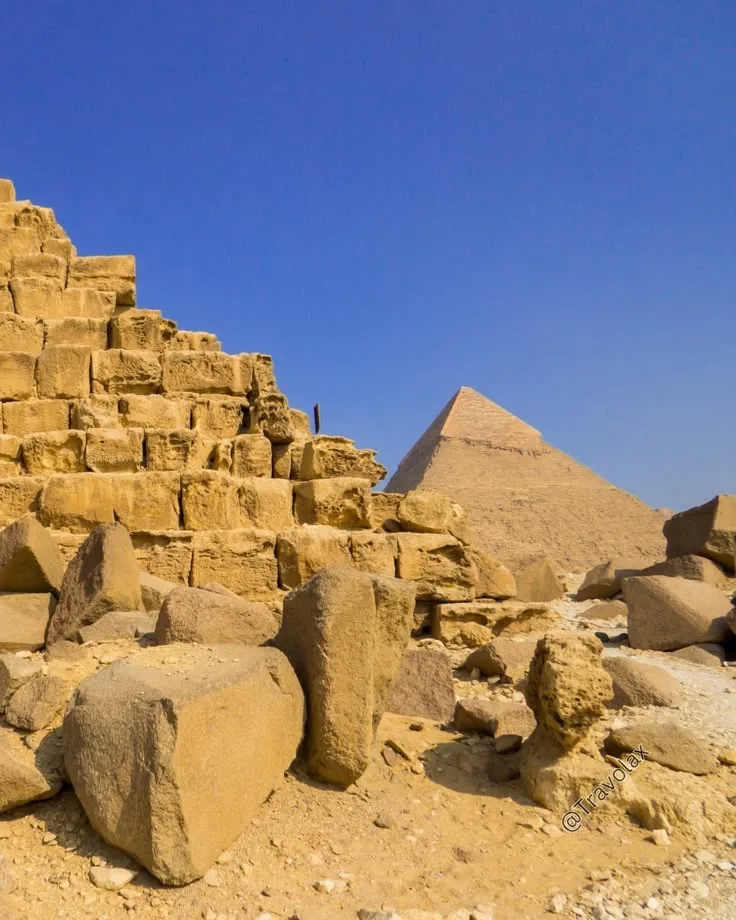
Family Egypt: Pyramids to the Nile
Egypt with children done right: short guided mornings, family-specialist Egyptologists, pool afternoons, and the moments no classroom can match.
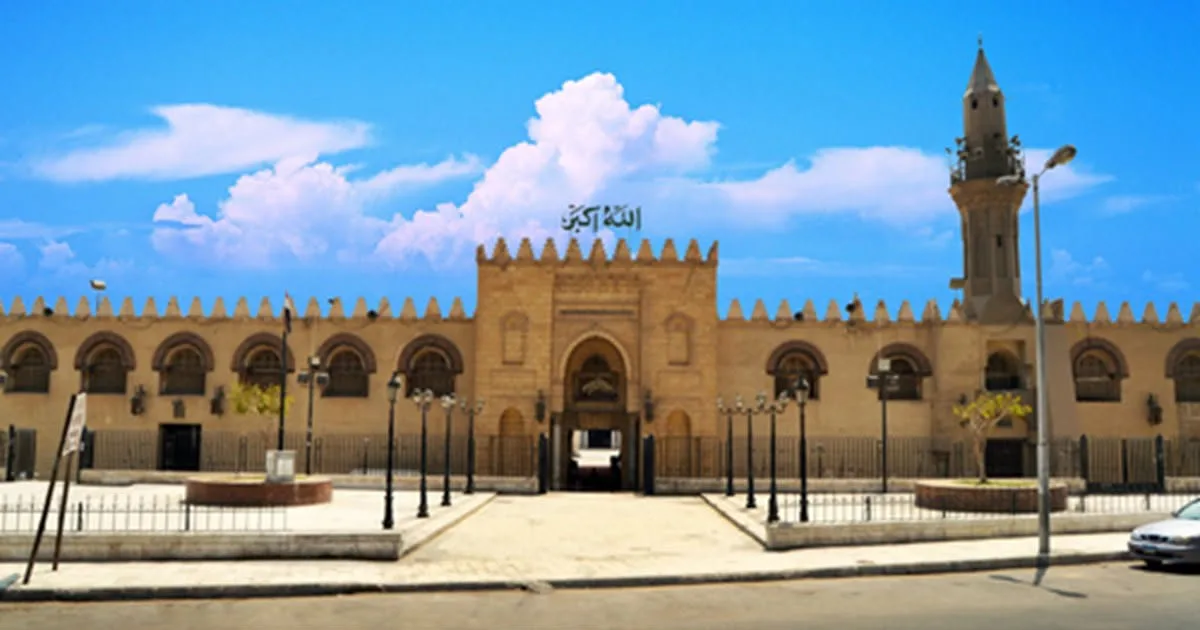
Cairo of the Eight Worlds
A deep, slow reading of the world's greatest layered city — its two museums, three faiths, medieval streets and the necropolis where the pyramid was invented.
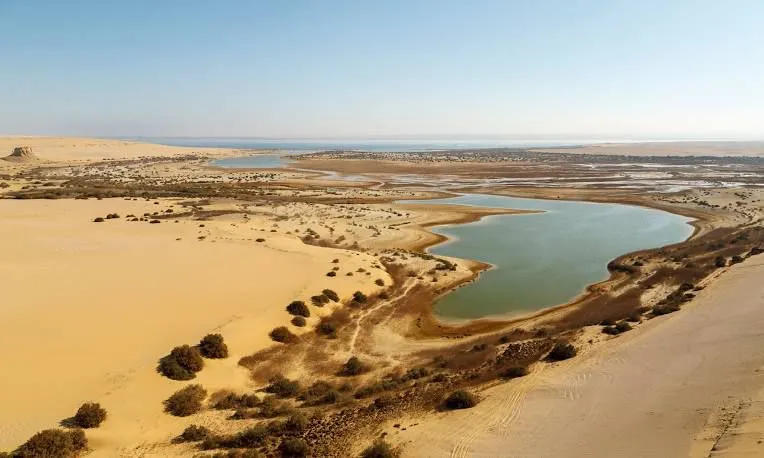
Fayoum Oasis
Lake Qarun, the waterfalls and dunes of Wadi El Rayan, the fossil whales of Wadi Al-Hitan and the potters of Tunis village — Egypt's wild, green other half.
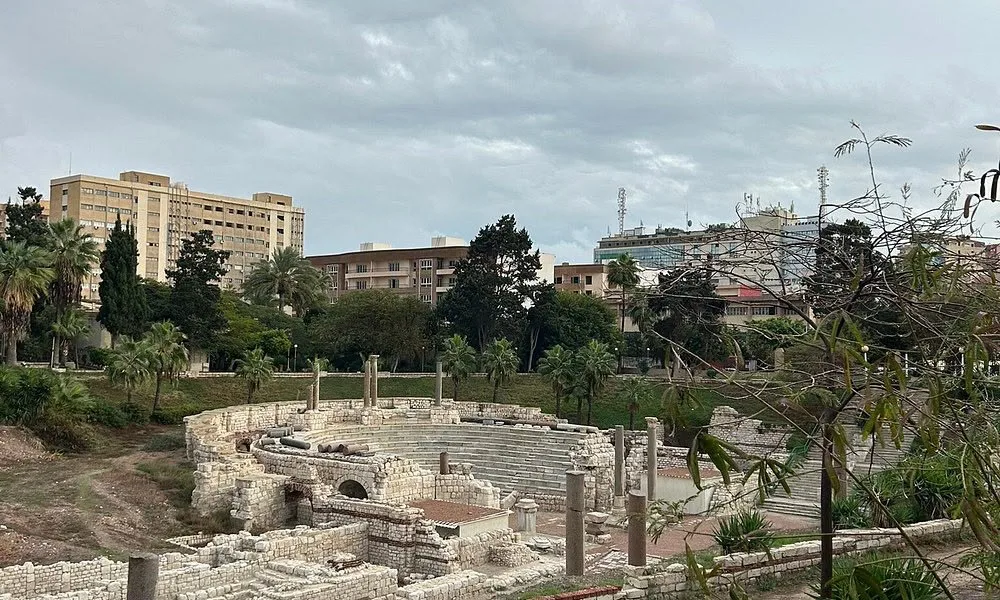
Alexandria Sightseeing
The Catacombs of Kom El Shoqafa, Pompey's Pillar, the Citadel of Qaitbay on the old Pharos site and the Bibliotheca Alexandrina, with a seafood lunch.
Featured destinations
Aswan
Egypt's tranquil southern city on the Nile — Nubian culture, the High Dam and the island temple of Philae.
Explore →Cairo
Egypt's capital on the Nile — medieval Islamic and Coptic quarters, the Egyptian Museum, and the gateway to Giza.
Explore →Alexandria
Egypt's Mediterranean port founded by Alexander the Great — Greco-Roman ruins and the reborn Library.
Explore →Luxor
The open-air museum of ancient Thebes — Karnak, Luxor Temple and the royal tombs of the Valley of the Kings.
Explore →Featured experiences
Private Felucca Sailing on the Nile
Charter an entire traditional felucca and drift down the Nile past ancient temples, granite boulders and palm-lined riverbanks — at the same unhurried pace Egyptians have sailed for millennia.
Nubian Village Experience
Cross the Nile to a painted Nubian village above Aswan — hibiscus tea in a family house, henna, spice talk and a culture older than the pharaohs' border.
Egyptian Cooking Experience
Learn to cook four dishes that trace Egypt's 7,000-year food history — from ancient grain preparations to Ottoman-era stuffed vegetables — in a private kitchen session led by a Cairo food specialist.
Old Cairo Walking Experience
Walk the medieval lanes of Islamic Cairo and the Coptic quarter with a historian guide who reads the city's 1,400-year layered fabric — from Roman fortifications to Ottoman merchant palaces.
Planning resources
Guides to help you plan and prepare.
Best Time to Visit Egypt
Egypt's best travel season is October to April, when Nile Valley temperatures are mild and monuments are comfortable to explore. Here is what to expect season by season and destination by destination.
Egyptian Food Guide
A practical guide to Egyptian cuisine — the dishes to seek out, how Egyptians eat, where to find the best food, and what to expect for dietary requirements.
Egypt Travel Guide
Everything you need to plan a trip to Egypt — visa requirements, the best time to go, getting around, top destinations, culture and practical essentials.
Related collections
Family Adventures
From the Pyramids of Giza to Fayoum's desert landscapes, Egypt is a natural family destination — endlessly fascinating for curious minds at every age.
First-Time Visitors
Everything a first-time visitor needs: the right tours, the right destinations, essential planning guides, and the experiences that define Egypt.
Egypt in Winter
October to March is Egypt's golden window for travel: comfortable temperatures across the Nile Valley, brilliant photography light and the major monuments at their most accessible.
Need help planning?
Tell us your travel dates, group size and what matters most to you. We design every itinerary from scratch — no templates.