What incense did the ancient Egyptians burn?
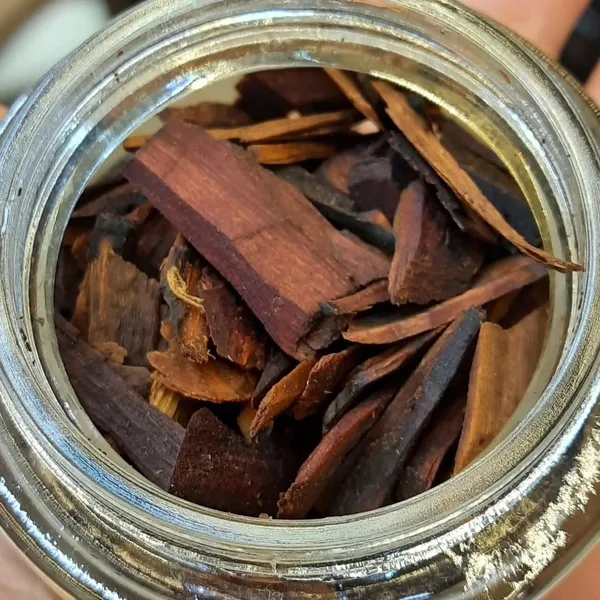
Resins above all — frankincense and myrrh, brought from the lands they called Punt — and kyphi, a blend of resins, honey, wine and spices whose recipe is carved on the walls of Edfu temple. Plutarch records the temple day: resin at dawn, myrrh at midday, kyphi at sunset.
What is luban dakar?
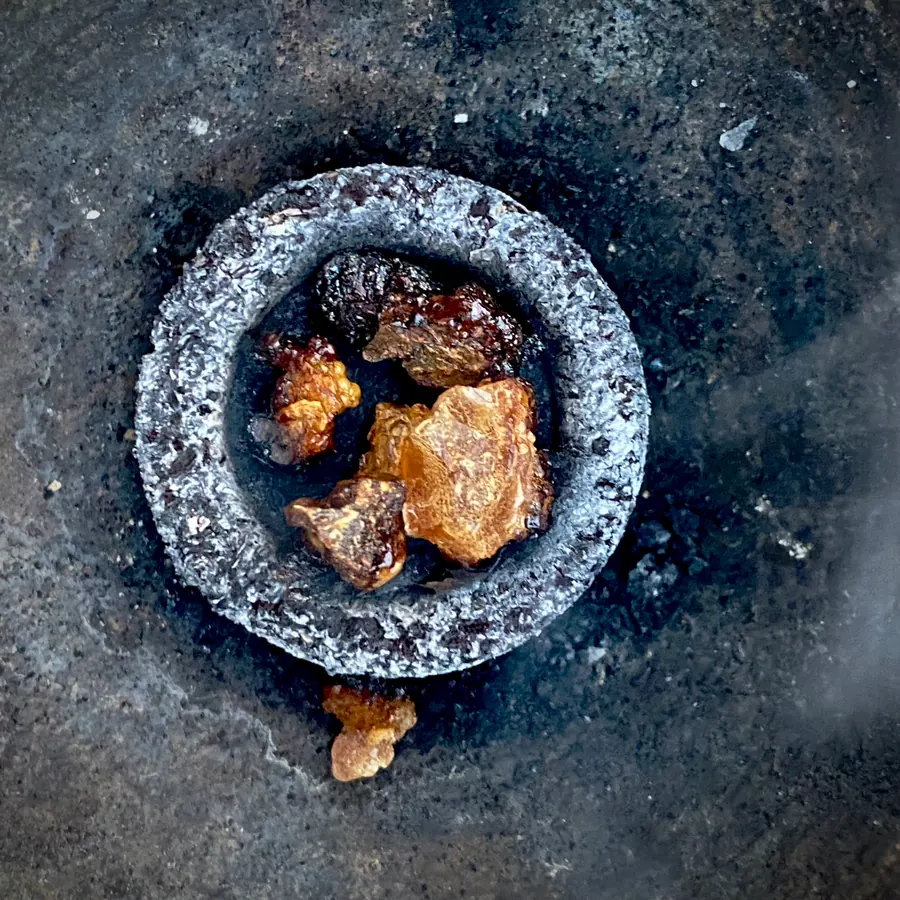
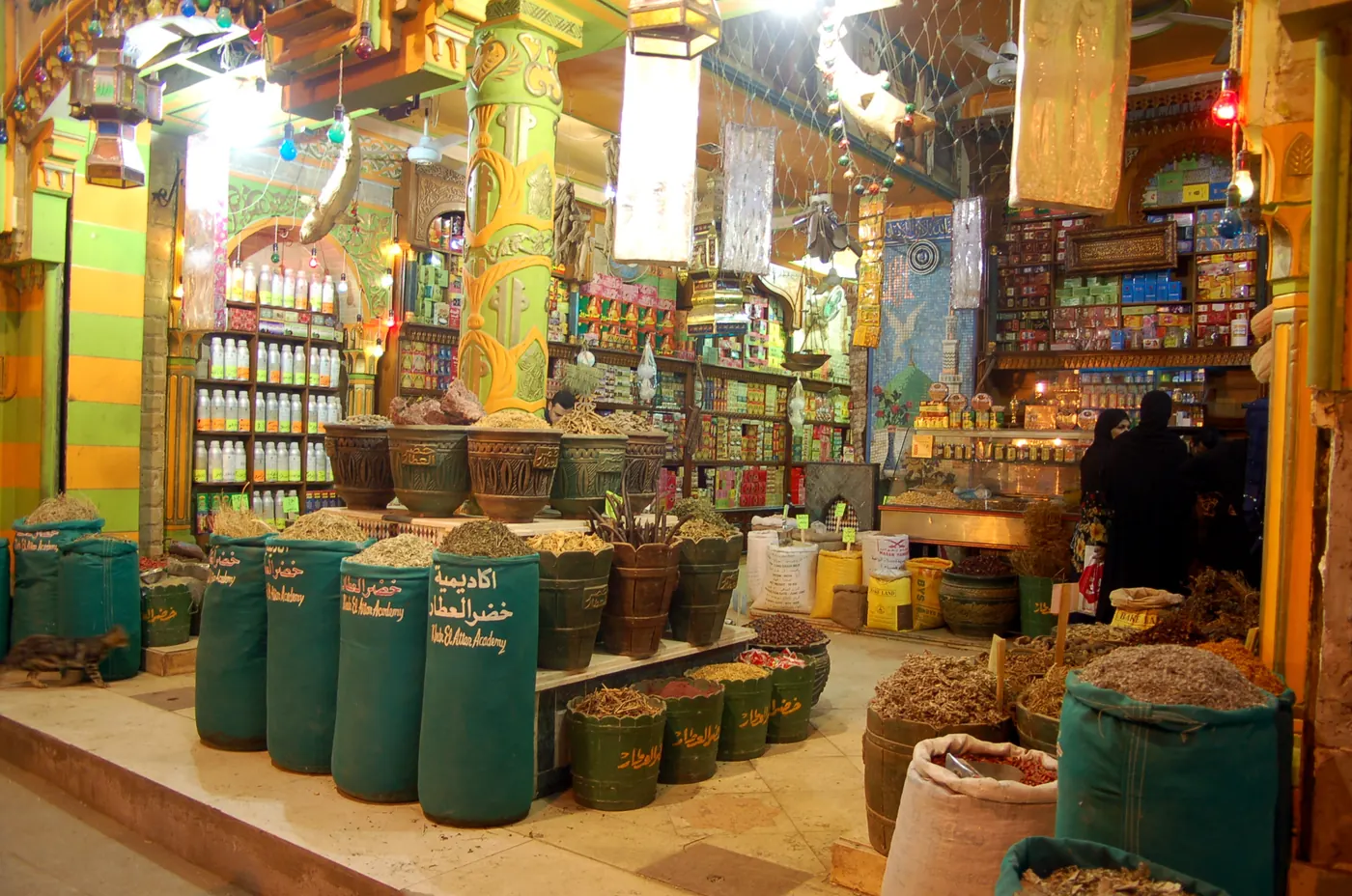
The name Cairo's incense sellers give the finest grade of frankincense: pale, clear tears of Boswellia resin. It burns bright and clean, and is the classic incense for the morning.
How do I burn resin incense at home?
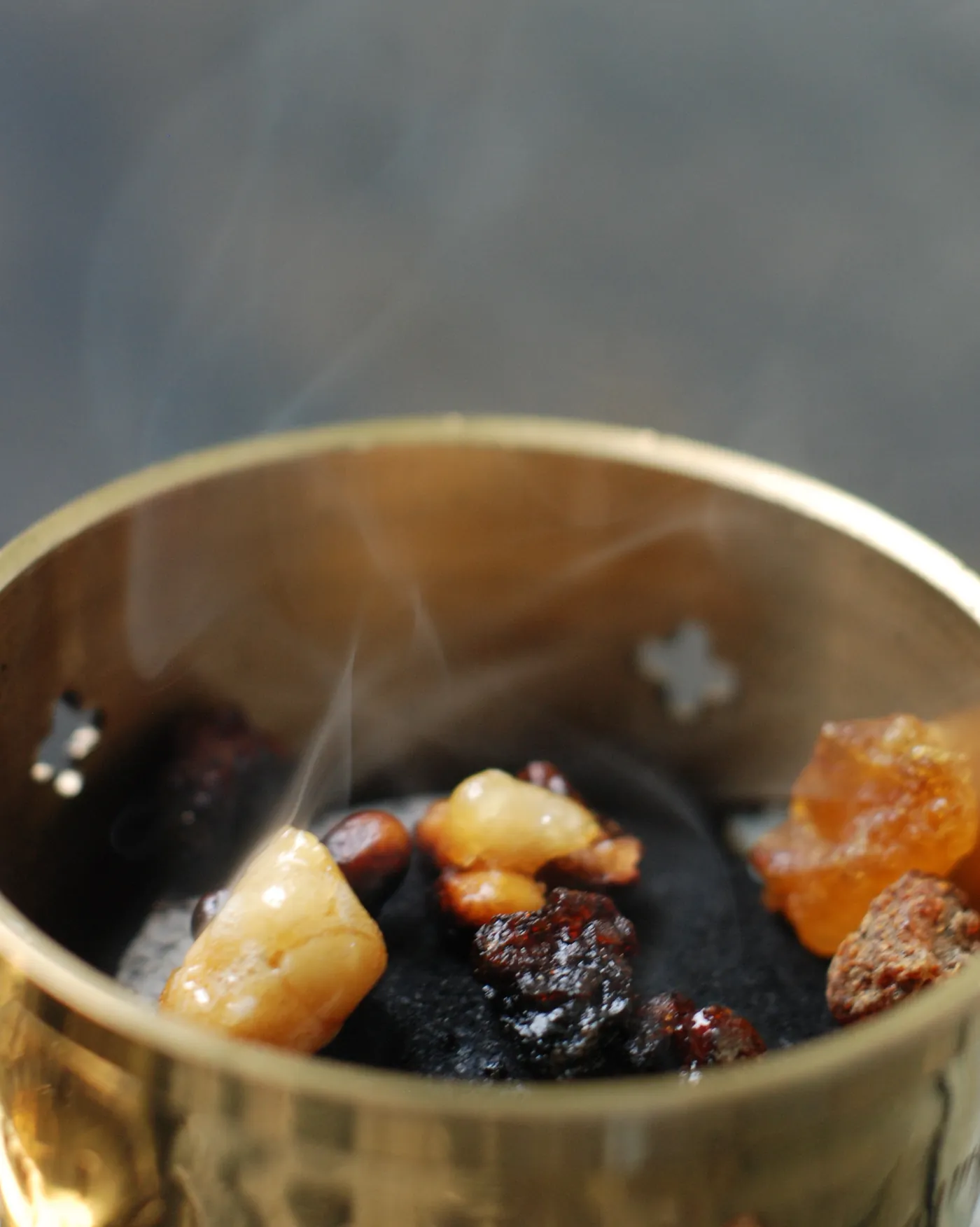
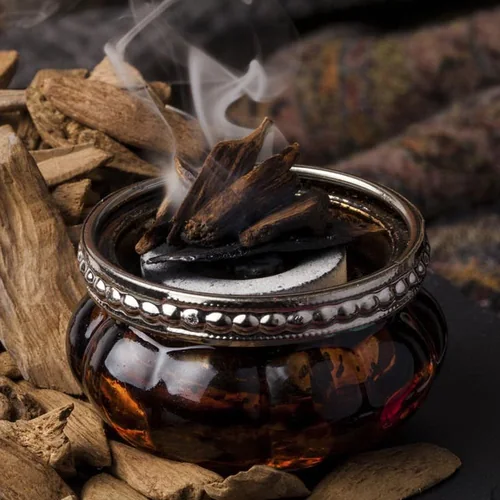
Light a charcoal disc in a heatproof dish and let it turn grey, then lay a pea-sized piece of resin on top. Open a window: a little smoke goes a long way, and incense is meant to scent a room, not fill it.
Is incense used against the evil eye in Egypt?
Yes — it is one of the oldest traditions in Egyptian homes: incense is burned after a visit, before a new beginning and against hasad, the evil eye. It is a belief rather than a science, and we share it as Egyptians live it.
What oils did the ancient Egyptians use?
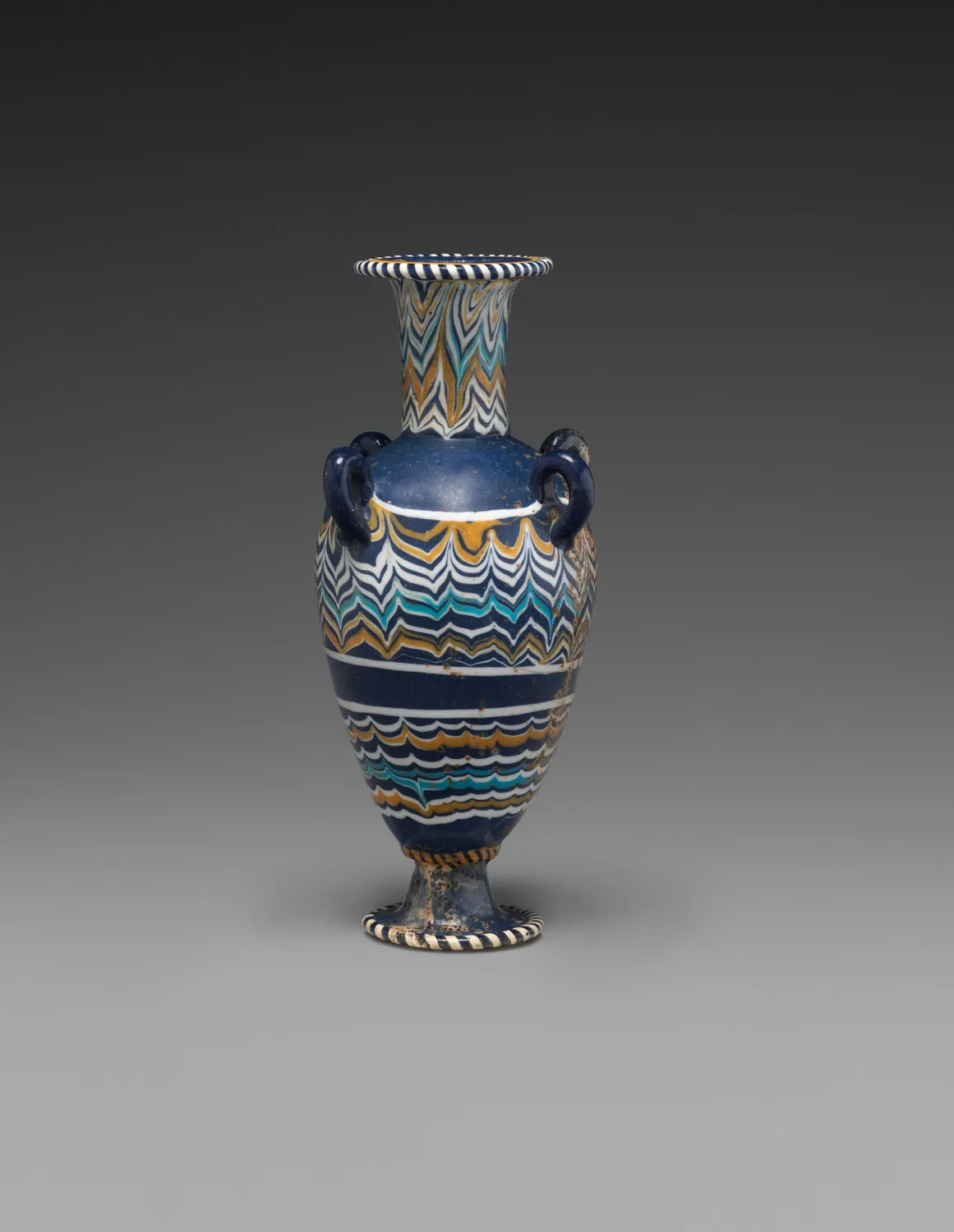
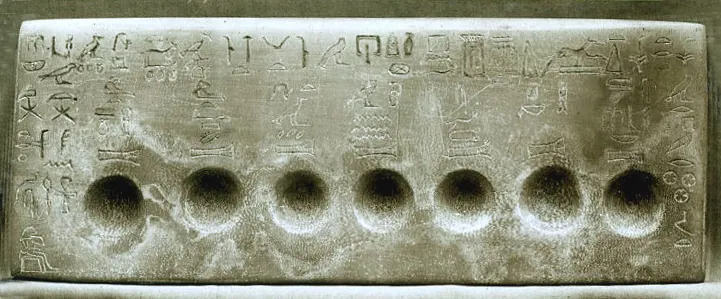
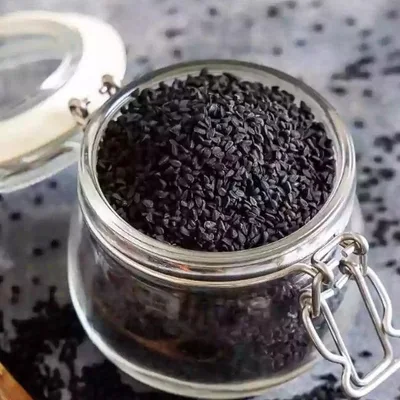
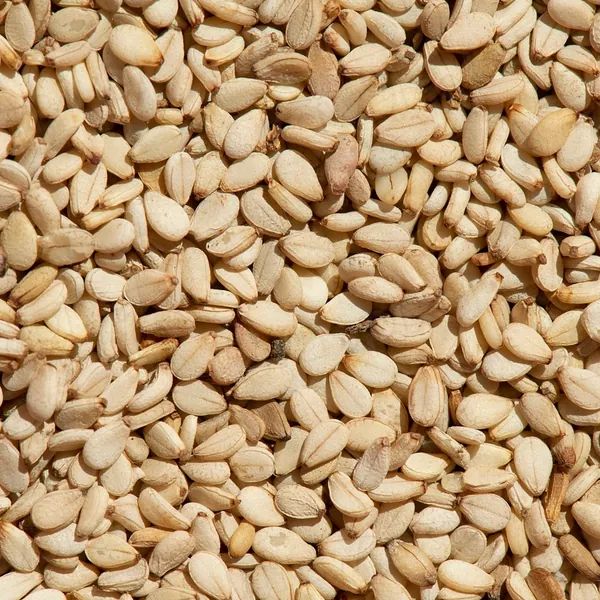
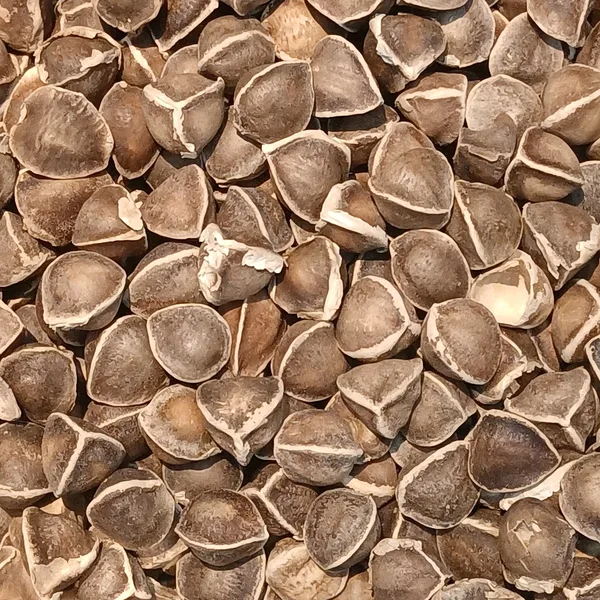
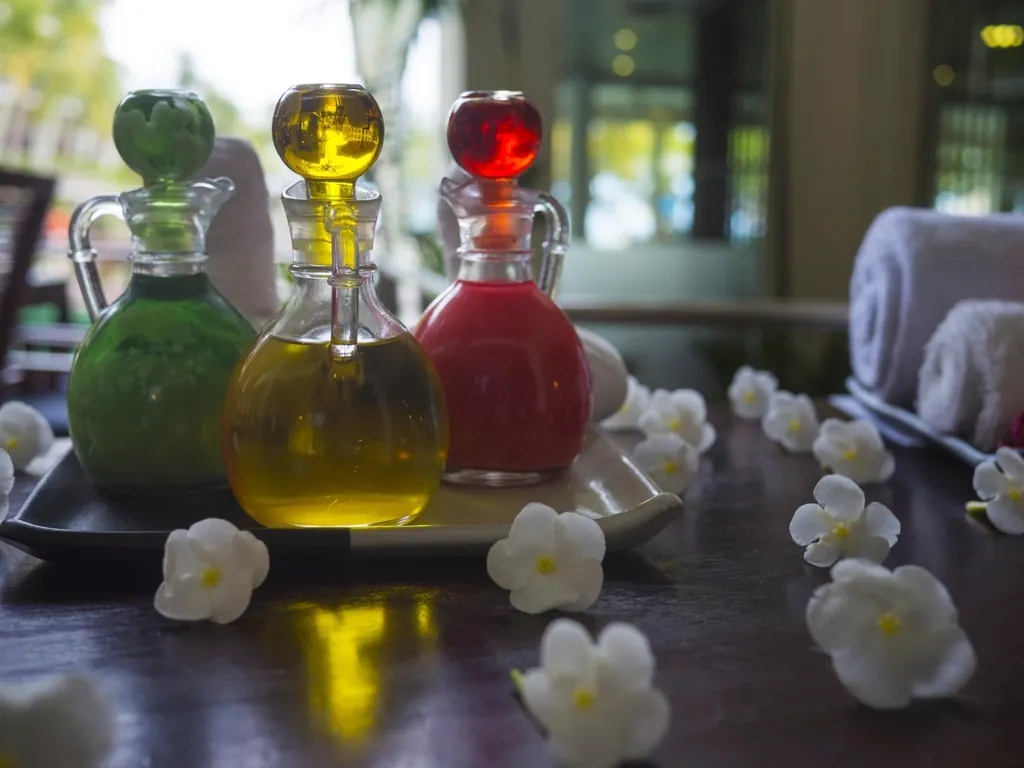
Plant oils — moringa (ben oil), sesame and castor among them — steeped with flowers, resins and spices to make perfumes and ointments. Temples kept seven sacred oils for their rituals, and offering slabs with seven hollows, one for each oil, survive from the Old Kingdom.
How do I make a massage oil?
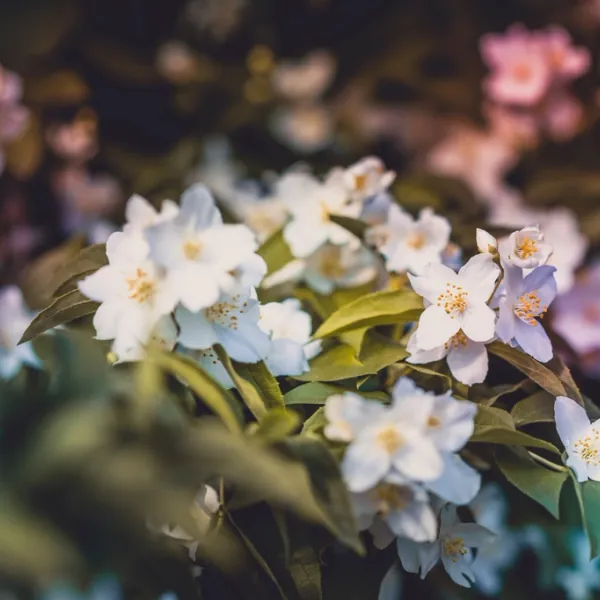
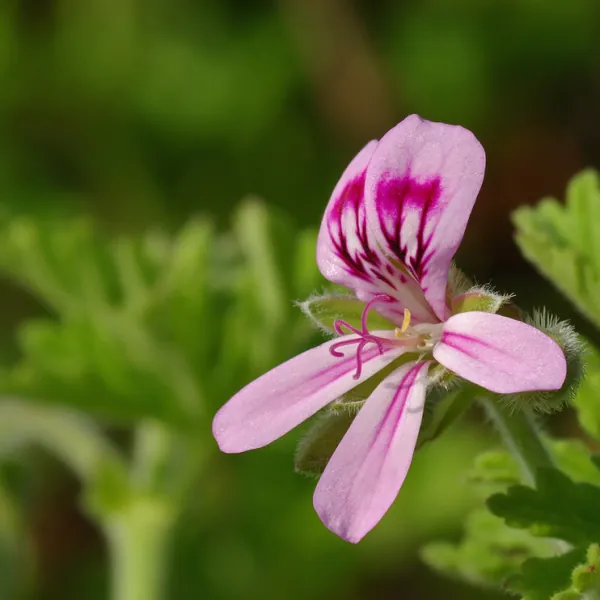
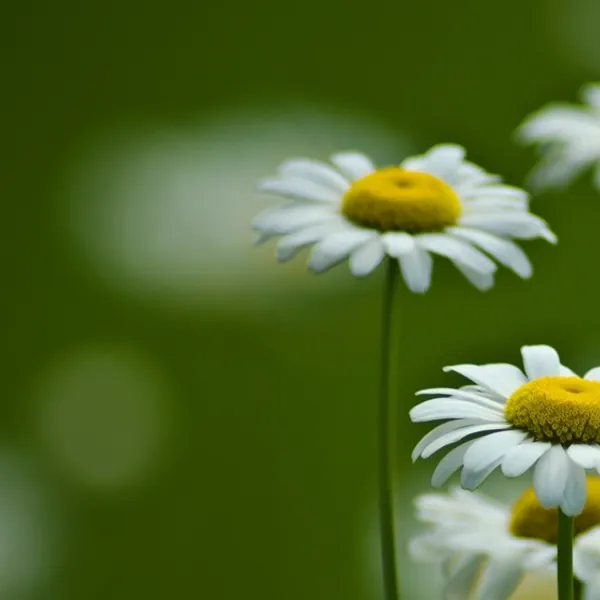
Mix a few drops of an essential oil — jasmine, geranium or chamomile — into a carrier oil such as sesame, sweet almond or moringa. Essential oils are too strong to use on the skin undiluted: test the blend on a small patch of skin first, keep it away from the eyes, and ask your doctor before using essential oils if you are pregnant.
Is Egyptian jasmine special?
Egypt is one of the world's largest producers of jasmine. In the Nile Delta the flowers are picked by hand before sunrise, when their scent is strongest, and extracted the same day.
Which gemstones come from Egypt itself?
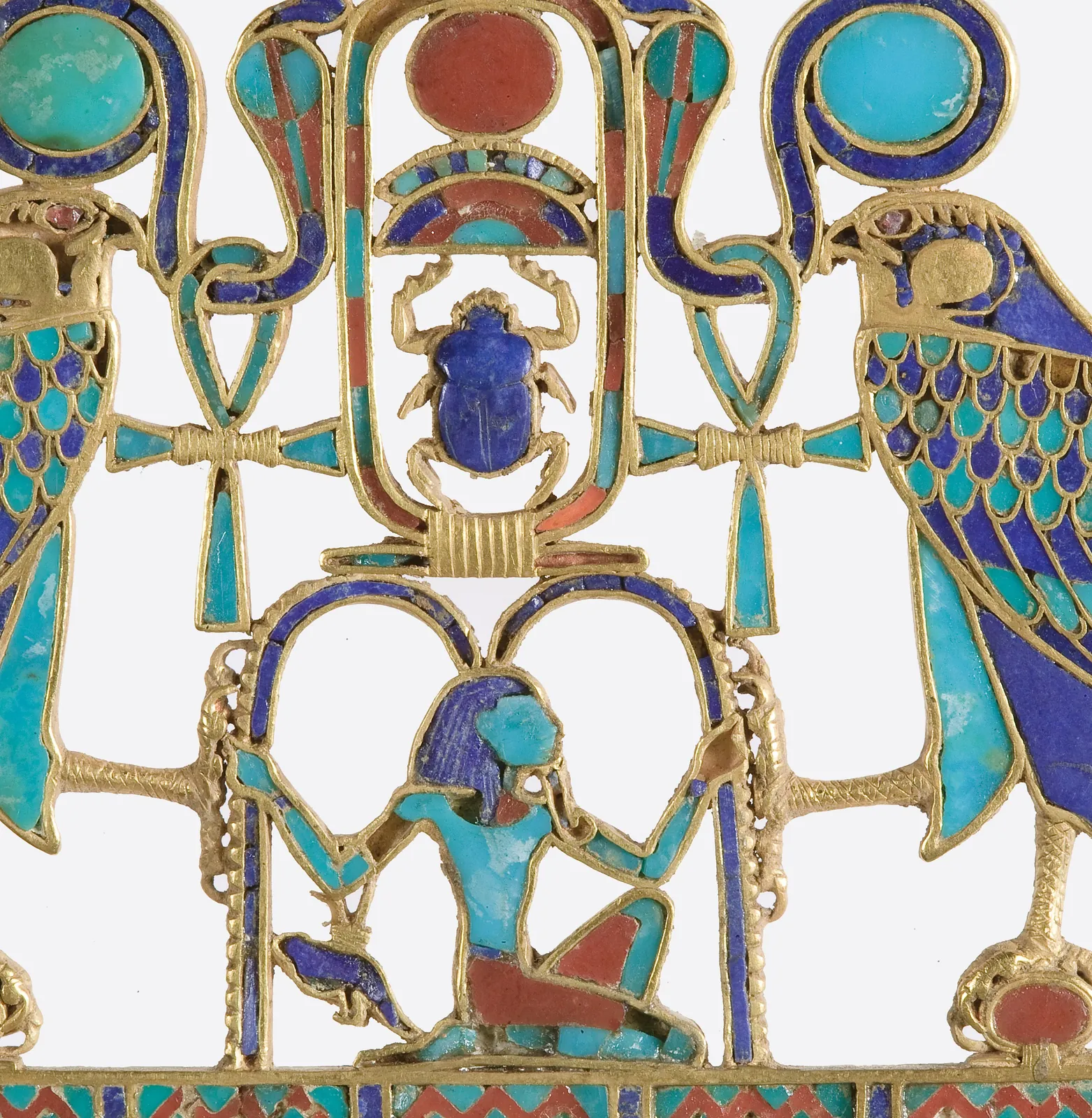
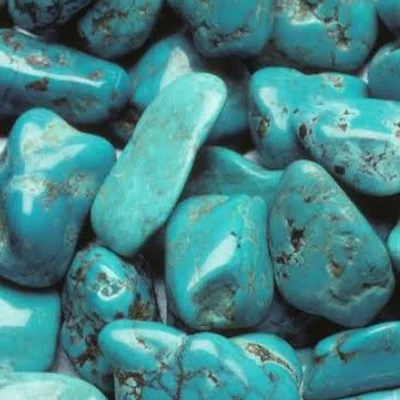
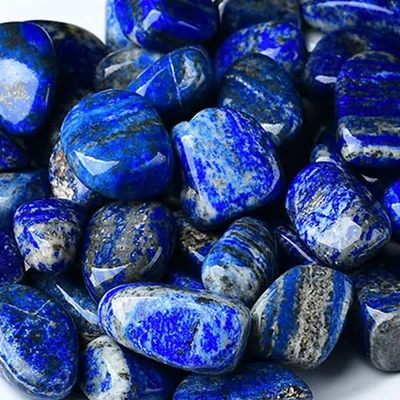
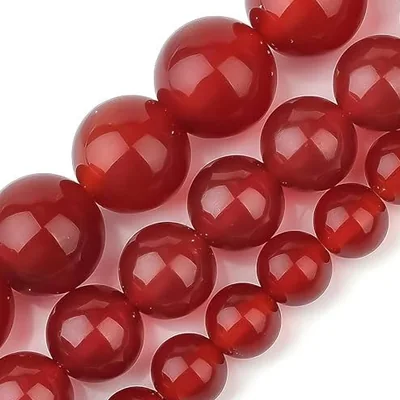
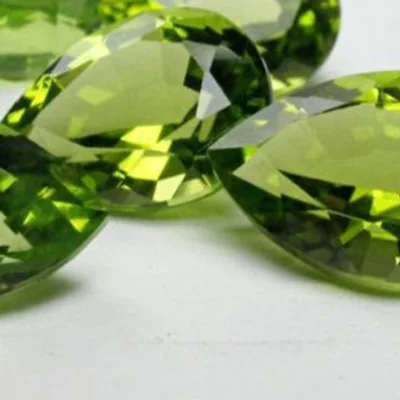
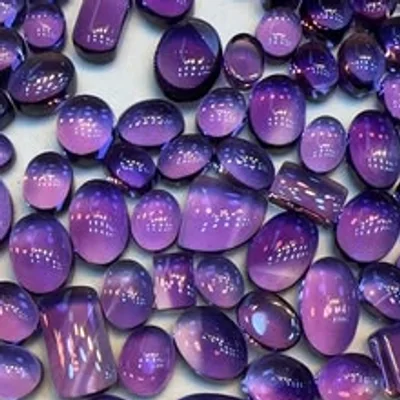
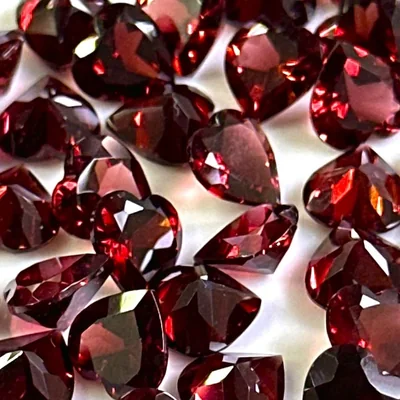
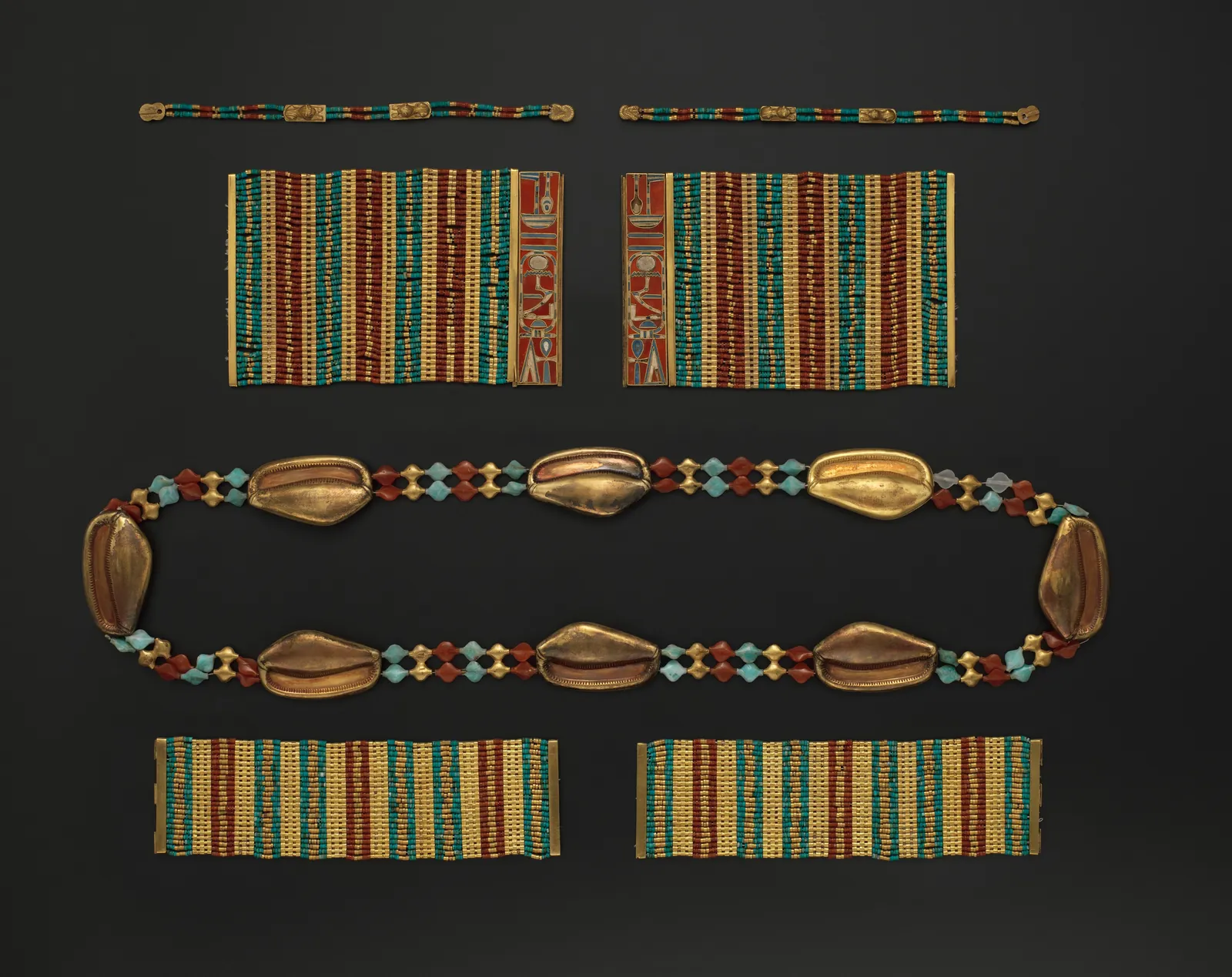
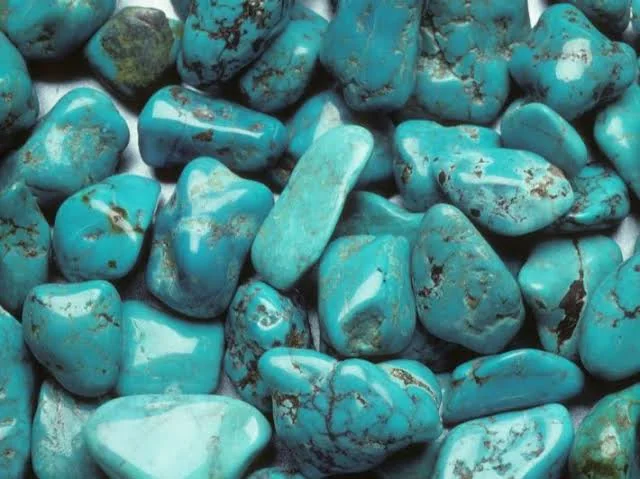
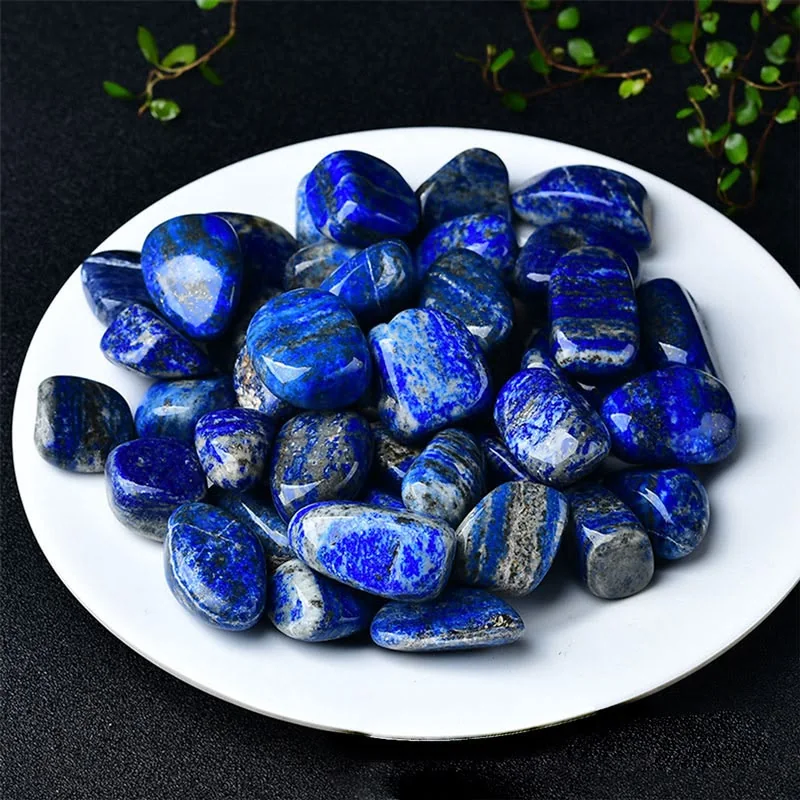
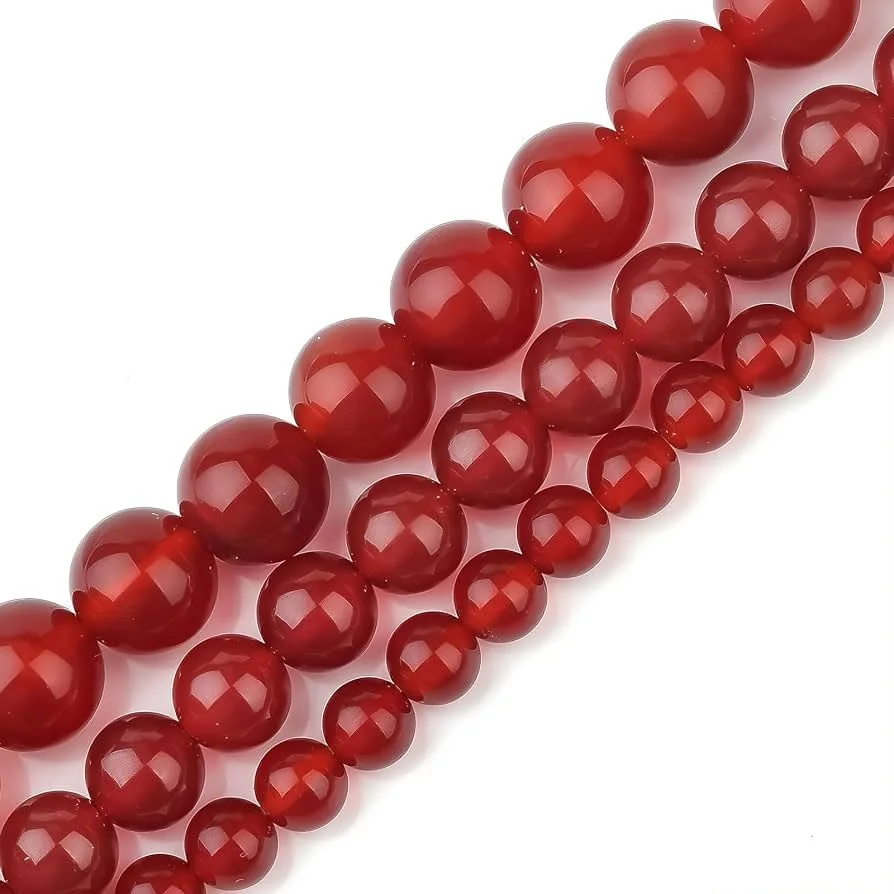
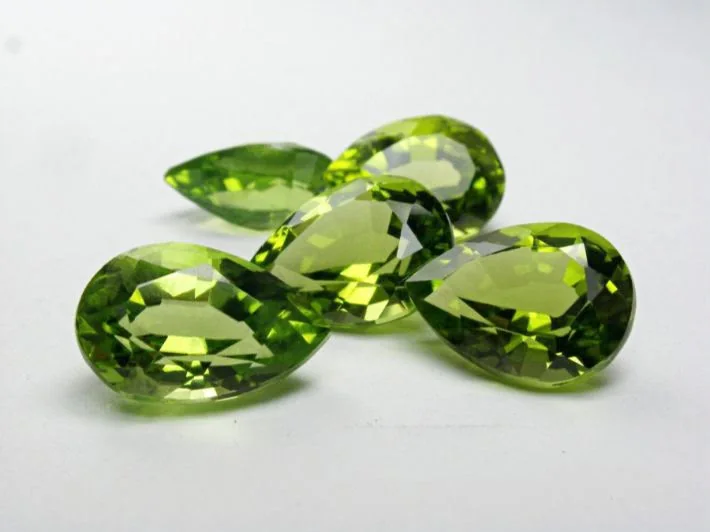
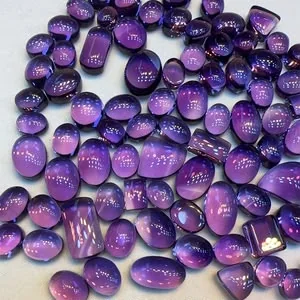
Turquoise from Sinai, peridot from Zabargad island in the Red Sea, amethyst from Wadi el-Hudi near Aswan, and carnelian from the deserts. Lapis lazuli, the deep blue of Tutankhamun's mask, was always imported, from the mountains of Afghanistan.
What makes Egyptian cotton different?
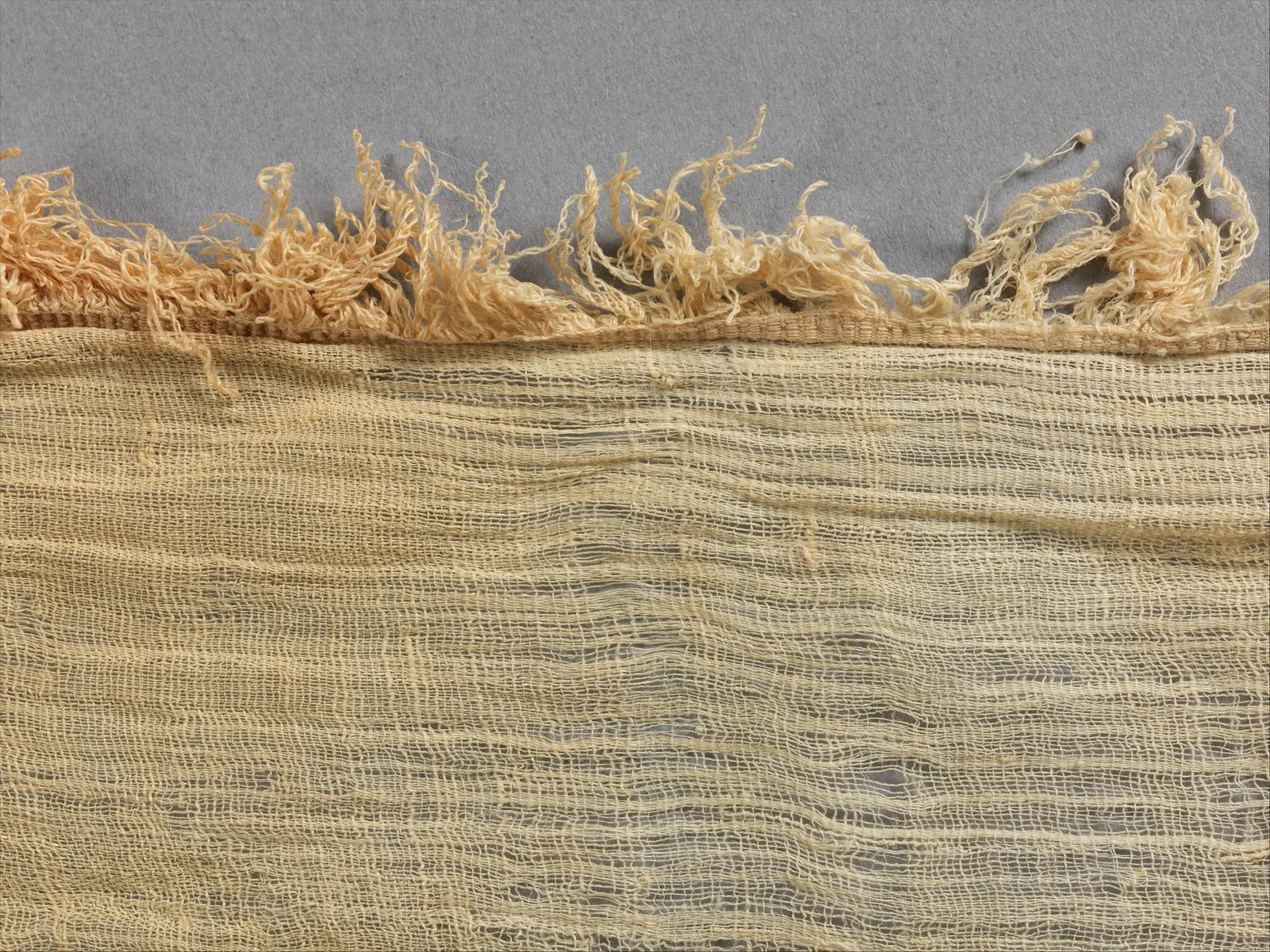
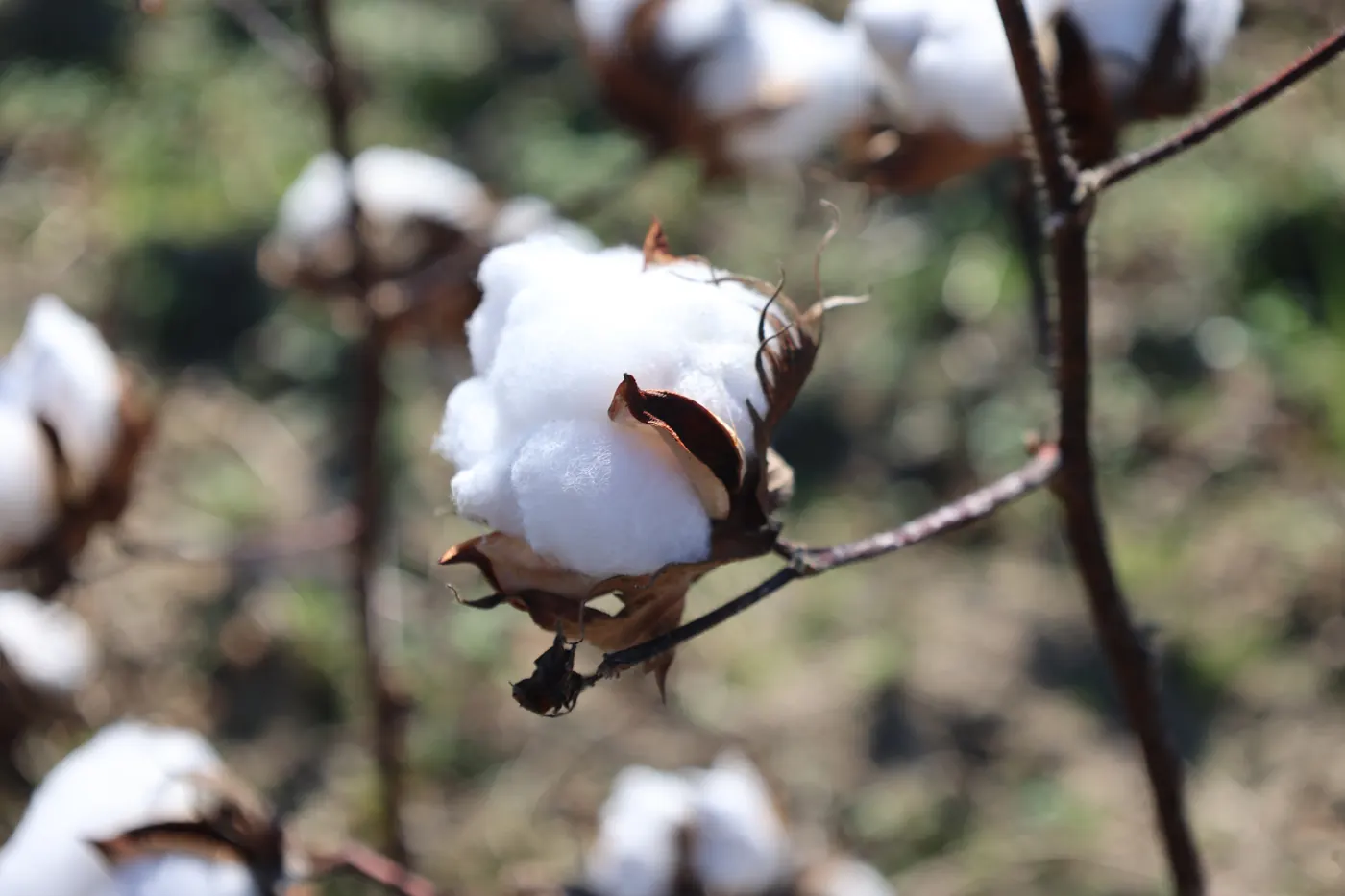
Its staple — the length of each fibre. Egyptian cotton is extra-long staple, so it spins into a finer, stronger and softer yarn, which grows softer with every wash.
Can I buy these during my journey, or have them sent home?
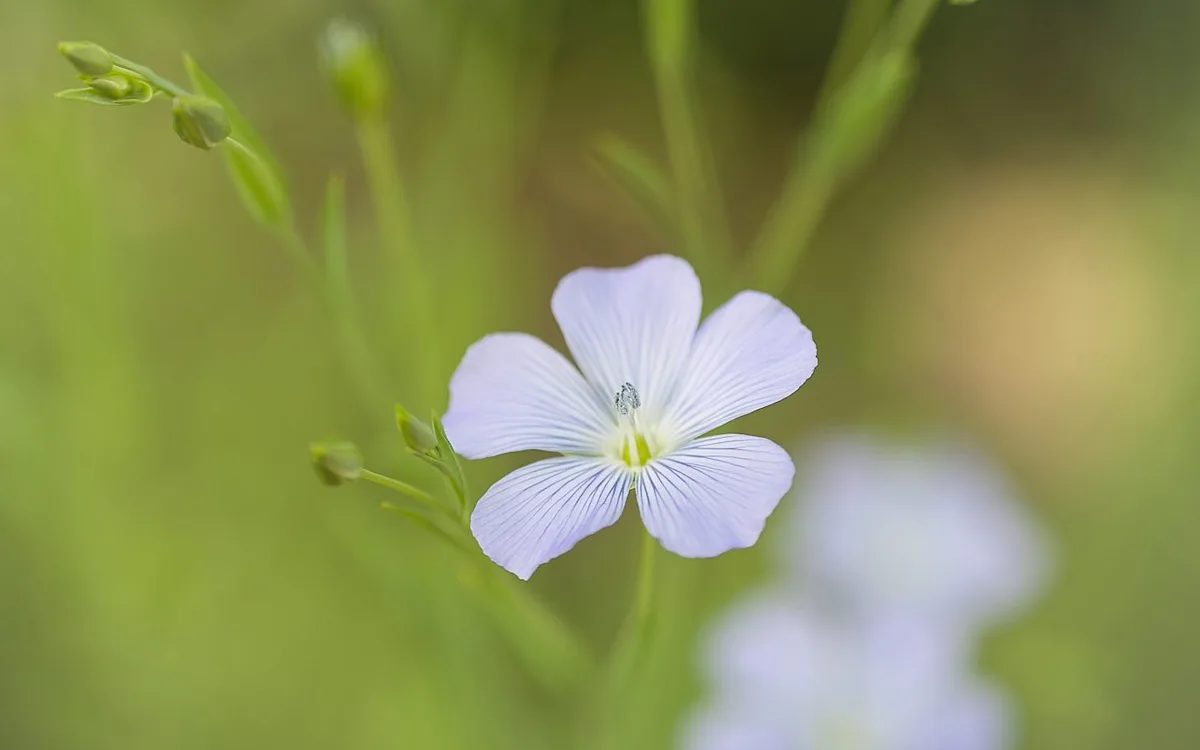
Both. On a journey, your guide or a shopping companion takes you to Cairo's incense and oil sellers, and to stones, cotton and linen. From anywhere, write to us on WhatsApp: we send photographs of the actual pieces and a price, with shipping to your country. Payment by bank transfer, card or PayPal.