Egypt Travel Guide
Everything you need to plan a trip to Egypt — visa requirements, the best time to go, getting around, top destinations, culture and practical essentials.
8 min read · Updated 2026-01
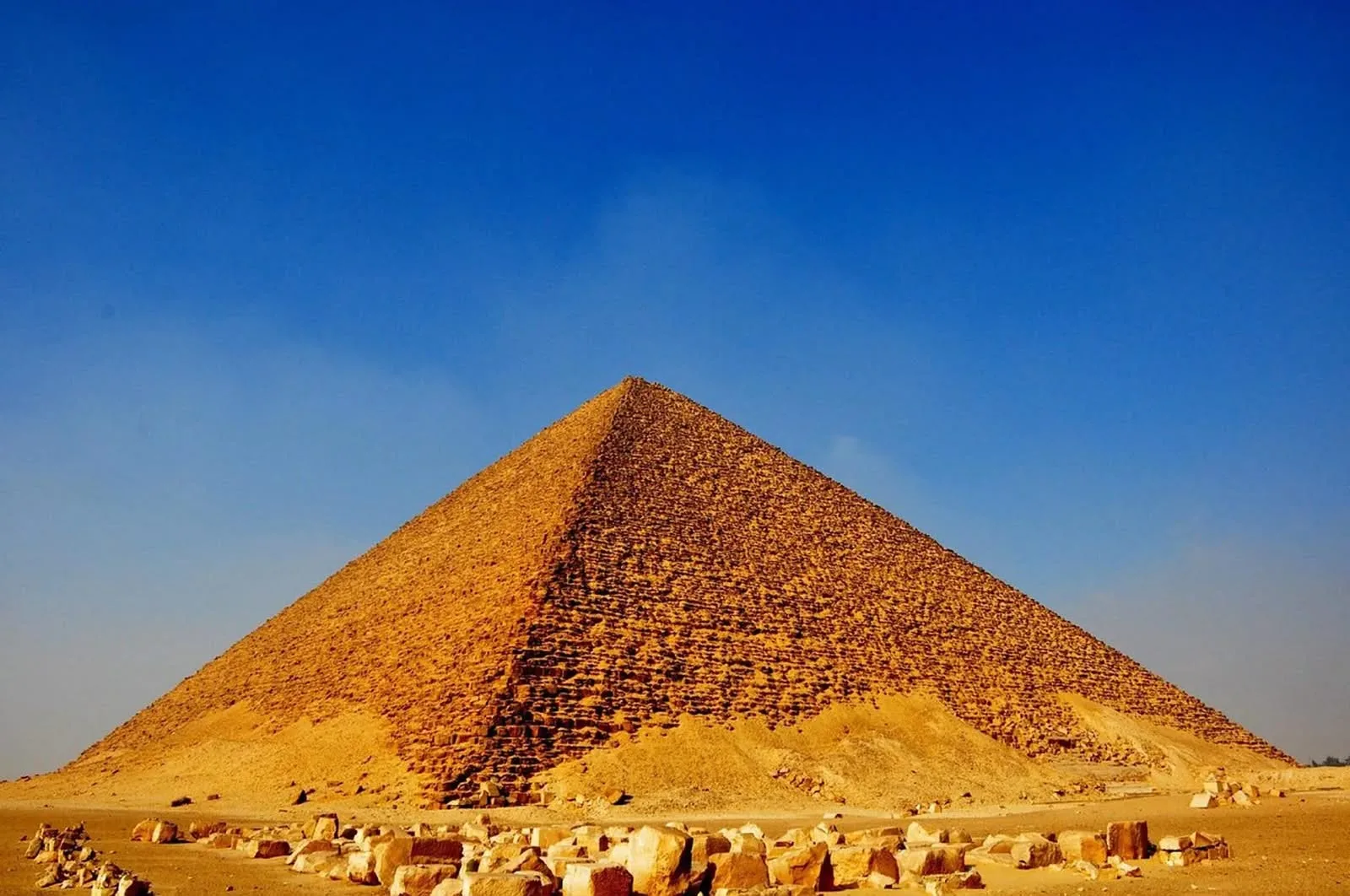
Key takeaways
- Visa on arrival is available for most western nationalities at major airports
- October to April is the ideal window for visiting Nile Valley monuments
- Egypt is a structured, well-developed destination for international tourism
- A private Egyptologist guide dramatically improves access to temples and context
- Cairo, Giza, Luxor and Aswan are the four pillars of most itineraries
Egypt in brief
Egypt occupies the north-east corner of Africa, where the Nile cuts through one of the world's driest landscapes. Its civilisation is the longest continuously documented in the world — four thousand years of pharaohs, Greeks, Romans, Arabs and Ottomans left a record in stone that no other country can match.
Modern Egypt is a stable, middle-income country of 106 million people. Tourism is deeply embedded: the country has been welcoming foreign travellers since the nineteenth century, and the infrastructure — airports, hotels, guides, monuments — reflects that experience. First-time visitors are often surprised by how smooth an Egyptian trip is.
Top destinations
Most itineraries are anchored by four cities. Cairo and Giza sit together at the northern end: Cairo for Islamic architecture, the Egyptian Museum and the Grand Egyptian Museum; Giza for the Pyramids and the Sphinx. Luxor, about ten hours south by train or an hour by air, holds the greatest concentration of ancient monuments anywhere — Karnak, Luxor Temple and the Valley of the Kings. Aswan, further south still, marks the Nile at its most serene and is the gateway to Abu Simbel and living Nubian culture.
Alexandria, on the Mediterranean coast, offers a completely different Egypt — Greco-Roman ruins, the modern Bibliotheca Alexandrina and a relaxed seafront pace that contrasts with the heat of the desert interior.
When to go
October to April is peak season and, for most visitors, the right choice. Daytime temperatures in the Nile Valley are 18–26 °C, cool mornings make early temple visits comfortable and the weather is reliably dry. High summer (June–August) brings extreme heat — 40 °C or above in Luxor and Aswan — which makes outdoor sightseeing genuinely demanding.
The shoulder months of April–May and September–October are increasingly popular: slightly warmer than peak winter but quieter and less expensive. Ramadan (dates shift by 11 days each year) is a fascinating time to visit culturally, but some services and restaurant hours adjust — plan accordingly.
Visa and entry
Most western European, North American and many other nationalities can obtain a tourist visa on arrival at Cairo International, Hurghada or Sharm el-Sheikh airports. The tourist visa allows a 30-day stay, and Egypt's e-Visa lets you apply online before you travel, with processing typically taking 3–7 business days. Fees are set by the Egyptian government and have changed several times since 2025, so check the official portal for the current figure.
Entry via land borders (Sinai crossing from Israel, or the Libyan and Sudanese frontiers) operates under separate rules. Check your government's current travel guidance before travelling overland.
Getting around
EgyptAir and budget carriers connect Cairo to Luxor and Aswan in under an hour, which suits itineraries covering the full Nile Valley in limited time. Egyptian National Railways' Spanish-built Talgo trains run the Cairo–Luxor–Aswan corridor in air-conditioned comfort — the overnight sleeper between Cairo and Luxor is a classic itinerary piece that saves a hotel night. Nile cruises between Luxor and Aswan run in three to seven-night formats and remain one of the most distinctive ways to travel in Egypt.
Within cities, Uber operates in Cairo and is the most predictable option for tourists. Cairo's Metro covers the main north–south axis cheaply and efficiently. Intercity transfers are typically arranged through your tour operator.
Money and payments
Egypt's currency is the Egyptian Pound (EGP). ATMs are widely available in Cairo and tourist centres and give competitive rates. Monument and museum tickets are now paid by card only — cash is no longer taken at the Pyramids, Karnak or the major museums — so carry a Visa or Mastercard. Keep small pound notes for tipping and markets. Most hotels and larger restaurants take international cards; smaller places are cash-only.
Culture and etiquette
Egypt is a Muslim-majority country and modest dress is expected, particularly at mosques, churches and in rural communities. Men and women should cover shoulders and knees at religious sites; women visiting mosques may be asked to cover their hair. Tipping (baksheesh) is a meaningful part of daily life for many Egyptians in service roles — 10–15% at sit-down restaurants is standard, and small tips for site guards who open extra rooms or provide context are customary.
Friday is the main prayer day; some monuments and government buildings adjust their hours. During Ramadan, eating and drinking in public during daylight hours is disrespectful outside designated tourist areas.
Safety
Egypt's major tourist destinations are heavily patrolled and secured. Petty issues around monuments — overpricing, persistent touts, unsolicited 'guides' — are more common than any physical risk. Standard precautions apply: agree prices before rides or services, use licensed guides and keep an eye on bags in crowded markets.
The UK, US, Australian and EU governments all maintain current travel advisories. Most classify the main tourist centres — Cairo, Giza, Luxor, Aswan, Alexandria — as safe for travel. Northern Sinai and western border regions carry higher risk ratings and should be avoided.
Frequently asked questions
Is Egypt safe for tourists?
Yes. The major tourist centres — Cairo, Giza, Luxor, Aswan and Alexandria — are well-policed and safe for international visitors. Standard precautions apply. Check your government's current travel advisory before booking.
Do I need a guide for Egypt?
You don't, but a knowledgeable private Egyptologist guide significantly enriches visits to temples and tombs — the visual record only tells part of the story. Most quality tour operators provide licensed guides who dramatically improve the experience.
How long do I need for Egypt?
A week is the minimum for a meaningful visit: Cairo and Giza in two to three days, Luxor in two days, Aswan in one to two days. Ten to fourteen days allows a Nile cruise, Abu Simbel and Alexandria without rushing.
Related destinations
Places covered in this guide.
Cairo
Egypt's capital on the Nile — medieval Islamic and Coptic quarters, the Egyptian Museum, and the gateway to Giza.
Explore →Giza
Home of the Great Pyramid and the Sphinx, on the desert plateau across the Nile from Cairo.
Explore →Luxor
The open-air museum of ancient Thebes — Karnak, Luxor Temple and the royal tombs of the Valley of the Kings.
Explore →Aswan
Egypt's tranquil southern city on the Nile — Nubian culture, the High Dam and the island temple of Philae.
Explore →Alexandria
Egypt's Mediterranean port founded by Alexander the Great — Greco-Roman ruins and the reborn Library.
Explore →Related experiences
Private activities at the destinations covered in this guide.
Sunrise at the Giza Pyramids
Watch the first light of dawn break over the Great Pyramid in an exclusive early-access session before the plateau opens to day visitors — led by a licensed Egyptologist.
Private Felucca Sailing on the Nile
Charter an entire traditional felucca and drift down the Nile past ancient temples, granite boulders and palm-lined riverbanks — at the same unhurried pace Egyptians have sailed for millennia.
Old Cairo Walking Experience
Walk the medieval lanes of Islamic Cairo and the Coptic quarter with a historian guide who reads the city's 1,400-year layered fabric — from Roman fortifications to Ottoman merchant palaces.
Book a travel consultation
A short conversation can save weeks of research. Speak to our team about destinations, timing, budgets and what to expect.