Giza
Home of the Great Pyramid and the Sphinx, on the desert plateau across the Nile from Cairo.
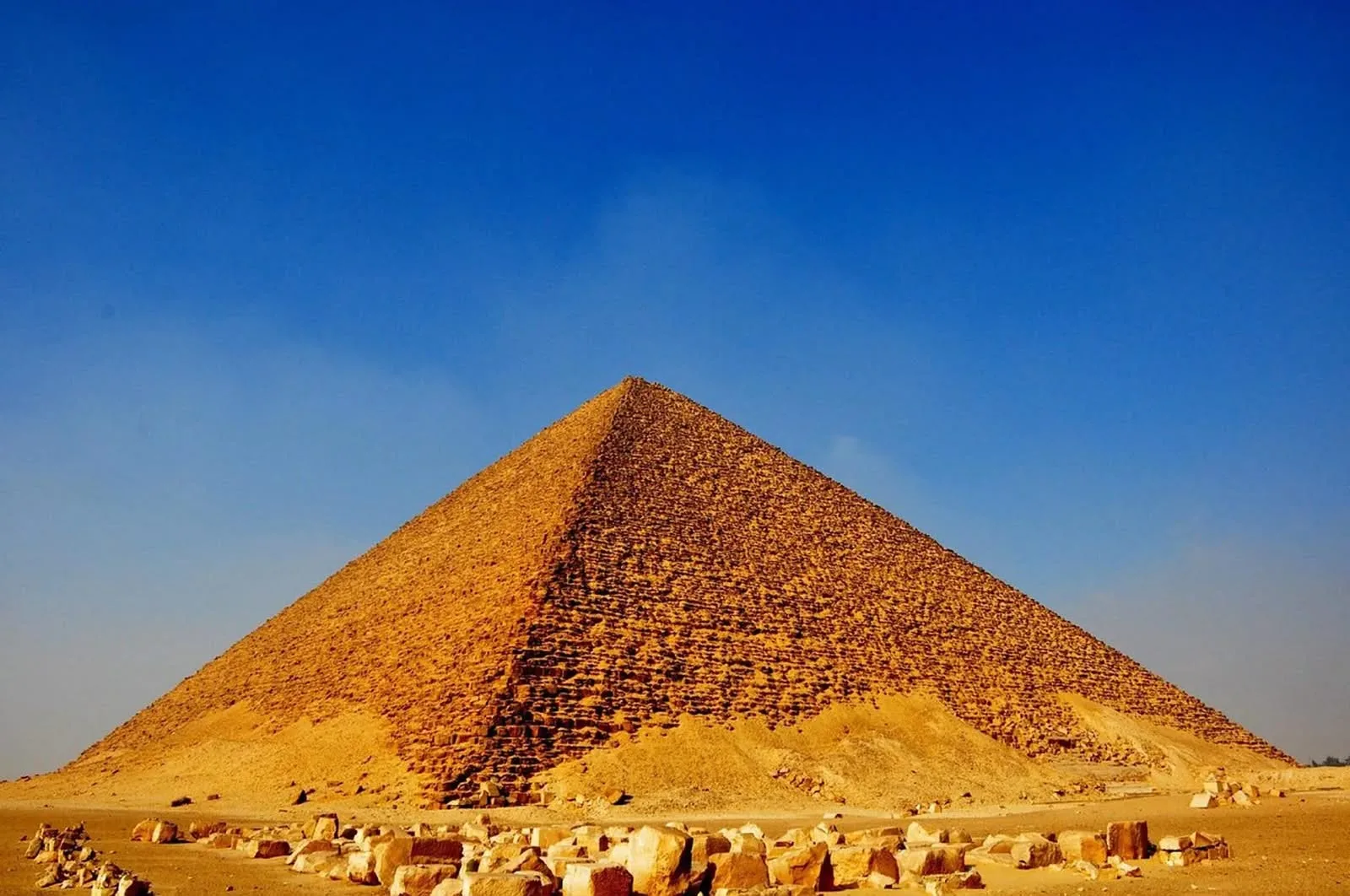
Overview
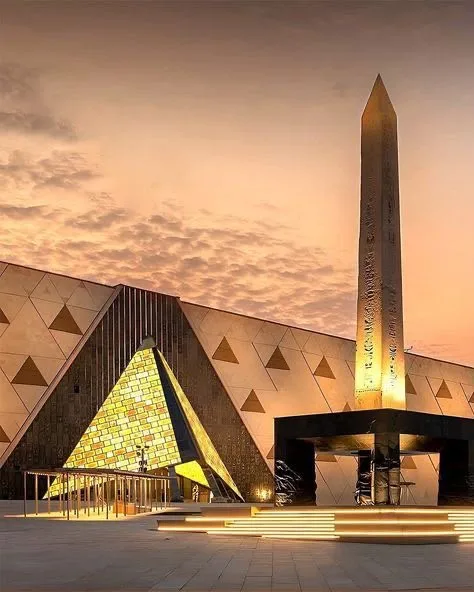
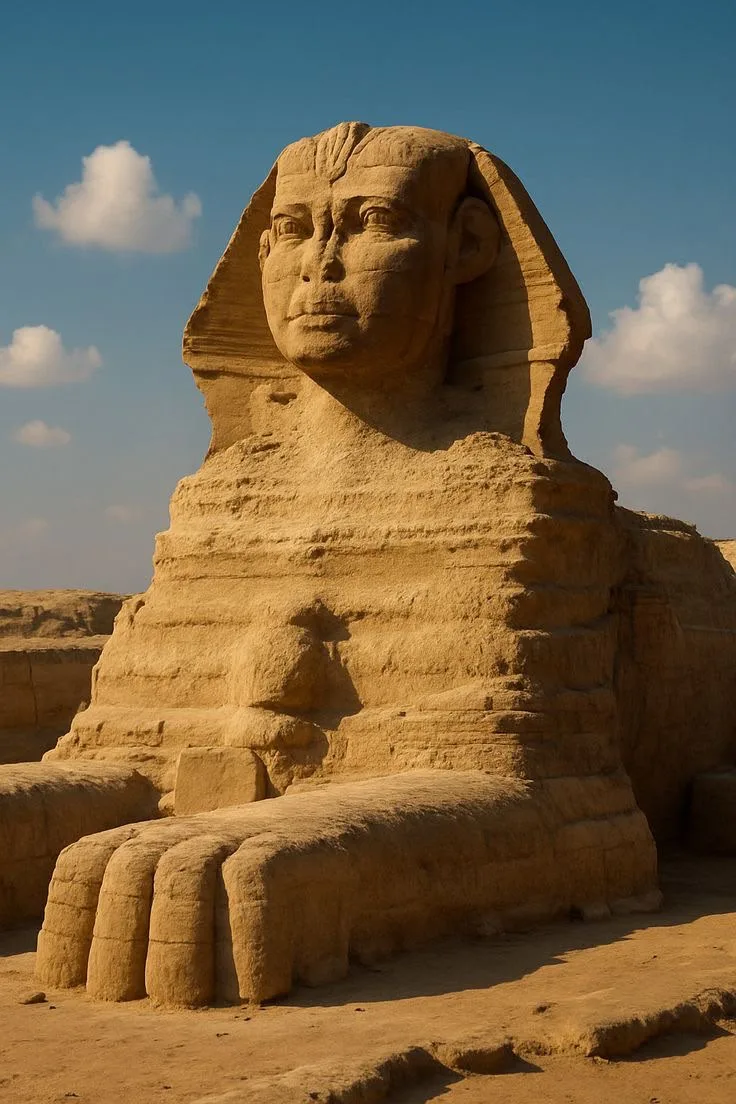
The Giza plateau rises from the edge of greater Cairo on the west bank of the Nile, a limestone escarpment where the Sahara begins. The three pyramids built here during Egypt's Fourth Dynasty — for the pharaohs Khufu (c. 2560 BCE), his son Khafre, and grandson Menkaure — are the only surviving wonder of the ancient world. Khufu's Great Pyramid stood as the tallest structure on earth for nearly four thousand years, built from an estimated 2.3 million stone blocks averaging 2.5 tonnes each. Khafre's pyramid retains a band of the original polished limestone casing at its apex; the Great Sphinx, 73 metres long and 20 metres tall, was carved from the plateau's living bedrock and guards the approach to Khafre's Valley Temple — a mortuary complex of red Aswan granite and alabaster that remains one of the finest examples of Old Kingdom stonework in existence. The Grand Egyptian Museum, officially opened in November 2025, was built specifically on the plateau's edge to display the antiquities of Giza and to give Tutankhamun's complete treasure — over 5,000 objects — a permanent, purpose-designed home beside the monuments that inspired them.
Historical importance. Site of the last surviving ancient wonder of the world, built during the Old Kingdom's Fourth Dynasty — the most technically ambitious construction programme in human history. The plateau remained an active ceremonial site, and later a quarry, for over two thousand years after the pyramids were completed.
Cultural importance. The enduring global emblem of ancient Egypt and the image most associated with human civilisation itself. The Grand Egyptian Museum now anchors a new chapter in how the world encounters the pharaonic heritage — the largest archaeological museum ever built, on the same ground as the monuments.
Why visit
- The only surviving wonder of the ancient world — the Great Pyramid has stood for 4,500 years
- The Great Sphinx and the Old Kingdom valley temples — the finest Fourth-Dynasty stonework
- The Grand Egyptian Museum, purpose-built beside the pyramids to hold their treasures
- Sunrise at the plateau before the crowds arrive — one of Egypt's defining travel moments
Highlights
- The Great Pyramid of Khufu — the only surviving ancient wonder of the world
- The pyramids of Khafre (with original limestone casing at the apex) and Menkaure
- The Great Sphinx and Khafre's Valley Temple — Old Kingdom granite and alabaster
- The panoramic desert viewpoint where all three pyramids align
- The Grand Egyptian Museum — the complete Tutankhamun treasure and royal statuary
Things to know
- Interior pyramid tickets are sold daily at the plateau on a first-come basis and numbers are strictly limited — arrive early or ask your operator to plan accordingly.
- Bring water, sun protection and closed-toe shoes; the plateau is open desert with sandy, uneven terrain.
- Agree any camel or horse ride and its price before mounting — riders are independent vendors, not part of the official site.
- The Grand Egyptian Museum requires a separate ticket and is a full half-day in its own right; plan for a full day if combining both.
- Photography is unrestricted on the exterior plateau; interior photography policies vary by pyramid — your guide will advise.
Photography
- All three pyramids aligned from the panorama point at sunrise
- The Sphinx at first light, before the day-visitors arrive
- Camel silhouettes on the plateau ridge at golden hour
Season overview
Travel essentials
Good to know
Can you go inside the Great Pyramid?
Yes, as an optional extra. A limited number of interior tickets are sold each day at the plateau for entry into the Great Pyramid's ascending passages and the King's Chamber. The daily supply is fixed and sells out — arrive early, or ask your tour operator to plan for this. The Red Pyramid at nearby Dahshur is also open for interior visits and is often less crowded.
How long should I spend at Giza?
A minimum of three to four hours covers the main plateau — the three pyramids, the panoramic viewpoint and the Sphinx. Adding the Grand Egyptian Museum brings the total to a full day. A half-day visit to the plateau alone is practical if time is limited, and it pairs naturally with a separate afternoon at the GEM.
What is the best time of day to visit the Giza Pyramids?
Early morning, immediately after the plateau opens (typically 7 or 8 am depending on the season). The light is flattering for photography, temperatures are manageable, and the first two hours see far fewer visitors than midday. Private early-access experiences before public opening are available through specialist operators.
What is the Grand Egyptian Museum?
The Grand Egyptian Museum (GEM) is the world's largest archaeological museum, built on the Giza plateau adjacent to the pyramids. Its permanent collection includes the complete Tutankhamun treasure — over 5,000 objects displayed together for the first time — and a grand staircase lined with pharaonic statuary. It is a separate building from the historic Egyptian Museum on Tahrir Square in central Cairo.
Giza in photographs
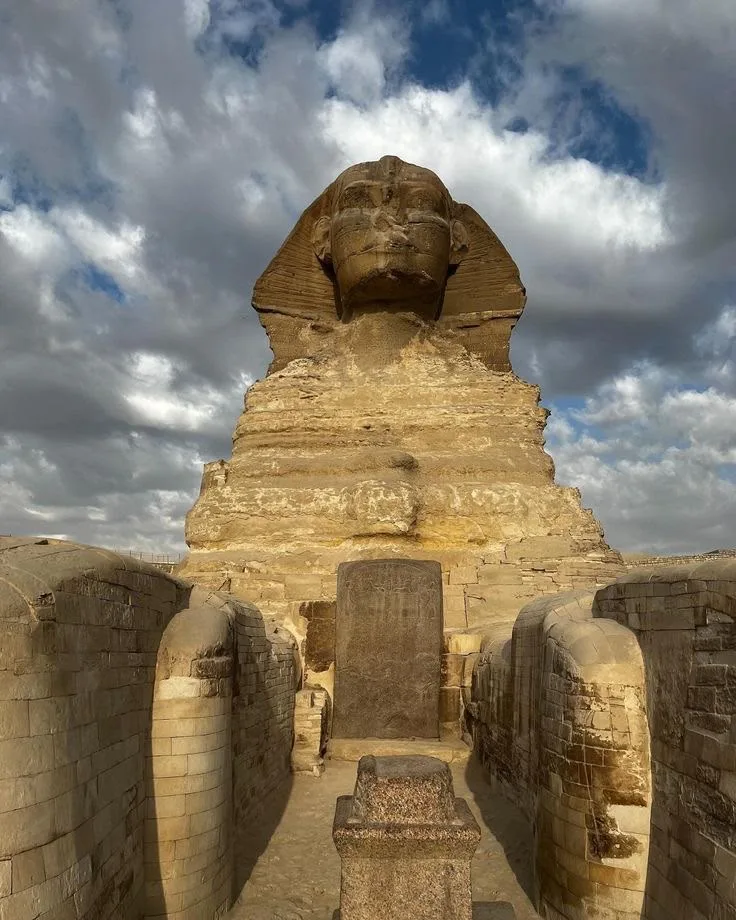
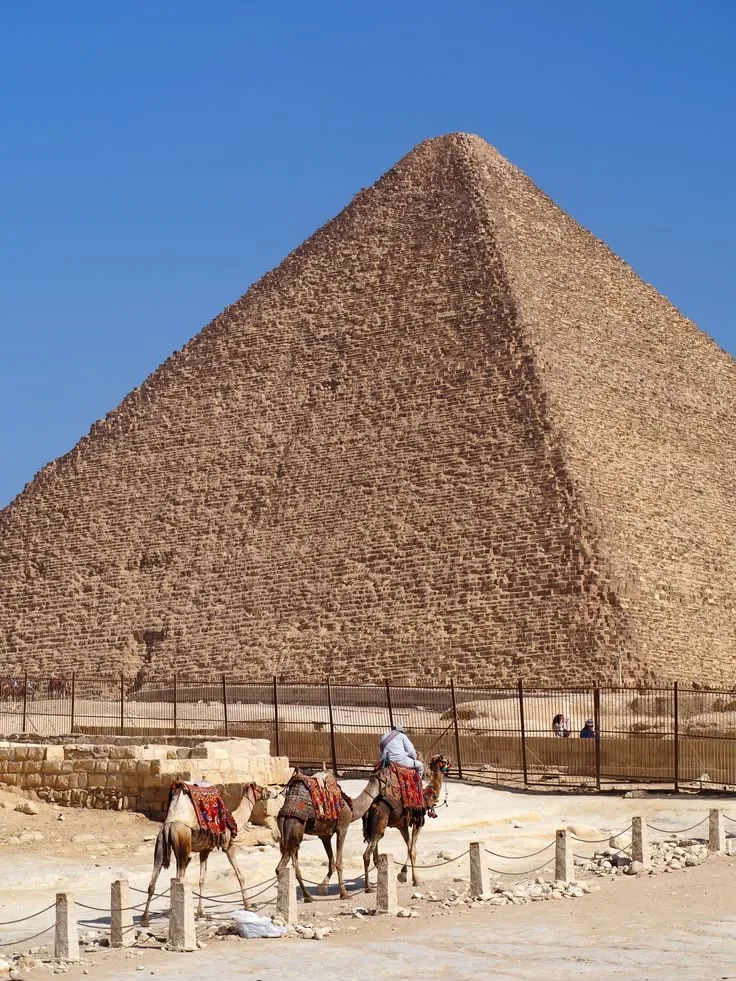
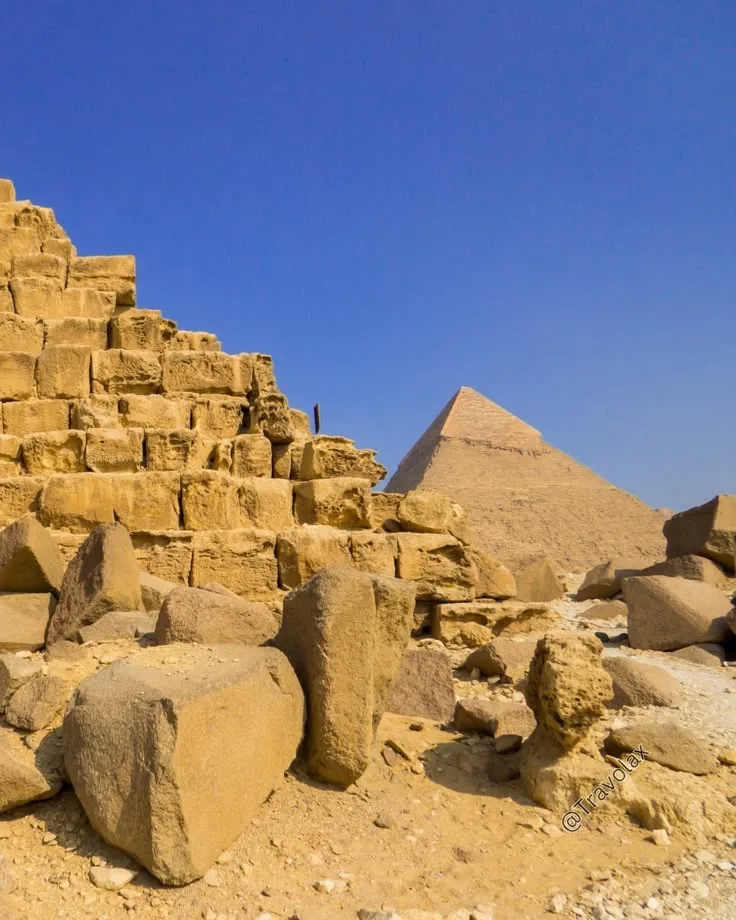
Featured tours
Private journeys that visit Giza.
Egypt Icons & Nile Cruise
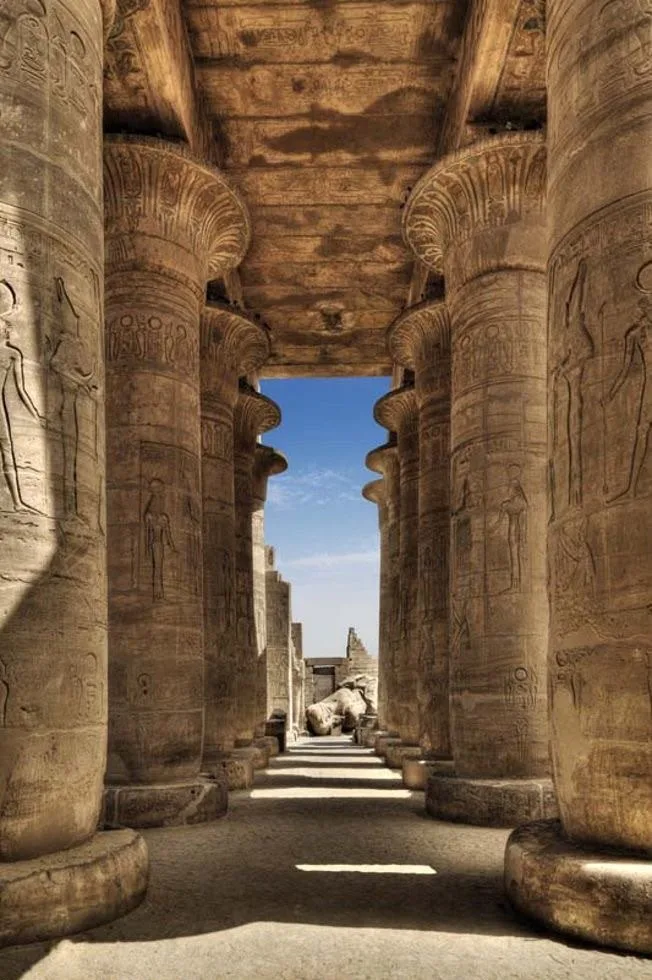
Our most complete journey: Cairo, Alexandria, a sleeper train south, and a three-night Nile cruise from Aswan to Luxor — every layer of Egypt in one arc.
Egypt Highlights Deluxe
The headline acts of Egypt in seven days — the Egyptian Museum, Alexandria, the temples and tombs of Luxor, and the Pyramids of Giza.
From Pyramids to the Sea
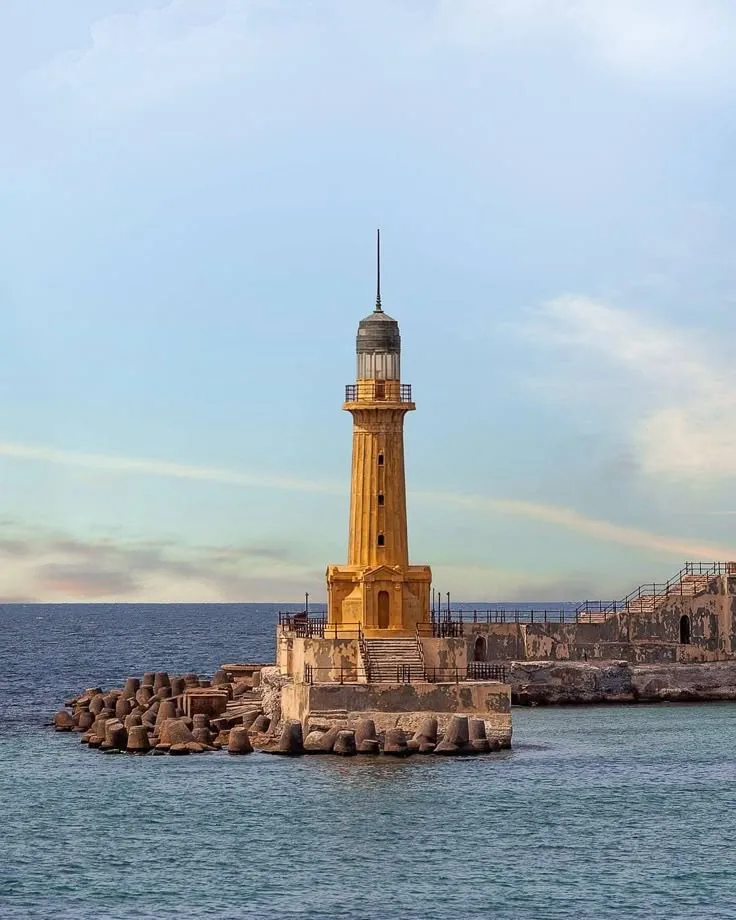
A compact northern journey — the Egyptian Museum, Alexandria's Greco-Roman layers, the Pyramids of Giza and medieval Cairo.
Giza & the Grand Museum
The Great Pyramid, the panorama of all three pyramids, the Valley Temple and Sphinx, then the vast new Grand Egyptian Museum beside them.
Giza Pyramids & Sphinx
The Great Pyramid, the pyramids of Khafre and Menkaure, the panoramic viewpoint and the Valley Temple with the Great Sphinx — Giza in a morning.
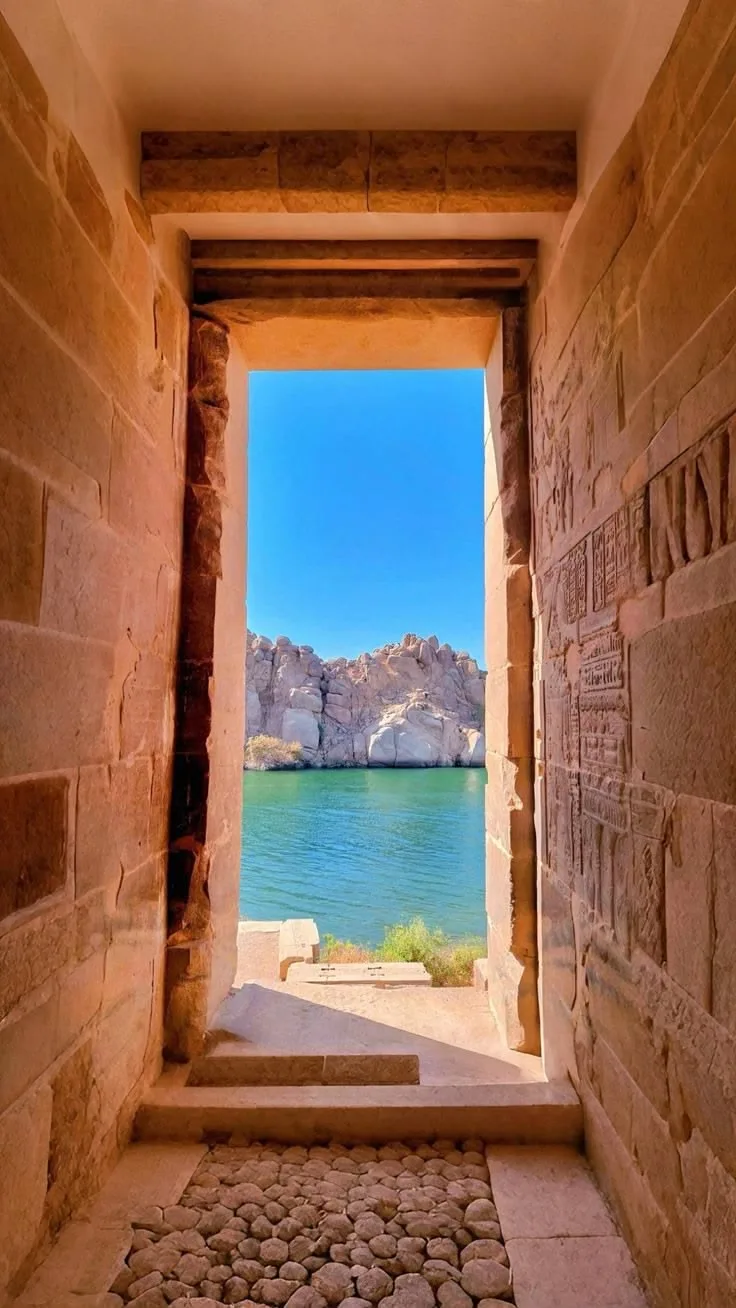
Honeymoon on the Nile
Egypt as a honeymoon should be — private sunrise at the pyramids, a felucca at golden hour, three nights on the Nile and suites chosen for the view.
Featured experiences
Activities and private experiences based in Giza.
Sunrise at the Giza Pyramids
Watch the first light of dawn break over the Great Pyramid in an exclusive early-access session before the plateau opens to day visitors — led by a licensed Egyptologist.
Grand Egyptian Museum Private Tour
The largest archaeological museum ever built, walked privately with an Egyptologist — Tutankhamun's complete treasure, the grand staircase and the solar boat.
Pyramids Sound & Light, Privately
The Giza plateau after dark — the Sphinx narrating five thousand years as light plays across the pyramids, with private terrace seating and transfers.
Need help planning?
Tell us your travel dates, group size and what matters most to you. We design every itinerary from scratch — no templates.