Honeymoons in Egypt
Two people, five thousand years, and nobody else's schedule.
Overview
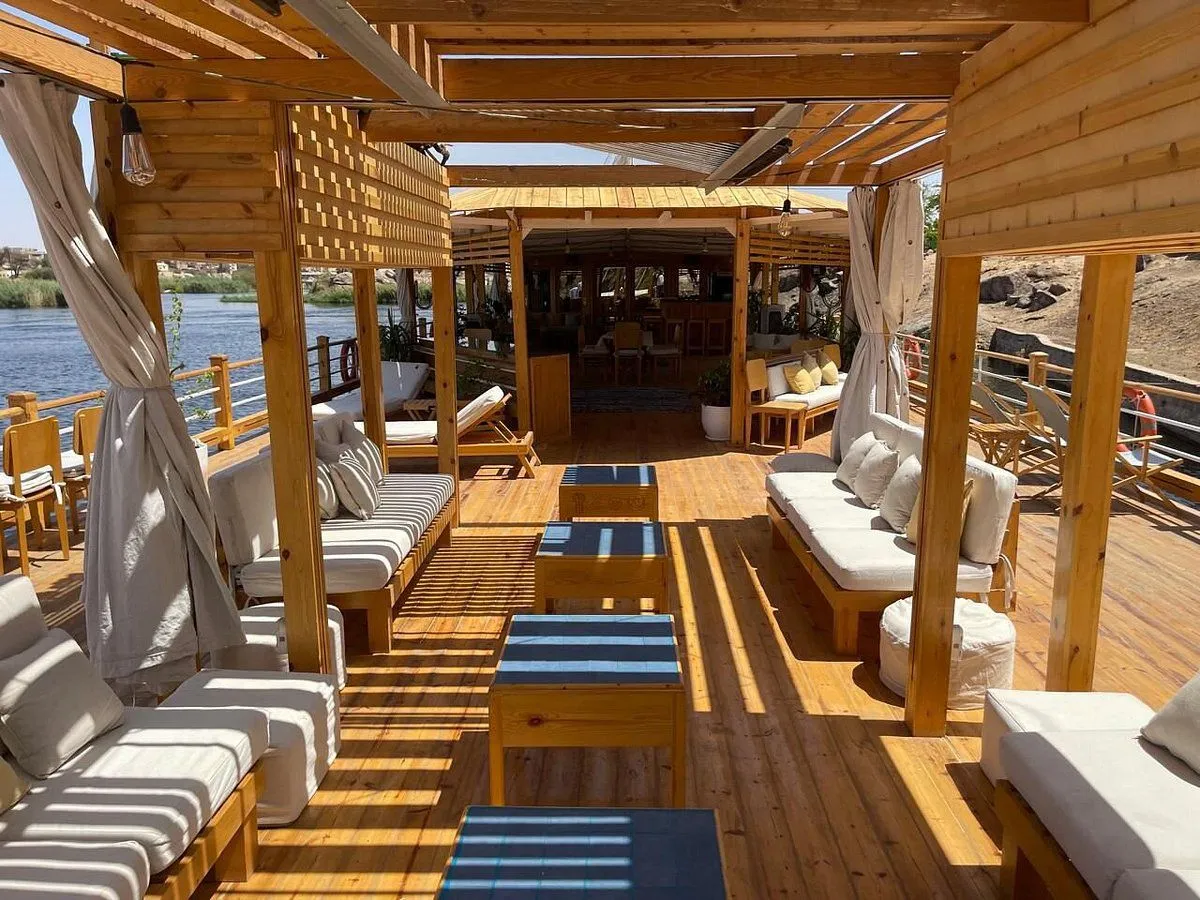
The lotus, entwined in pairs, was the ancient Egyptian symbol of union — which is a neat coincidence for a country that turns out to be one of the great honeymoon destinations. The appeal is not romance-by-numbers; it is that everything worth doing here can be made private. A dahabiya, the small sailing vessel that predates the cruise fleet, carries a handful of cabins and moors at islands the large boats cannot reach. The Giza plateau can be entered at opening, before the coaches. A felucca at Aswan at golden hour costs almost nothing and is the thing couples remember. Then, because Egypt is generous this way, you fly ninety minutes east and finish on a reef. It is a honeymoon with a spine of substance — you will have seen something extraordinary together, not only rested.
Highlights
- A private dahabiya under sail — a handful of cabins, moorings the big vessels cannot reach
- Sunrise on the Giza plateau at opening, before the day's crowds arrive
- A felucca at Aswan at golden hour, and a Nubian terrace above the cataract at sunset
- Hot-air balloon over the Theban West Bank at dawn — the most photographed hour of any Egyptian honeymoon
- A Red Sea finish: three or four nights where the only obligation is the water
Planning notes
- October to April is the comfortable window; December and January are peak and need six months' notice
- Dahabiyas have very few cabins and are booked far in advance — if that is the centrepiece, book it first and build around its sailing days
- Tell us it is a honeymoon when you enquire: room categories, private moorings, a table set apart and dawn access all need arranging in advance, not on arrival
- Nine to twelve nights is the natural length for Cairo, the Nile and the Red Sea without compressing any of it
- Egypt is conservative in public: affection is best kept low-key outside hotels and private vessels, which is easily managed and never a problem
Travel tips
- The balloon over Luxor takes off before sunrise — an early night beforehand pays for itself
- Ask for the West Bank on your own in the first hour of opening; it is a different place before nine
- Bring one properly good outfit: a dinner on a dahabiya deck or a Cairo rooftop deserves it
- Book the felucca for the hour before sunset, not after — the light on the granite at Aswan is the point
Frequently asked questions
Is Egypt a good honeymoon destination?
Unusually good, for a specific reason: almost everything here can be made genuinely private. A dahabiya under sail, dawn access at Giza, a felucca at golden hour and a private reef boat are all straightforward to arrange, so a honeymoon is not spent moving with a group. You get the substance of one of the world's great destinations plus the seclusion a honeymoon needs — and the Red Sea provides the rest at the end.
When is the best time for an Egypt honeymoon?
October to April, when the Nile Valley sits at a comfortable 20–28 °C. December and January are the peak of that window — beautiful, but booked months ahead and carrying holiday supplements. Late October to early December and February to April give you the same weather with more availability and calmer sites.
How many days do you need for a honeymoon in Egypt?
Nine to twelve nights is the natural length: three in Cairo and Giza, four or five on the Nile between Luxor and Aswan, and three or four on the Red Sea. Shorter is possible — a week covers Cairo and the Nile well — but the coastal ending is what turns a tour into a honeymoon, and it needs its own days.
What is a dahabiya, and is it worth it?
A dahabiya is a small twin-sailed Nile vessel — the type that carried travellers before the modern cruise fleet — typically with fewer than a dozen cabins. It sails rather than motors, moors at islands and villages the large boats pass, and the pace is entirely different. For a honeymoon it is usually the single best upgrade on the itinerary, and because there are so few cabins it is the first thing to book.
Are there privacy or dress considerations for couples in Egypt?
Egypt is socially conservative in public, so overt affection is best kept low-key in streets, markets and religious sites, and modest dress is expected at mosques and churches. Inside hotels, on private vessels and at Red Sea resorts, normal resort behaviour is entirely usual. In practice this is a small courtesy rather than a constraint, and a private itinerary means most of your time is your own anyway.
Featured tours
Private tours included in the Honeymoons in Egypt collection.
Honeymoon on the Nile
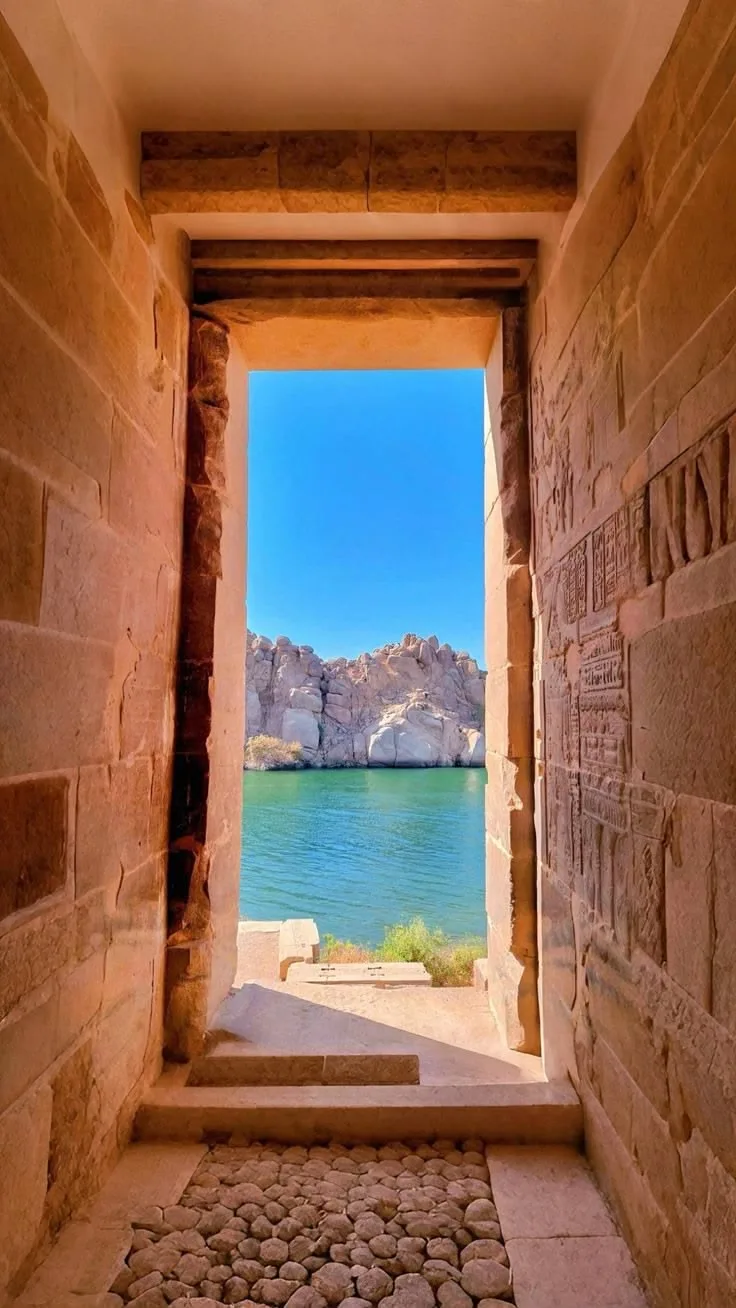
Egypt as a honeymoon should be — private sunrise at the pyramids, a felucca at golden hour, three nights on the Nile and suites chosen for the view.
Nile in Style: Aswan to Luxor
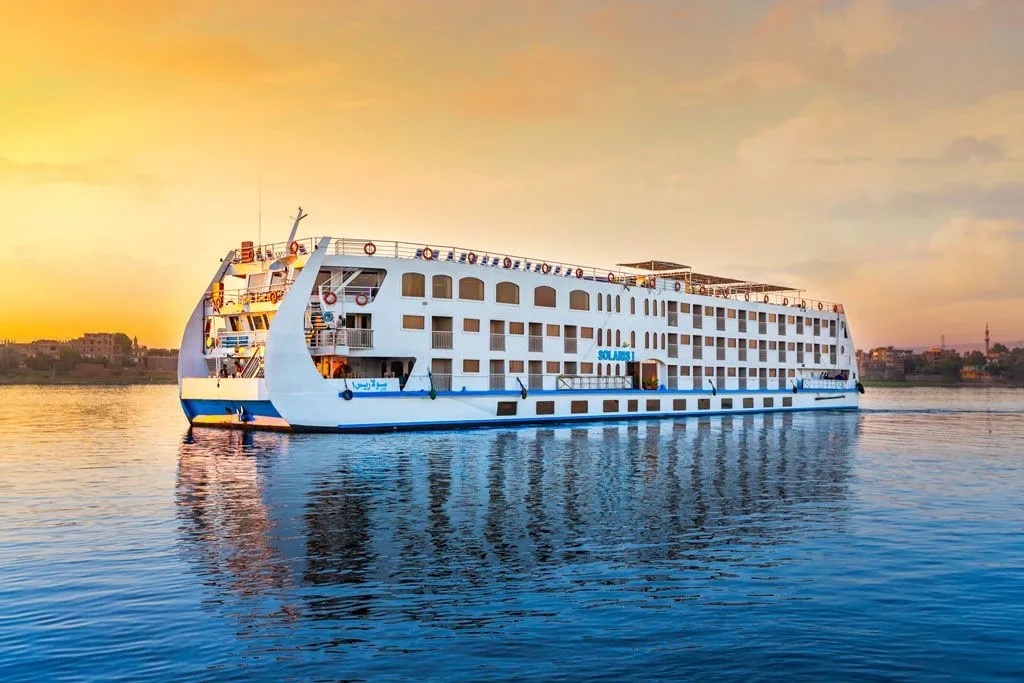
The essential Nile cruise, done properly — Philae and the High Dam, three nights afloat past Kom Ombo and Edfu, and Luxor's East and West Banks with your own Egyptologist.
The Grand Tour of Egypt
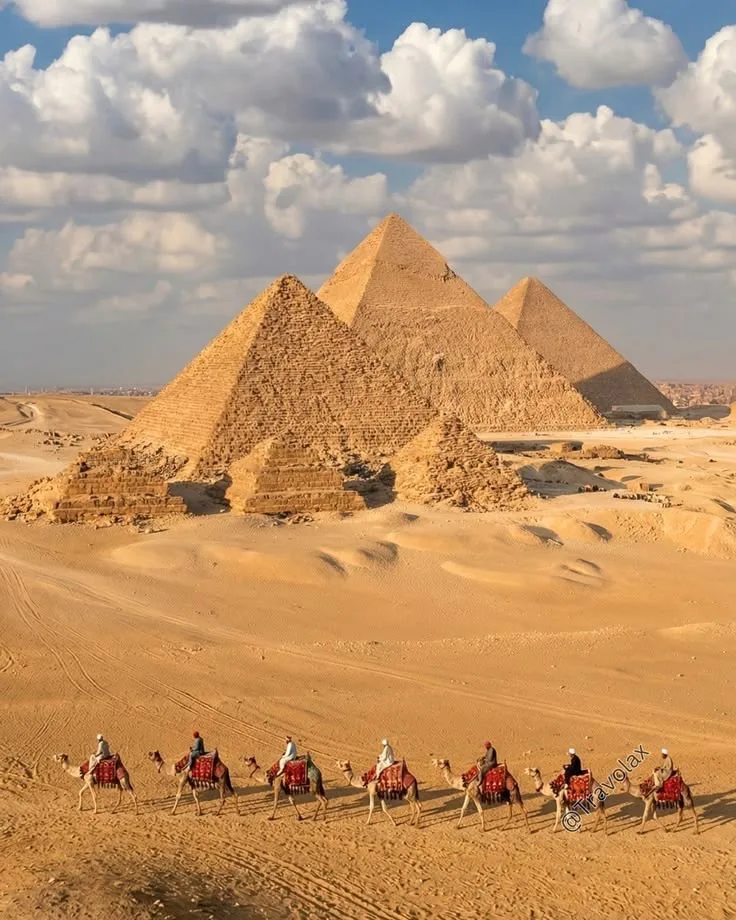
Our most complete journey: two capitals, a Nile cruise, Ramesses II's mountain temple at Abu Simbel, and four Red Sea days to absorb it all.
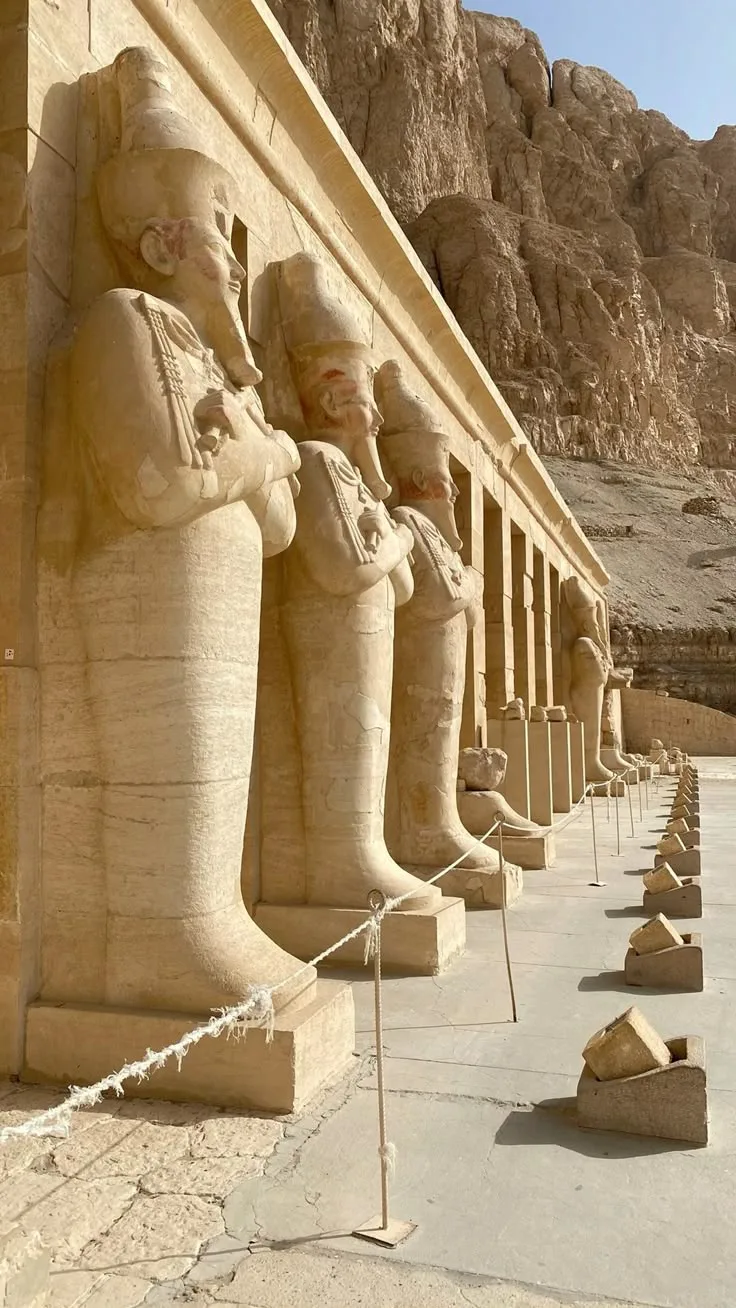
Luxor Immersion
Luxor without the sprint: Karnak at opening, the Valley of the Kings before the heat, Hatshepsut's terraces and the Avenue of Sphinxes after dark.
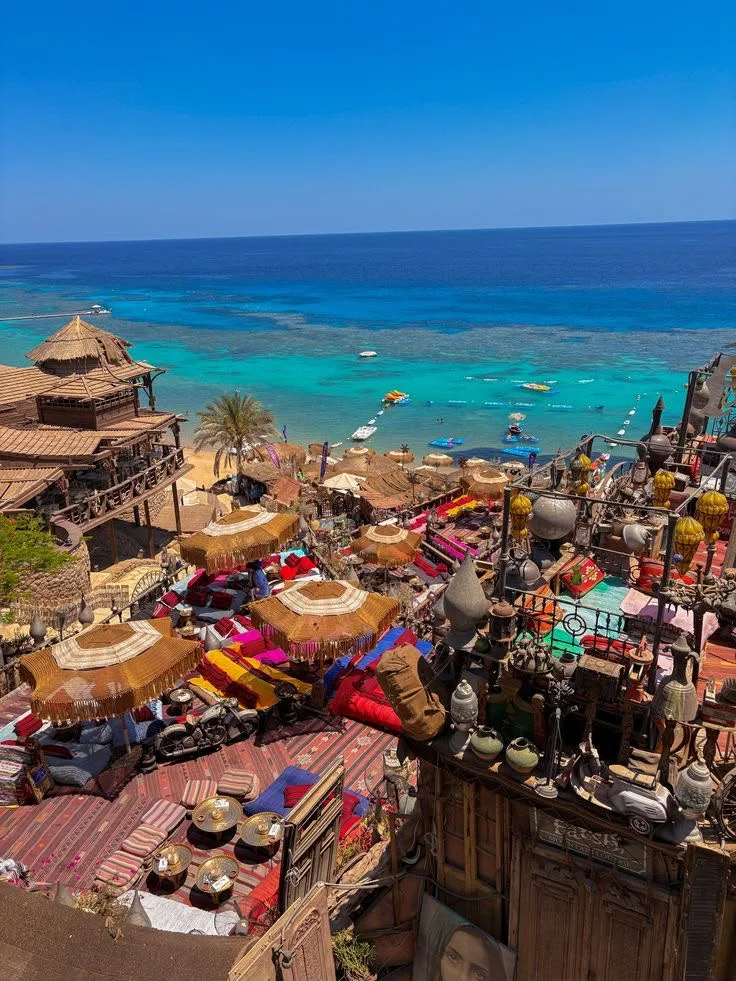
Red Sea Retreat: Sharm El Sheikh
The Red Sea done with intent — a private reef-boat day in Ras Mohammed, a Sinai desert evening under the stars, and space left deliberately empty.
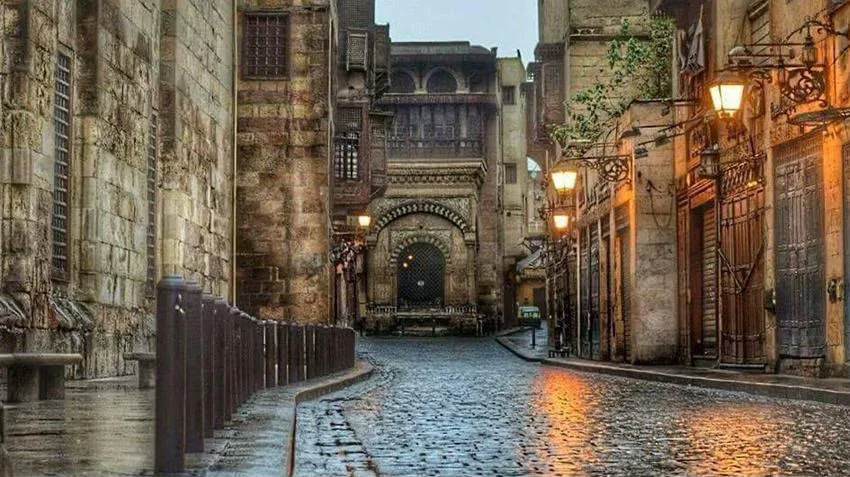
Cairo VIP Short Stay
The essential Cairo, concierge-run: fast-track immigration, private plateau morning, the Grand Egyptian Museum, and lantern-lit Islamic Cairo by night.
Featured destinations
Aswan
Egypt's tranquil southern city on the Nile — Nubian culture, the High Dam and the island temple of Philae.
Explore →Luxor
The open-air museum of ancient Thebes — Karnak, Luxor Temple and the royal tombs of the Valley of the Kings.
Explore →Giza
Home of the Great Pyramid and the Sphinx, on the desert plateau across the Nile from Cairo.
Explore →Cairo
Egypt's capital on the Nile — medieval Islamic and Coptic quarters, the Egyptian Museum, and the gateway to Giza.
Explore →Featured experiences
Private Felucca Sailing on the Nile
Charter an entire traditional felucca and drift down the Nile past ancient temples, granite boulders and palm-lined riverbanks — at the same unhurried pace Egyptians have sailed for millennia.
Hot-Air Balloon over Luxor
Drift over the Theban necropolis at dawn — the Valley of the Kings, Hatshepsut's temple and the Nile's green edge, seen the way only a balloon allows.
Private Nile Dinner Cruise
Dinner afloat on the Cairo Nile aboard a privately reserved vessel — the capital's skyline sliding past over a slow, well-cooked evening.
Sunrise at the Giza Pyramids
Watch the first light of dawn break over the Great Pyramid in an exclusive early-access session before the plateau opens to day visitors — led by a licensed Egyptologist.
Red Sea Private Yacht Day
A private yacht out of Sharm El Sheikh for the day — Ras Mohammed's reefs, deck lunch at anchor and a route set entirely by your party.
Planning resources
Guides to help you plan and prepare.
Best Time to Visit Egypt
Egypt's best travel season is October to April, when Nile Valley temperatures are mild and monuments are comfortable to explore. Here is what to expect season by season and destination by destination.
Egypt Travel Guide
Everything you need to plan a trip to Egypt — visa requirements, the best time to go, getting around, top destinations, culture and practical essentials.
Related collections
Luxury Egypt
Egypt's finest hotels, private Egyptologist guides, exclusive monument access and bespoke Nile experiences — curated for discerning travellers who want complete privacy and no compromises.
The Red Sea
Ras Mohammed, the Straits of Tiran and the reefs off Hurghada offer year-round warm water, 20–30 metres of visibility and more than a thousand fish species. It pairs naturally with the Nile Valley.
Egypt in Winter
October to March is Egypt's golden window for travel: comfortable temperatures across the Nile Valley, brilliant photography light and the major monuments at their most accessible.
Need help planning?
Tell us your travel dates, group size and what matters most to you. We design every itinerary from scratch — no templates.