The Red Sea
The clearest warm water in the northern hemisphere — and the other half of an Egypt trip.
Overview
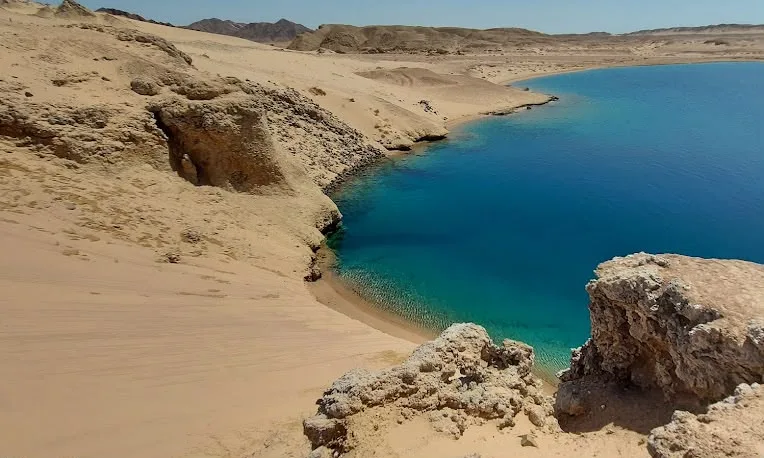
Most Egypt itineraries end at Abu Simbel. The country's other great landscape lies east, along a coast where the desert stops at a reef wall. The Red Sea is enclosed, warm and unusually saline, which makes it exceptionally clear — 20 to 30 metres of visibility is routine — and it holds over a thousand fish species, around a fifth of them found nowhere else. Ras Mohammed, where the Gulfs of Suez and Aqaba meet at the tip of Sinai, is consistently ranked among the finest dive sites on earth, and you do not have to dive to see it: the drop-offs begin so close to shore that a snorkeller floats above the same coral wall. After a week of temples, three or four days here is not an indulgence — it is the part of the trip people talk about afterwards.
Highlights
- Ras Mohammed National Park — the meeting of two gulfs, and one of the most celebrated dive sites in the world
- Water at 22–28 °C year-round, with 20–30 m visibility in the calmer months
- Over 1,000 fish species and roughly 200 coral species, a fifth of them endemic to the Red Sea
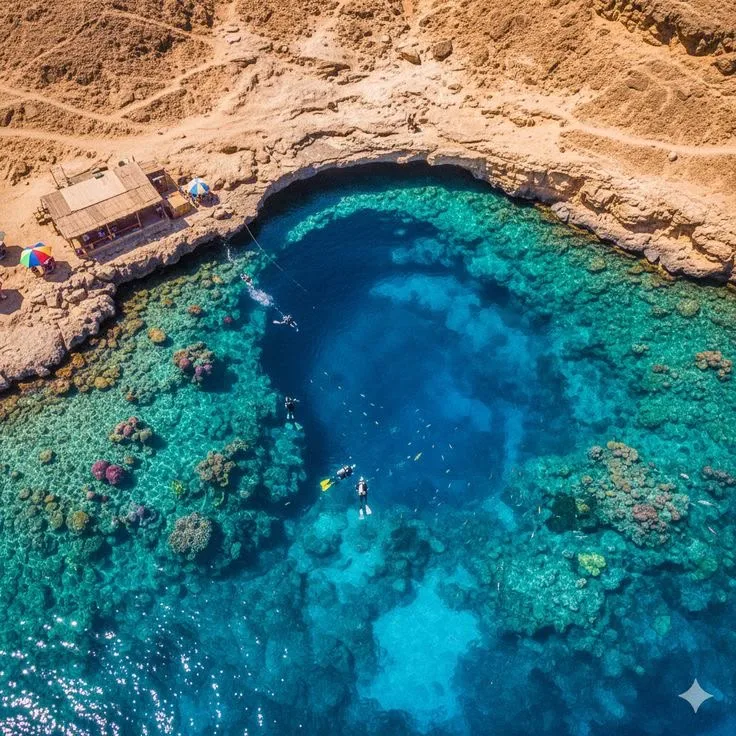
- Reef walls that start metres from the shore — snorkellers see what divers see
- A natural counterweight to a Nile itinerary: temples first, then three or four days of nothing
Planning notes
- Sharm El Sheikh serves Ras Mohammed and the Straits of Tiran; Hurghada is closer to the Nile Valley and easier to combine with Luxor
- Summer (June–August) is hot on land — 38–42 °C — but the water is at its warmest and this coast handles heat far better than the Nile Valley
- Do not fly within 24 hours of your last dive; build the buffer into the itinerary before any onward flight
- Bring or ask for reef-safe sunscreen — oxybenzone-based products damage coral and are discouraged across the Egyptian Red Sea
- Non-divers lose nothing: the best snorkelling here is genuinely world-class, and a private boat day reaches sites the day-trip fleet does not
Travel tips
- A private reef boat costs a fraction of what the equivalent charter costs in Europe and completely changes the day
- Mornings are calmer — wind typically builds through the afternoon, so book water days early
- Never stand on or touch coral: it is living, fragile and protected within the national parks
- Pair a Sinai desert evening with the sea days — the stargazing an hour inland is extraordinary
Frequently asked questions
When is the best time to visit the Red Sea in Egypt?
It is a genuine year-round destination. Water temperatures run about 22 °C in winter and 28 °C in late summer. March to May and September to November are the sweet spot — warm water, comfortable air temperatures and lighter winds. Summer is hot on land (38–42 °C) but very manageable at the coast, and winter is mild by day though a wetsuit is welcome in the water.
Is the Red Sea good for snorkelling if I don't dive?
Exceptionally. The reef walls here begin very close to shore and drop steeply, so a snorkeller on the surface looks down on the same coral gardens and fish life divers descend to. Ras Mohammed, the Tiran reefs and many of the house reefs at Sharm and Hurghada are outstanding from the surface alone.
Can I combine the Red Sea with a Nile cruise?
Yes, and it makes for the most complete version of an Egypt trip. The usual shape is Cairo and Giza, then Luxor and Aswan or a Nile cruise, then a short domestic flight east for three or four days at the coast before flying home. Hurghada is the easier pairing with Luxor; Sharm El Sheikh is the better base for Ras Mohammed and Sinai.
How long should I spend on the Red Sea?
Three to four nights is the sensible minimum — enough for two full boat days plus a rest day, and enough to justify the internal flight. Divers doing a proper series of dives should allow five or more, remembering to leave 24 hours between the final dive and any flight.
Is the Red Sea safe for families with children?
Yes. The resort coast is set up for families, the water is warm and calm in the sheltered bays, and shallow house reefs let children snorkel safely within sight of the shore. A private boat day keeps the group small and the pace yours, which works far better with children than a shared excursion.
Featured tours
Private tours included in the The Red Sea collection.
Dive the Red Sea
Six guided boat dives across the two best site groups in Sinai — Ras Mohammed and Tiran — with a PADI centre we have vetted, plus a shore warm-up.
Red Sea Retreat: Sharm El Sheikh
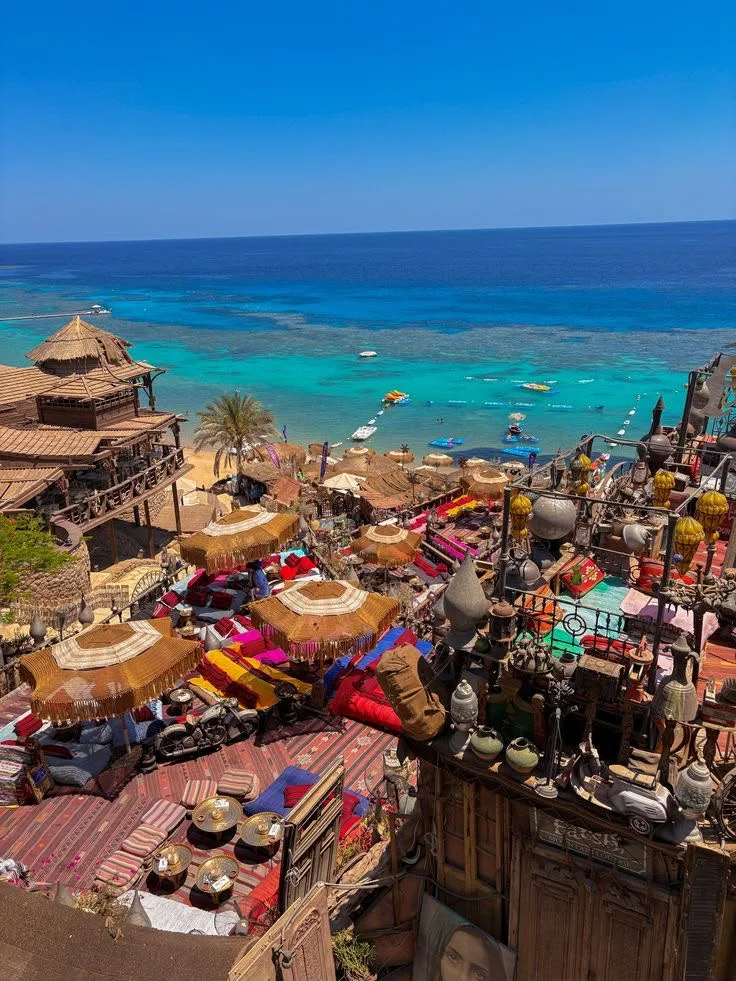
The Red Sea done with intent — a private reef-boat day in Ras Mohammed, a Sinai desert evening under the stars, and space left deliberately empty.
The Grand Tour of Egypt
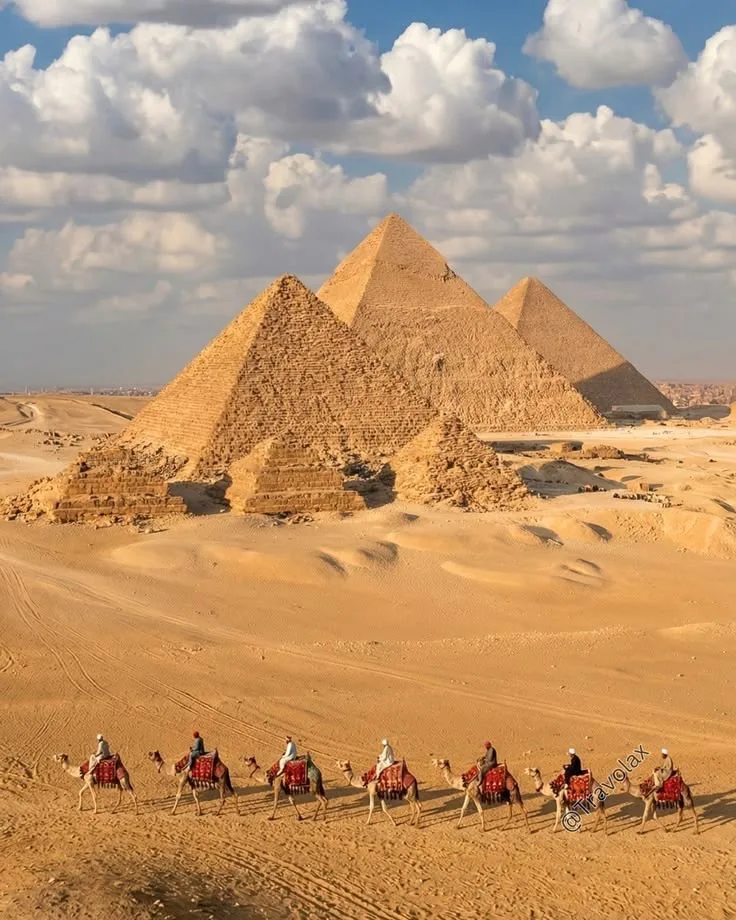
Our most complete journey: two capitals, a Nile cruise, Ramesses II's mountain temple at Abu Simbel, and four Red Sea days to absorb it all.
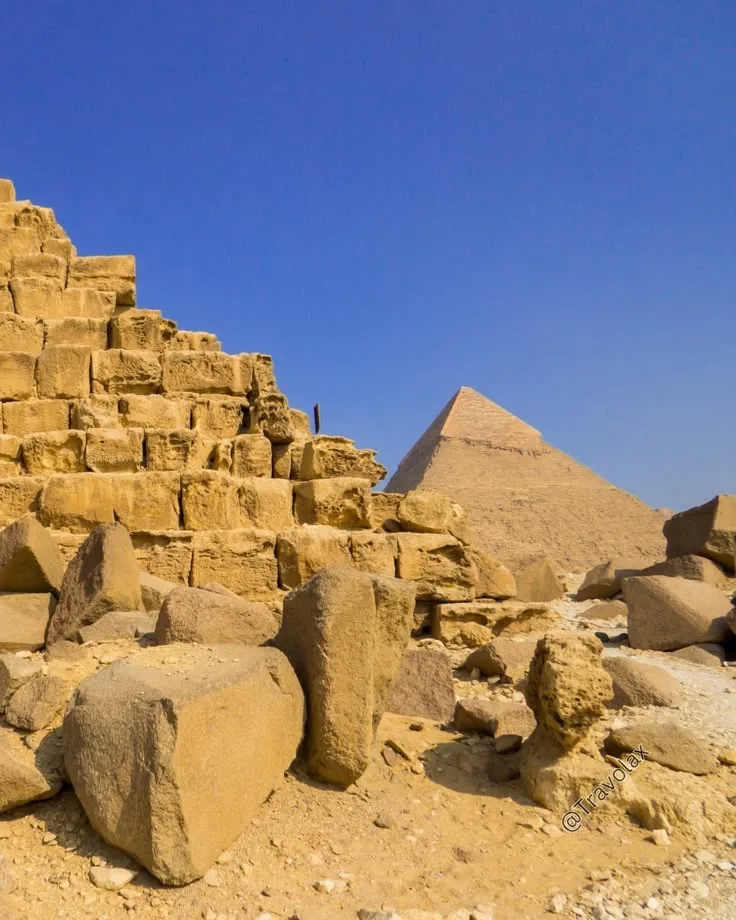
Family Egypt: Pyramids to the Nile
Egypt with children done right: short guided mornings, family-specialist Egyptologists, pool afternoons, and the moments no classroom can match.
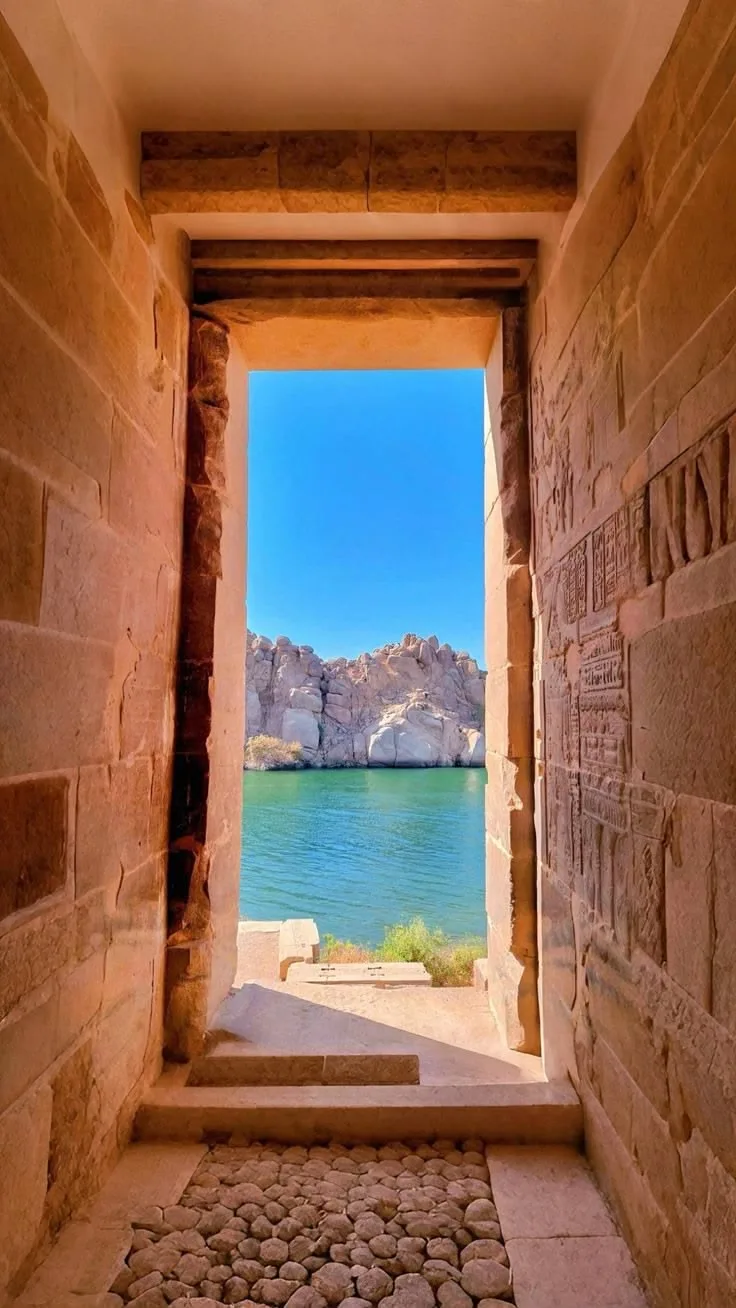
Honeymoon on the Nile
Egypt as a honeymoon should be — private sunrise at the pyramids, a felucca at golden hour, three nights on the Nile and suites chosen for the view.
Featured destinations
Cairo
Egypt's capital on the Nile — medieval Islamic and Coptic quarters, the Egyptian Museum, and the gateway to Giza.
Explore →Luxor
The open-air museum of ancient Thebes — Karnak, Luxor Temple and the royal tombs of the Valley of the Kings.
Explore →Aswan
Egypt's tranquil southern city on the Nile — Nubian culture, the High Dam and the island temple of Philae.
Explore →Featured experiences
Guided Red Sea Diving
Two guided boat dives on Sinai's benchmark reefs with a vetted PADI centre — small groups, unhurried surface intervals and gear that fits.
Red Sea Private Yacht Day
A private yacht out of Sharm El Sheikh for the day — Ras Mohammed's reefs, deck lunch at anchor and a route set entirely by your party.
Sinai Desert Evening & Stargazing
Out of the resort lights and into the Sinai interior — Bedouin tea by the fire, a charcoal dinner and some of the darkest skies within reach of any airport.
Planning resources
Guides to help you plan and prepare.
Egypt Travel Guide
Everything you need to plan a trip to Egypt — visa requirements, the best time to go, getting around, top destinations, culture and practical essentials.
Best Time to Visit Egypt
Egypt's best travel season is October to April, when Nile Valley temperatures are mild and monuments are comfortable to explore. Here is what to expect season by season and destination by destination.
Getting Around Egypt
How to travel between Egypt's cities and sites — domestic flights, high-speed trains, Nile cruises, the Cairo Metro, taxis and private transfers explained.
Related collections
Egypt in Summer
Summer in Egypt demands a different strategy: early starts, coastal retreats and museum days. For experienced travellers, it offers quieter monuments, lower prices and the Mediterranean at its finest.
Family Adventures
From the Pyramids of Giza to Fayoum's desert landscapes, Egypt is a natural family destination — endlessly fascinating for curious minds at every age.
Luxury Egypt
Egypt's finest hotels, private Egyptologist guides, exclusive monument access and bespoke Nile experiences — curated for discerning travellers who want complete privacy and no compromises.
Need help planning?
Tell us your travel dates, group size and what matters most to you. We design every itinerary from scratch — no templates.