The Abu Simbel Sun Festival
Twice a year, the sun reaches 60 metres into a mountain.
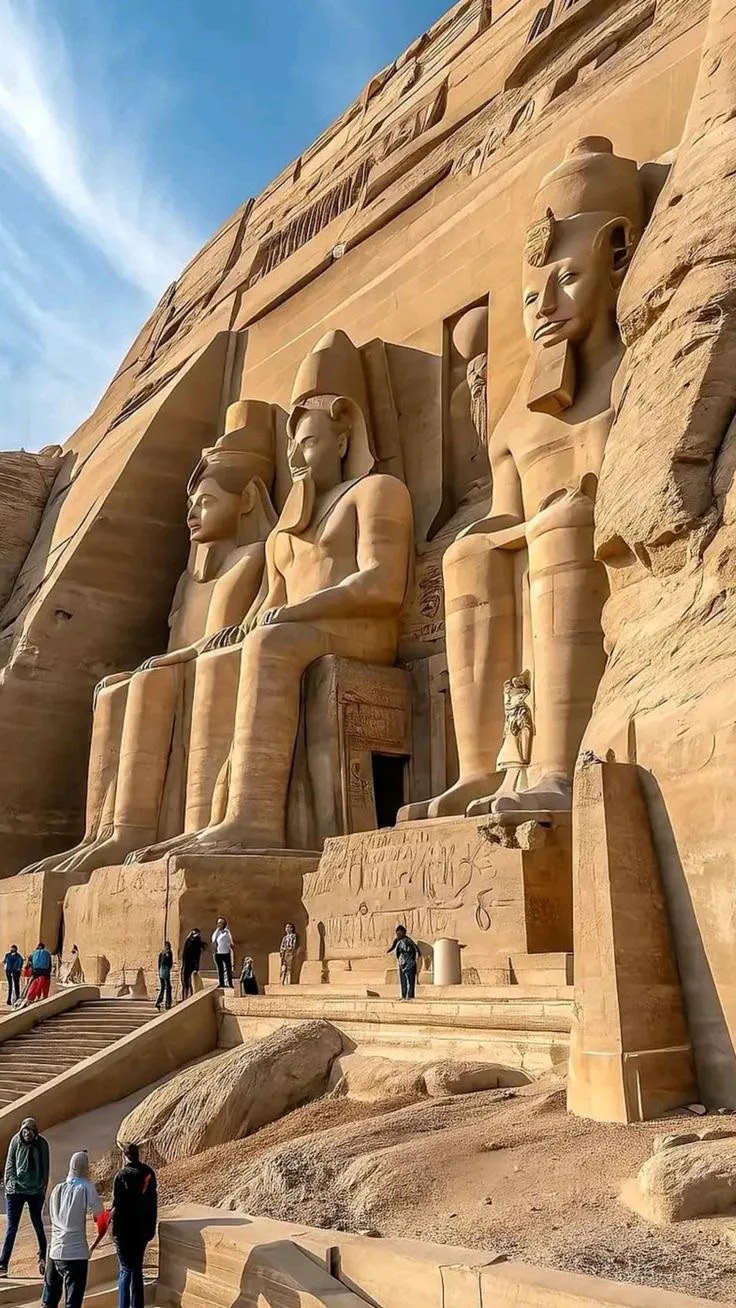
Overview
It lasts about twenty minutes. At dawn on two mornings each year, the rising sun clears the hills across Lake Nasser and sends a beam through the temple doorway at Abu Simbel, down sixty metres of rock-cut hall, and onto the four seated figures in the sanctuary at the very back. Three of them light up: Ra-Horakhty, Amun-Ra, and Ramesses II himself, seated among gods as one of them. The fourth, Ptah — a deity of the underworld — stays in shadow, as he was always meant to. The dates are traditionally read as Ramesses II's coronation and his birth. What makes it remarkable is not only the astronomy but that it survived the temple being cut into more than a thousand blocks and rebuilt 200 metres back and 65 metres higher when the High Dam flooded the original site in the 1960s — the reconstruction shifted the alignment by roughly a day, which is why the crowd now gathers on both the 21st and the 22nd.
Highlights
- 22 February and 22 October — the two mornings the sanctuary is lit, roughly twenty minutes each
- Ra-Horakhty, Amun-Ra and Ramesses II are illuminated; Ptah, god of the underworld, deliberately is not
- A dawn start from Aswan, arriving in the dark for the doors opening around 5:00–6:00 am
- Nubian music and dancing outside the temple through the morning — the event is a local festival, not only an archaeological one
- The rest of the day at Abu Simbel is unusually quiet once the crowd disperses back north
Planning notes
- Both dates are fixed and known years ahead, and Aswan's hotels and the Lake Nasser cruise vessels sell out for them — book 6–12 months in advance
- Because the 1960s relocation shifted the alignment by about a day, many visitors attend on the 21st as well as the 22nd; if the event is the reason for your trip, allow both mornings
- The temple sits roughly 280 km south of Aswan — around a three-hour road transfer, so a festival morning means leaving Aswan between 2:00 and 3:00 am, or flying in on the short Aswan–Abu Simbel hop
- Staying overnight at Abu Simbel itself is the civilised option on festival dates: a handful of hotels sit within minutes of the temple, and they are the first thing to go
- February mornings at the lake are cold before dawn — 8–12 °C — and hot by mid-morning; October is milder at both ends
Travel tips
- The sanctuary is small and the moment is brief: your guide should position you before the doors open, not after
- Photography inside the temple is restricted and the light is extremely contrasty — expect to watch it rather than shoot it, and photograph the façade and the crowd instead
- Bring a head torch or use your phone for the walk in: the approach is genuinely dark at 5 am
- Combine the festival with Philae, the Unfinished Obelisk and a Nubian village afternoon — you are already in Aswan for the best part of a week's worth of sights
- If you cannot make the festival dates, Abu Simbel on any ordinary morning is still one of the great sights of the ancient world, and infinitely calmer
Frequently asked questions
What is the Abu Simbel Sun Festival?
Twice a year, at sunrise on 22 February and 22 October, a shaft of sunlight passes through the doorway of the Great Temple of Ramesses II and travels about sixty metres to the sanctuary at the rear, illuminating three of the four seated statues there — Ra-Horakhty, Amun-Ra and Ramesses II. Ptah, associated with the underworld, remains in darkness. The alignment was engineered into the temple when it was cut from the mountainside in the thirteenth century BCE and the effect lasts roughly twenty minutes.
What are the Abu Simbel Sun Festival dates?
22 February and 22 October each year. Because the temple was dismantled and rebuilt on higher ground in the 1960s to save it from the rising waters of Lake Nasser, the alignment shifted by approximately one day, so many visitors now attend on both the 21st and the 22nd. The illumination happens at sunrise, with the temple opening early — generally between 5:00 and 6:00 am.
Why are 22 February and 22 October the dates?
The two dates are traditionally associated with Ramesses II's coronation and his birth, separated by exactly eight months. Whether they mark those precise events is debated by Egyptologists, but the deliberate astronomical design of the temple is not in question — the axis was set so that the sun would reach the sanctuary on two specific mornings and no others.
How do I get to Abu Simbel for the sun festival?
Abu Simbel is about 280 km south of Aswan. Most visitors travel by private road transfer, which takes roughly three hours and means leaving Aswan around 2:00–3:00 am to be in position before dawn. There is also a short flight from Aswan. On festival dates the most comfortable approach by far is to stay overnight in one of the few hotels at Abu Simbel itself — they book out many months ahead.
Is the Abu Simbel Sun Festival worth it?
If you have a genuine interest in ancient engineering or astronomy, yes — watching a three-thousand-year-old calculation still work to the minute is a rare thing. Be clear about what it involves: a middle-of-the-night start, cold, and a large crowd for a twenty-minute event in a confined space. Travellers who mainly want the temple itself are often better served visiting on an ordinary morning, when Abu Simbel is quiet and you can take your time.
Featured tours
Private tours included in the The Abu Simbel Sun Festival collection.
Abu Simbel Private Excursion
Ramesses II's colossal rock-cut temples — carved into a Nubian mountainside, moved block by block above the rising lake, and still aligned to the sun.
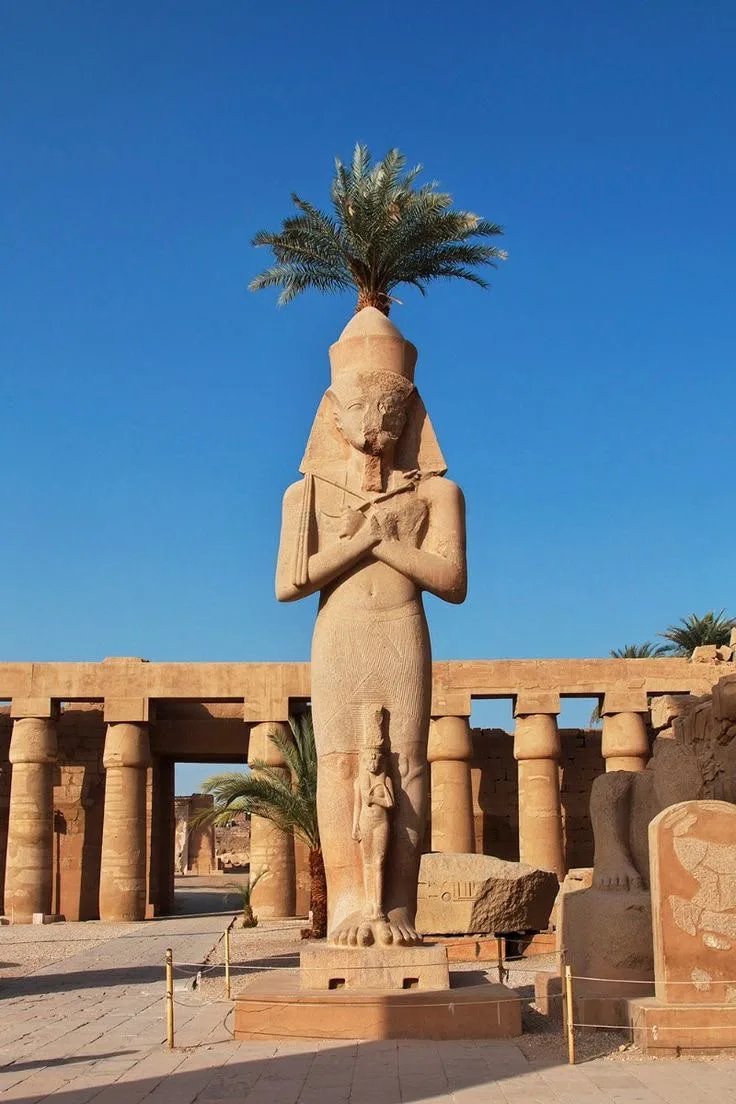
Temples of the South
The deep-history heart of Egypt by private road journey — Karnak, the Valley of the Kings, Edfu, Kom Ombo and Philae, with time to actually absorb them.
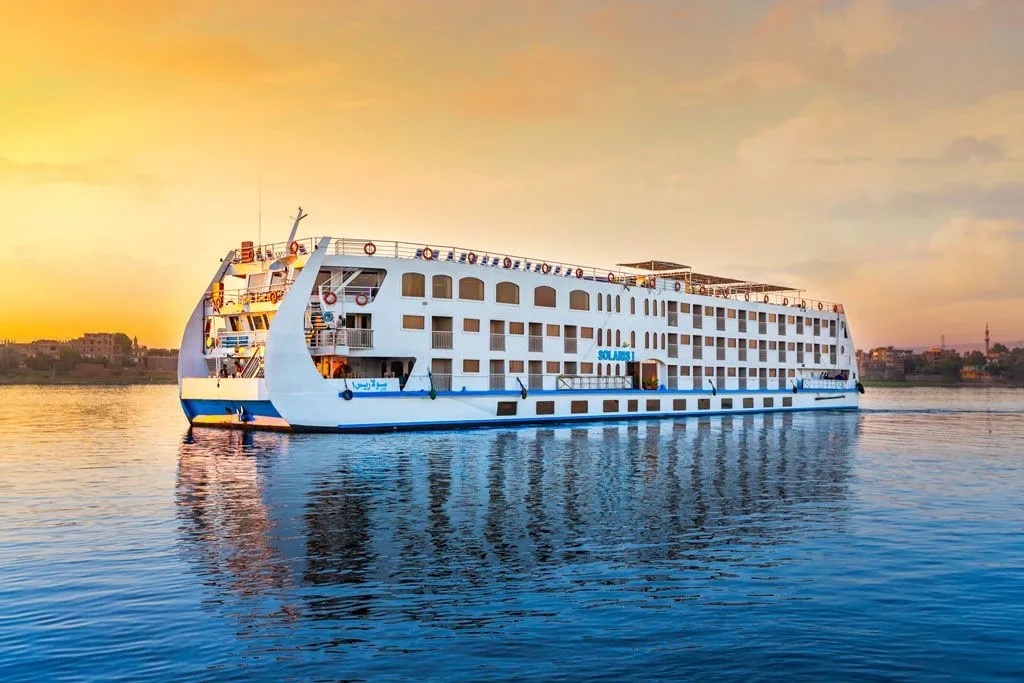
Nile in Style: Aswan to Luxor
The essential Nile cruise, done properly — Philae and the High Dam, three nights afloat past Kom Ombo and Edfu, and Luxor's East and West Banks with your own Egyptologist.
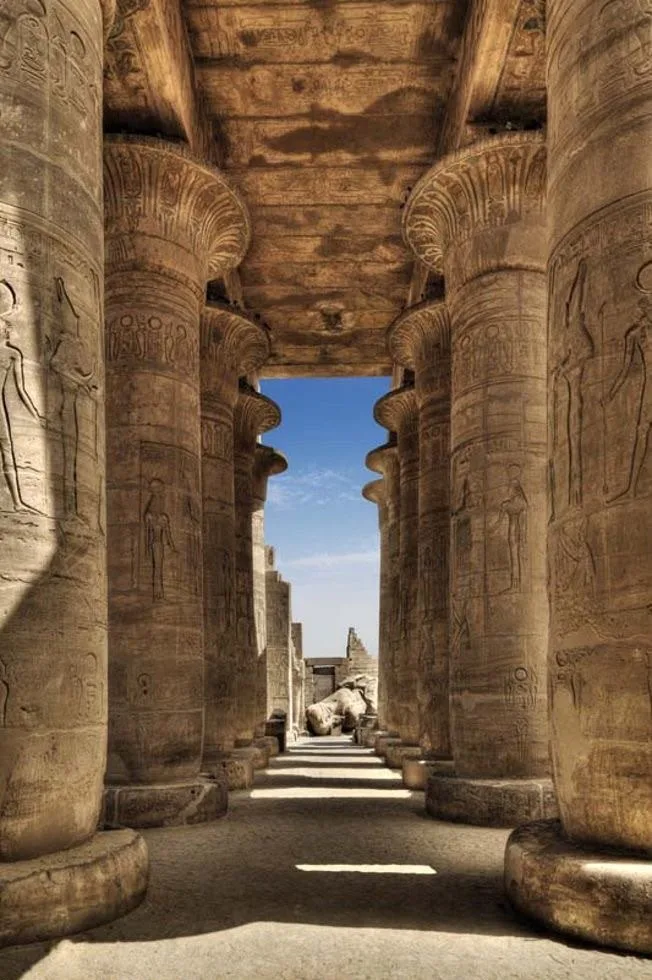
Egypt Icons & Nile Cruise
Our most complete journey: Cairo, Alexandria, a sleeper train south, and a three-night Nile cruise from Aswan to Luxor — every layer of Egypt in one arc.
The Grand Tour of Egypt
Our most complete journey: two capitals, a Nile cruise, Ramesses II's mountain temple at Abu Simbel, and four Red Sea days to absorb it all.
Featured destinations
Aswan
Egypt's tranquil southern city on the Nile — Nubian culture, the High Dam and the island temple of Philae.
Explore →Luxor
The open-air museum of ancient Thebes — Karnak, Luxor Temple and the royal tombs of the Valley of the Kings.
Explore →Cairo
Egypt's capital on the Nile — medieval Islamic and Coptic quarters, the Egyptian Museum, and the gateway to Giza.
Explore →Featured experiences
Nubian Village Experience
Cross the Nile to a painted Nubian village above Aswan — hibiscus tea in a family house, henna, spice talk and a culture older than the pharaohs' border.
Private Felucca Sailing on the Nile
Charter an entire traditional felucca and drift down the Nile past ancient temples, granite boulders and palm-lined riverbanks — at the same unhurried pace Egyptians have sailed for millennia.
Planning resources
Guides to help you plan and prepare.
Best Time to Visit Egypt
Egypt's best travel season is October to April, when Nile Valley temperatures are mild and monuments are comfortable to explore. Here is what to expect season by season and destination by destination.
Getting Around Egypt
How to travel between Egypt's cities and sites — domestic flights, high-speed trains, Nile cruises, the Cairo Metro, taxis and private transfers explained.
Egypt Travel Guide
Everything you need to plan a trip to Egypt — visa requirements, the best time to go, getting around, top destinations, culture and practical essentials.
Related collections
Egypt in Winter
October to March is Egypt's golden window for travel: comfortable temperatures across the Nile Valley, brilliant photography light and the major monuments at their most accessible.
First-Time Visitors
Everything a first-time visitor needs: the right tours, the right destinations, essential planning guides, and the experiences that define Egypt.
Luxury Egypt
Egypt's finest hotels, private Egyptologist guides, exclusive monument access and bespoke Nile experiences — curated for discerning travellers who want complete privacy and no compromises.
Need help planning?
Tell us your travel dates, group size and what matters most to you. We design every itinerary from scratch — no templates.