Abu Simbel Private Excursion
The mountain temples of Ramesses II above Lake Nasser — a dawn desert road, two rock-cut sanctuaries, and back in Aswan for lunch.
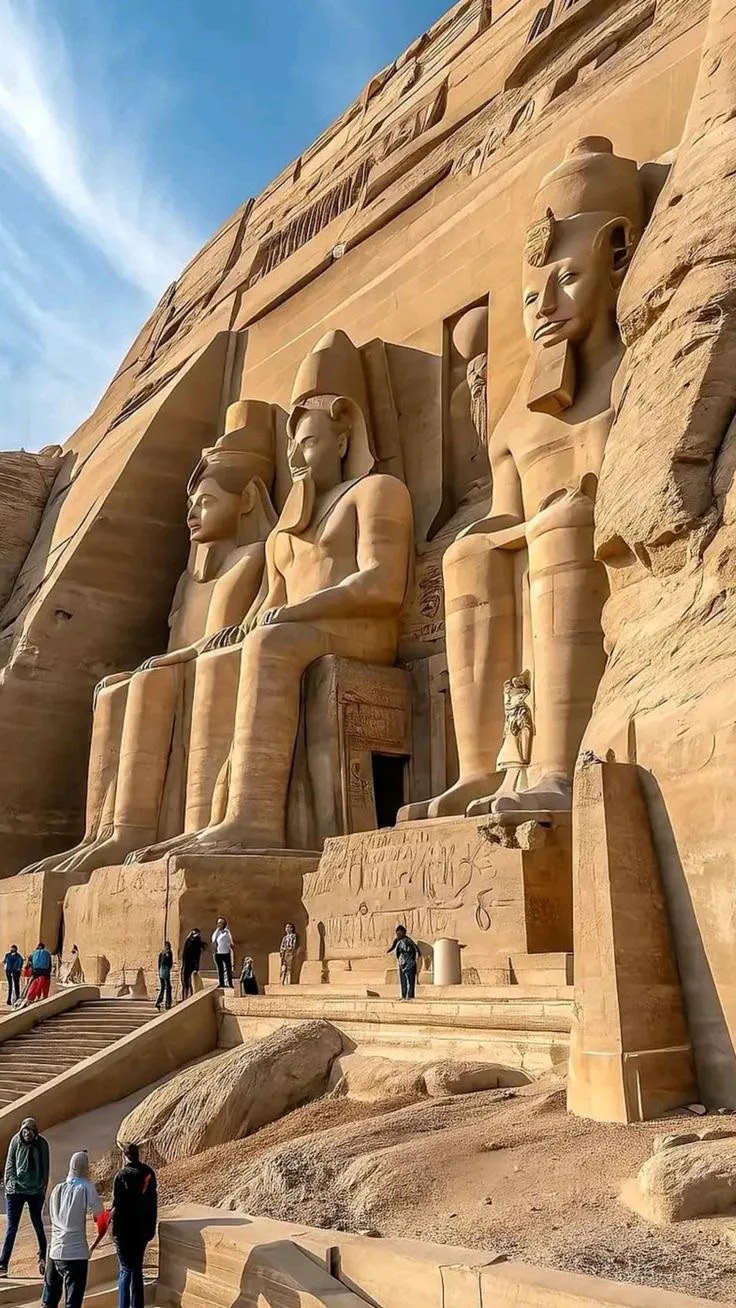
What does Abu Simbel Private Excursion include, and what does it cost?
Abu Simbel Private Excursion is a private full-day tour of Abu Simbel, from €160 per person for a party of 6 or more. It includes a private Egyptologist guide throughout; a private air-conditioned vehicle for the desert road, both ways; and breakfast box and bottled water. Entrance tickets are paid at the gate.
Overview
Abu Simbel is the far south's non-negotiable: two temples cut directly into a sandstone mountain by Ramesses II around 1264 BCE, fronted by four seated colossi twenty metres tall. When Lake Nasser rose behind the High Dam in the 1960s, UNESCO's rescue sawed the entire complex into a thousand blocks and rebuilt it sixty-five metres higher — an engineering feat nearly as remarkable as the original. This private excursion runs the classic way: a pre-dawn departure from Aswan across open desert, arrival as the first light hits the colossi, unhurried time inside both the Great Temple and Nefertari's smaller sanctuary with your Egyptologist, and return to Aswan by early afternoon. Twice a year, on 22 February and 22 October, the rising sun reaches the innermost sanctuary — ask us about aligning your dates.
Itinerary
The dawn desert road
Depart Aswan around 4 a.m. by private vehicle, crossing 280 km of open desert as the sky lightens — a journey with its own austere beauty, coffee provided.
The Great Temple of Ramesses II
Stand before the four seated colossi, then pass inside through halls of Osiride pillars to the sanctuary where four gods sit — aligned so the sun reaches them just two mornings a year.
The Temple of Nefertari
The smaller temple Ramesses dedicated to his queen and the goddess Hathor — one of the very few Egyptian temples where a queen's statues stand equal in scale to the king's.
Return to Aswan
Back across the desert to reach Aswan by early afternoon, in time for lunch, your cruise departure or a felucca at golden hour.
Included & not included
Included
- Private Egyptologist guide throughout
- Private air-conditioned vehicle for the desert road, both ways
- Breakfast box and bottled water
- Hotel or cruise-ship pickup & drop-off in Aswan
Not included
- Entrance tickets to both temples — paid at the published gate rate, with nothing added
- Flight option Aswan–Abu Simbel (available on request, limited schedule)
- Lunch (returned to Aswan by early afternoon)
- Tipping (gratuities)
- Personal expenses
Good to know
Why does the day start at 4 a.m.?
Three reasons: the desert road runs in organised windows, the temples are at their emptiest and coolest at opening, and returning by early afternoon keeps your Aswan day — or cruise schedule — intact.
Is flying an option instead of the road?
Yes — EgyptAir operates a short 45-minute hop on a limited schedule, cutting the round trip to about five hours. Seats sell out early; tell us at booking and we will quote both ways.
What is the Sun Festival?
On 22 February and 22 October the rising sun penetrates 60 metres into the Great Temple and lights the seated gods of the sanctuary — the alignment Ramesses' architects built in three thousand years ago. Visiting on those dates needs planning months ahead; we arrange it on request.
Is this journey right for you?
- Travellers who would rather see four things properly than twelve badly
- Anyone who wants a licensed Egyptologist beside them, not a headset and a flag
- Couples and families for whom pace, comfort and privacy decide whether a trip works
- Visitors marking something — a honeymoon, an anniversary, a milestone birthday
- Anyone looking for the lowest price on Egypt — we are not the cheapest and do not try to be
- Coach tours, shared group departures and itineraries sold by the seat
- Hostels, dormitories and hop-on backpacking routes
- Travellers who would rather organise the logistics themselves
What this journey is, without exception
Every operator in Egypt uses the word luxury. These are the specifics behind ours — checkable before you pay for anything.
A licensed Egyptologist, not a guide
Every journey is led by a guide licensed by the Egyptian Ministry of Tourism with a degree in Egyptology. They are with you at the monuments, not waiting in the car park — and they are yours for the day, answering your questions rather than reciting to forty people.
Your party only
No shared coaches. No fixed departure dates. No strangers on your itinerary. If you are two people, the vehicle, the guide and the pace belong to two people.
Built around you, then written down
We design the itinerary from your interests and your dates — not from a catalogue page. You receive it in writing before anything is paid, and it changes as often as you want it to until it is right.
One price, itemised
The quote lists what is included and what is not, line by line, before you commit. Your Egyptologist, private air-conditioned transfers and lunch on touring days are inside the price on every journey, and entrance fees are inside it on every multi-day one. Where something sits outside — monument tickets on a day tour, for instance — it is named on the page you are reading, at the rate the ticket office charges, not discovered at the end.
Reachable while you travel
You have a direct line to the people who planned your journey for the whole time you are in Egypt — not a call centre, and not a number that stops answering after the deposit clears.
Time protected, not filled
A day with four sites crammed into it is a cheaper day to sell and a worse day to live. We plan around light, heat and crowds — the Valley of the Kings at opening, the Egyptian Museum when the coaches have gone — and we leave the afternoon alone.
On price, plainly
Kemet sits at the upper end of the Egyptian market and we are comfortable saying so. A private Egyptologist for a week costs what it costs; so does a car that is yours alone and a room that faces the river rather than the car park. What we will not do is quote low, then recover the difference through optional extras, shopping stops and an itinerary that quietly turns into a group. Every price on this site is a per-person starting point for a private journey, and the written quote that follows is the price you pay.
Preparation reading
Guides to help you prepare for this journey.
Egypt Travel Guide
Everything you need to plan a trip to Egypt — visa requirements, the best time to go, getting around, top destinations, culture and practical essentials.
Best Time to Visit Egypt
Egypt's best travel season is October to April, when Nile Valley temperatures are mild and monuments are comfortable to explore. Here is what to expect season by season and destination by destination.
Getting Around Egypt
How to travel between Egypt's cities and sites — domestic flights, the sleeper train, Nile cruises, the Cairo Metro, taxis and private transfers explained.
Similar journeys
Egypt Through the Lens
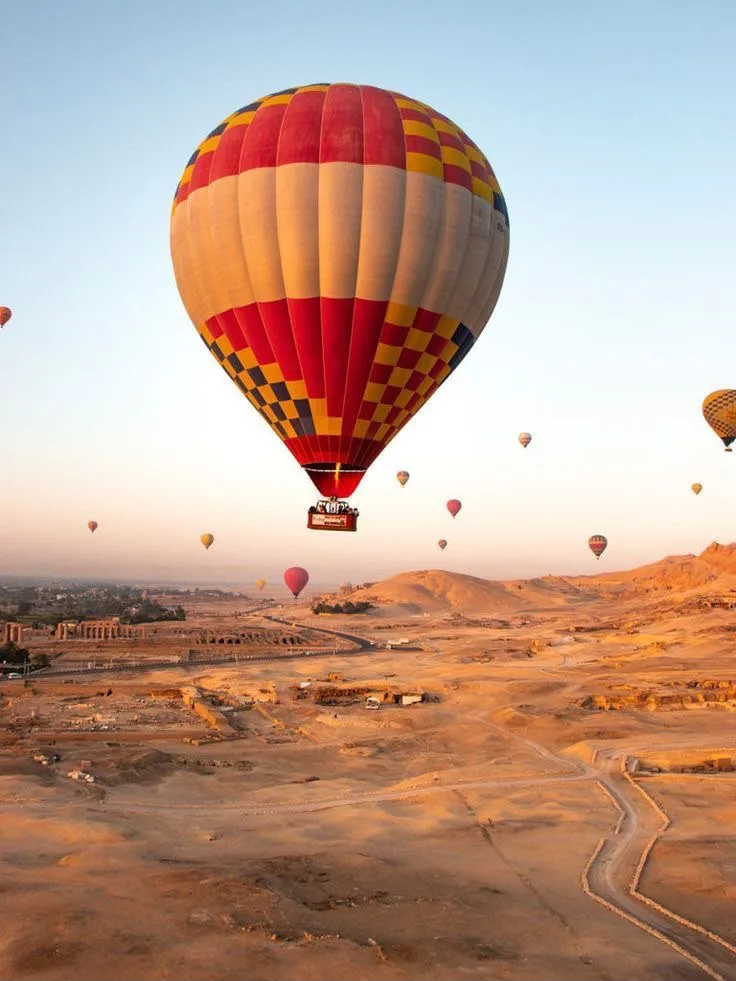
An itinerary built backwards from the light: early-access Giza at sunrise, Karnak before the crowds, balloons over Thebes and feluccas at golden hour.

Nile in Style: Aswan to Luxor
The essential Nile cruise, done properly — Philae and the High Dam, three nights afloat past Kom Ombo and Edfu, and Luxor's East and West Banks with your own Egyptologist.
Family Egypt: Pyramids to the Nile
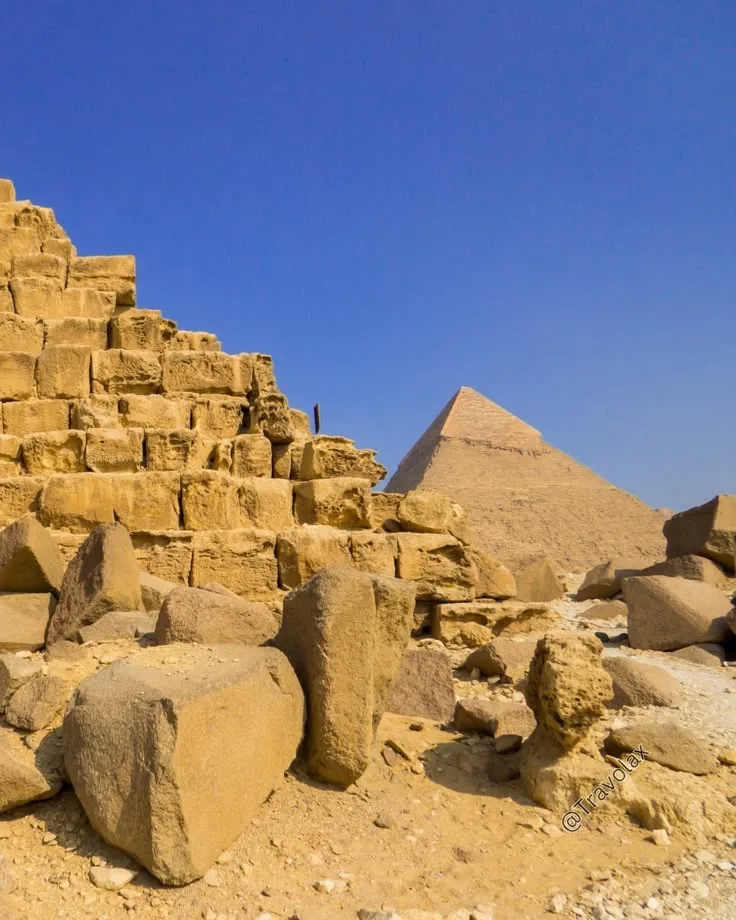
Egypt with children done right: short guided mornings, family-specialist Egyptologists, pool afternoons, and the moments no classroom can match.
Talk to a local expert
Our team lives and breathes Egypt travel. Share what draws you here — we'll help you design the journey that fits.