Proposing in Egypt
One moment, planned to the minute, in a country built for them.
There is a version of this where you carry a ring through four airports, wait for the right moment, and it never quite arrives — the light is wrong, there are two hundred people at the viewpoint, the guide is mid-sentence about Ramesses II. And there is the version where the moment is the fixed point and the entire day is built backwards from it. We plan the second one.
What changes
Everything is arranged around a single quarter of an hour. That means knowing which sites empty and when, which terraces face the right way at sunset, and where you can be alone without being anywhere difficult. It also means your Egyptologist knows exactly what is happening and exactly when to walk twenty paces away — and that nobody else does, including whoever you are travelling with, if that is what you want.
What we would suggest
Specific rather than aspirational. Where something depends on a permission or a single boat, it says so — we would rather tell you now than after you have paid.
The Giza plateau, early
The plateau opens before the coaches arrive and the light between seven and eight is long and gold. The southern viewpoint gives you all three pyramids with nothing in the frame but sand. It is the most photographed view in the world and, for about forty minutes a day, one of the emptiest.
A felucca off Aswan at sunset
A private felucca, one boatman, no engine. The river goes copper, Elephantine Island passes on one side and the Tombs of the Nobles on the other, and there is genuinely nobody else on board. Of everything in Egypt this is the setting most people describe afterwards without being able to explain why.
A rooftop above Islamic Cairo
The call to prayer moves across the medieval city from a dozen minarets at slightly different moments, which is a sound rather than a noise. A restored rooftop above Al-Muizz Street at dusk, a table for two, and the whole of Fatimid Cairo below.
Philae, on the water
The temple of Isis sits on its own island and you arrive by motorboat. Late afternoon, when the day's visitors have gone back across, the colonnade is empty and the light comes off the water onto the columns. Isis and Osiris is the oldest love story anyone here knows, which is either too obvious or exactly right.
The Western Desert, at night
If you want somewhere nobody has proposed before: the White Desert, three hours west of the oasis road, where the chalk formations are the colour of bone and there is no light for a hundred kilometres in any direction. A private camp, a cook, and more stars than most people have seen in their lives.
Worth knowing before you plan
- Tell us early — some of these need permissions, a specific boat, or a table that holds four months out.
- Carry the ring in hand luggage, not checked. Egyptian customs are relaxed about personal jewellery; airlines are not relaxed about lost bags.
- Photography can be arranged discreetly, from a distance, so the moment is not staged and you still have it afterwards. Say the word and it is handled without anyone visible.
- October to April gives you the light and the temperature. May to September the desert and the Nile are still workable at dawn and dusk, but the middle of the day is not.
- If it goes to plan, the rest of the journey should not be a schedule. We leave the days after deliberately loose.
Starting points
Private throughout, led by a licensed Egyptologist, rewritten around your dates and your party. Prices are per person and fall as the party grows.
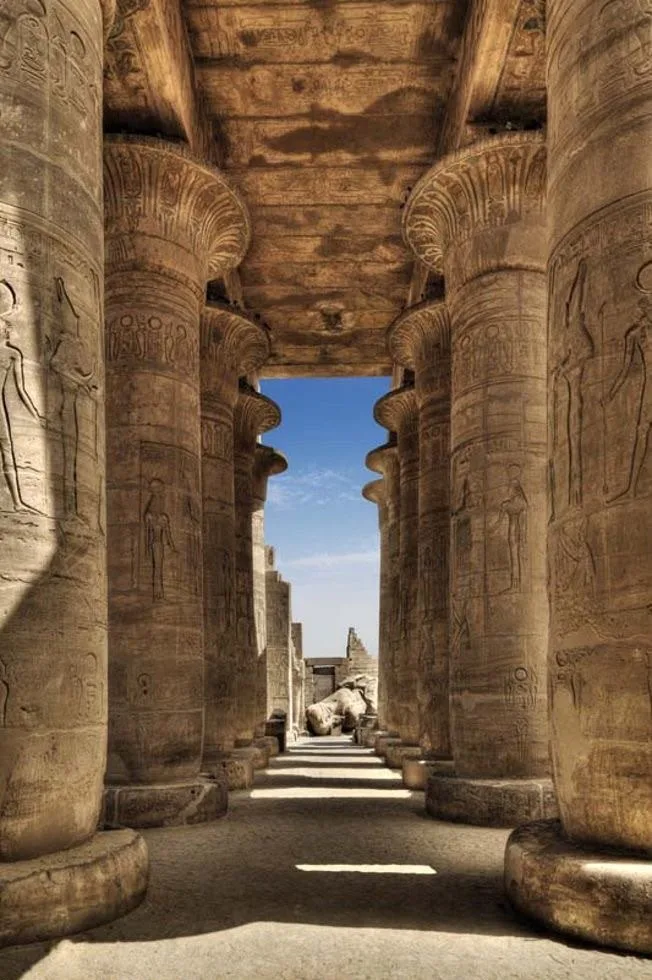
Egypt Icons & Nile Cruise
Our most complete journey: Cairo, Alexandria, a sleeper train south, and a three-night Nile cruise from Aswan to Luxor — every layer of Egypt in one arc.
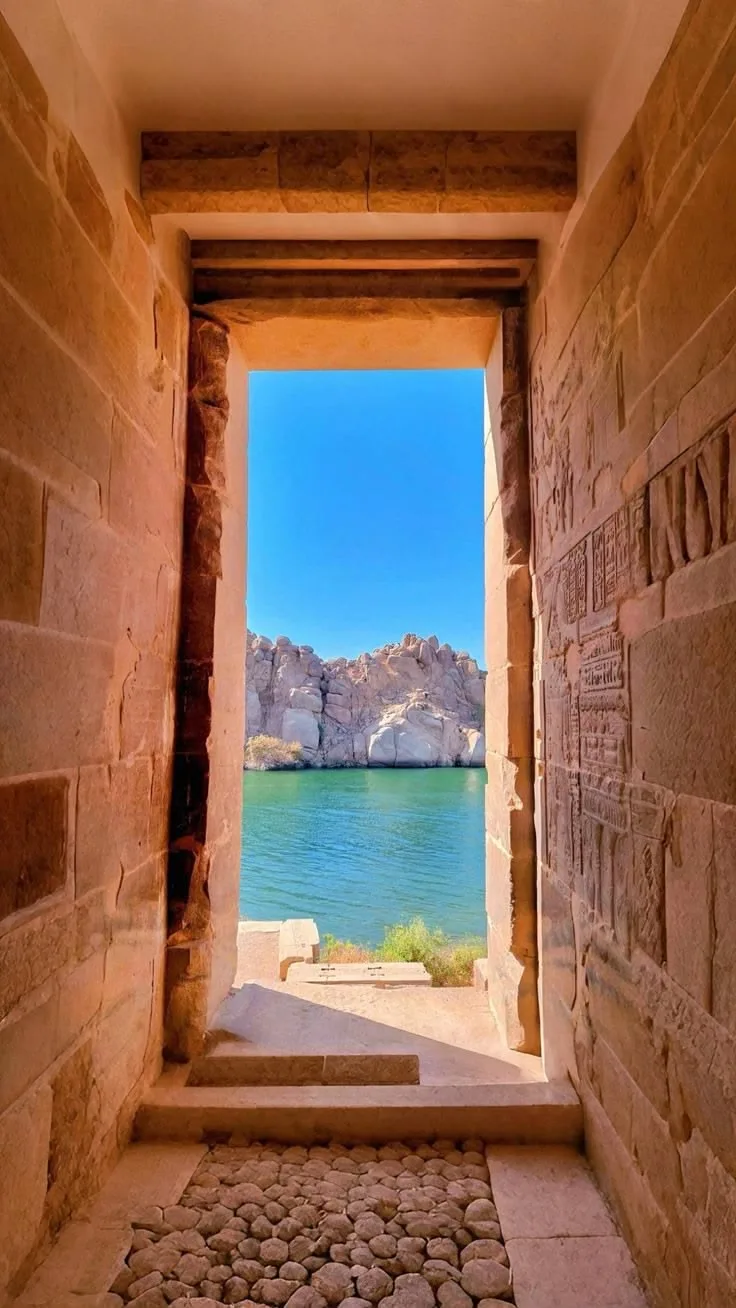
Honeymoon on the Nile
Egypt as a honeymoon should be — private sunrise at the pyramids, a felucca at golden hour, three nights on the Nile and suites chosen for the view.
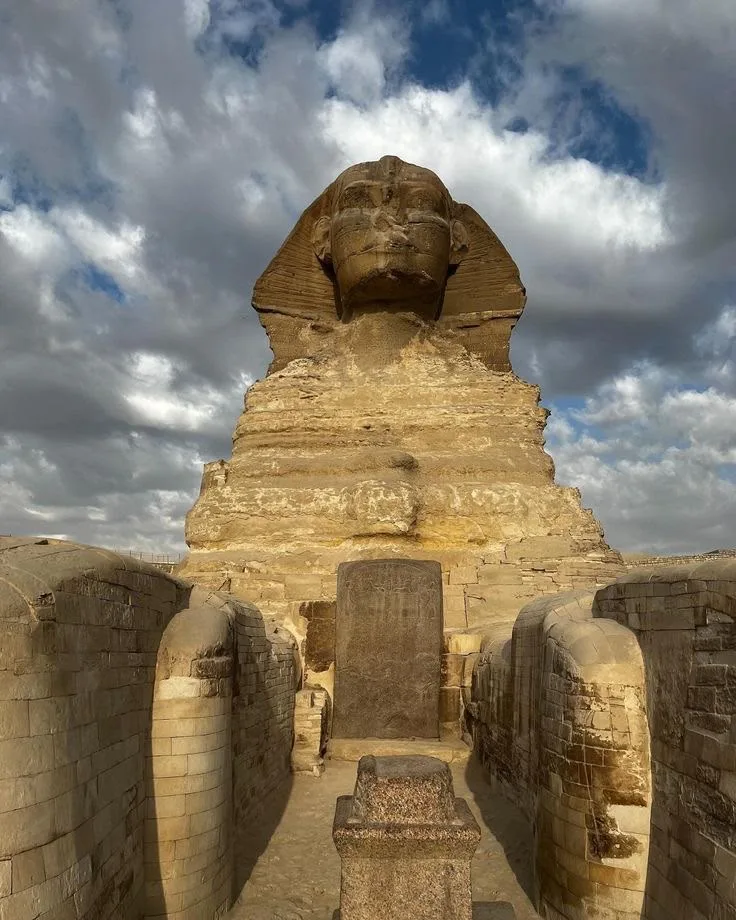
Egypt Highlights Deluxe
The headline acts of Egypt in seven days — the Egyptian Museum, Alexandria, the temples and tombs of Luxor, and the Pyramids of Giza.
A proposal — questions
Where is the best place to propose in Egypt?
There is no single answer, but the four settings that work most reliably are the Giza plateau in the first hour after opening, a private felucca off Aswan at sunset, the island temple of Philae late in the afternoon, and a rooftop above Islamic Cairo at dusk. Each is private enough to feel like yours and photogenic enough that you will want the picture afterwards.
Can you arrange a private proposal at the Pyramids?
We can plan your arrival for the quietest hour, position you at the viewpoints most people never reach, and have your Egyptologist step away at the right moment. Genuinely exclusive after-hours access to the plateau depends on permissions that are granted case by case by the antiquities authorities and cannot be promised in advance — where it is possible we will tell you honestly what is involved, and where it is not we will say so rather than take your money for a maybe.
How far in advance should I plan a proposal trip?
Three months is comfortable; six is better if you want a specific boat, a particular table or a desert camp. Some of these are single-unit arrangements — there is one dahabiya, one terrace, one sunset — and they are taken by people who booked earlier.
Can you keep it a secret from my partner?
Yes, and we plan for it. Correspondence goes to one address only, the written itinerary can be produced in two versions, and your guide is briefed separately. It is not the first time we have done this.
What every Kemet journey is
Every operator in Egypt uses the word luxury. These are the specifics behind ours — the things you can check, before you pay for anything.
A licensed Egyptologist, not a guide
Every journey is led by a guide licensed by the Egyptian Ministry of Tourism with a degree in Egyptology. They are with you at the monuments, not waiting in the car park — and they are yours for the day, answering your questions rather than reciting to forty people.
Your party only
No shared coaches. No fixed departure dates. No strangers on your itinerary. If you are two people, the vehicle, the guide and the pace belong to two people.
Built around you, then written down
We design the itinerary from your interests and your dates — not from a catalogue page. You receive it in writing before anything is paid, and it changes as often as you want it to until it is right.
One price, itemised
The quote lists what is included and what is not, line by line, before you commit. Entrance fees, private air-conditioned transfers, your Egyptologist and lunch on touring days are inside the price — they are not add-ons revealed later.
Reachable while you travel
You have a direct line to the people who planned your journey for the whole time you are in Egypt — not a call centre, and not a number that stops answering after the deposit clears.
Time protected, not filled
A day with four sites crammed into it is a cheaper day to sell and a worse day to live. We plan around light, heat and crowds — the Valley of the Kings at opening, the Egyptian Museum when the coaches have gone — and we leave the afternoon alone.
Other occasions
Anniversaries and milestone birthdays
For the birthdays that end in a zero and the years worth marking.
A private group, not a group tour
Six to sixteen people who already know each other, and nobody who doesn't.
Returning to Egypt
You have done Giza, Karnak and the Valley. This is the rest of it.
Three generations, one journey
Grandparents, parents and children in one country, at one pace that works.
Tell us what is being marked
One sentence about the occasion changes the itinerary more than any list of sites. Send it with your dates and who is travelling.