What to Pack for Egypt
The Egypt packing list that actually matches the trip: what the desert, the monuments, the mosques and the Nile each demand — by season, with the five things everyone forgets.
7 min read · Updated 2026-07
Key takeaways
- Layers beat outfits: a 20-degree swing between dawn and mid-afternoon is normal for most of the year
- Shoulders-and-knees coverage gets you into every mosque and church without improvising
- Real walking shoes, already broken in — monument floors are sand, gravel and 3,000-year-old stone
- Winter evenings are genuinely cold on the Nile: pack one warm layer even in December
- Sunscreen, a proper hat and a refillable bottle are non-negotiable twelve months a year
The principle: pack for four climates at once
A classic Egypt itinerary crosses a desert plateau at dawn, an air-conditioned museum at noon, a mosque in the afternoon and a breezy cruise deck after dark — in one day. The packing answer is not more clothes; it is layers of light, breathable ones. Natural fabrics (cotton, linen) outperform synthetics everywhere except the Red Sea.
Clothing — the core list
- 4–5 light, loose tops with sleeves (sun protection doubles as mosque-readiness)
- 2–3 pairs of light trousers or long skirts — knees covered gets you in everywhere
- One warm layer: a fleece or light jacket (November–March evenings drop to 8–11 °C)
- A scarf or shawl — instant shoulder or head cover, dust shield, sun block, cruise-deck warmth: the single hardest-working item in the bag
- Broken-in walking shoes with real soles, plus sandals for hotels and decks
- Swimwear — hotel pools everywhere, plus the Red Sea if it is on the route
- One smarter outfit for a cruise dinner or a Cairo rooftop evening
Note: There is no legal dress code for visitors, and hotels and resorts are fully relaxed. Modesty at religious sites and in older neighbourhoods is a courtesy that is always noticed and always repaid.
Sun, sand and health
- High-SPF sunscreen — and a reef-safe one if the Red Sea is on the itinerary
- A hat with a real brim; the site shade at Giza and Karnak rounds to zero
- Sunglasses (the desert glare is fierce), lip balm with SPF, and a small moisturiser — the dry air is relentless
- A refillable water bottle — your guide keeps bottled water in the vehicle, and hotels increasingly have refill stations
- A small personal kit: rehydration salts, your usual stomach remedy, plasters, any prescription in its original packaging
- Hand sanitiser and pocket tissues — public bathrooms at monument sites vary
Important: Tap water is not for drinking anywhere in Egypt. Bottled water is universal and inexpensive; brushing teeth with tap water in city hotels is generally fine.
Electronics & documents
- Type C/F adapter (Egypt runs European two-pin at 220V) — one per person plus a spare
- Power bank — long site days, phone as camera
- Passport valid 6+ months, a printed copy kept separately, and your e-Visa confirmation, or the fee for a visa on arrival
- A modest amount of small-denomination cash for tips — see the money guide for how tipping actually works
By season
- October–April (the classic season): everything above, with the warm layer promoted from optional to essential — cruise decks and desert dawns are cold
- May–September: swap a top for an extra one, add electrolytes, and treat the hat and sunscreen as safety equipment rather than accessories
- Ramadan (moves each year): nothing extra to pack, but slightly more conservative daywear is a graceful courtesy
- Red Sea add-on: rash guard or swim shirt (the sun on the water is stronger than it feels), reef-safe sunscreen only
The five things everyone forgets
- The scarf (see above — it earns its place daily)
- A head torch: pre-dawn starts for Abu Simbel, the balloon, or the Sun Festival are genuinely dark
- A dry bag or zip pouch for sand-proofing phones and cameras on desert days
- Slip-on-able shoes — mosques mean shoes off and on several times in an afternoon
- An empty duffel folded flat in the case: the bazaar happens to almost everyone
Frequently asked questions
Is there a dress code for tourists in Egypt?
No formal one. Hotels, resorts and cruise vessels are fully relaxed, and Cairo's modern districts dress like any big city. At mosques, churches and in the older quarters, covered shoulders and knees for everyone — and a head scarf for women inside mosques — is the expected courtesy. A light scarf in the day-pack covers every situation, literally.
What shoes should I bring to Egypt?
One pair of genuinely comfortable, already-broken-in walking shoes with proper soles — monument sites are sand, gravel and ancient stone, and you will cover several kilometres on the big days. Add sandals or slip-ons for hotels, decks and mosque visits, where shoes come off and on repeatedly. Heels have a hard time everywhere except a cruise dining room.
Do I need warm clothes for Egypt in winter?
Yes — more than most visitors expect. Daytimes are a glorious 18–26 °C, but desert and river temperatures fall fast after sunset: 8–11 °C evenings are normal from December to February, and a Nile cruise deck or a pre-dawn Abu Simbel start feels properly cold. One fleece or light jacket solves the entire season.
Can I buy things I forget in Egypt?
Almost everything, easily. Pharmacies are excellent, ubiquitous and inexpensive; sunscreen, adapters, hats and clothing are all readily available in Cairo, Luxor and the resort towns. The two things genuinely worth bringing from home are specific prescription medication and broken-in walking shoes.
Related destinations
Places covered in this guide.
Cairo
Egypt's capital on the Nile — medieval Islamic and Coptic quarters, the Egyptian Museum, and the gateway to Giza.
Explore →Giza
Home of the Great Pyramid and the Sphinx, on the desert plateau across the Nile from Cairo.
Explore →Luxor
The open-air museum of ancient Thebes — Karnak, Luxor Temple and the royal tombs of the Valley of the Kings.
Explore →Aswan
Egypt's tranquil southern city on the Nile — Nubian culture, the High Dam and the island temple of Philae.
Explore →Related tours
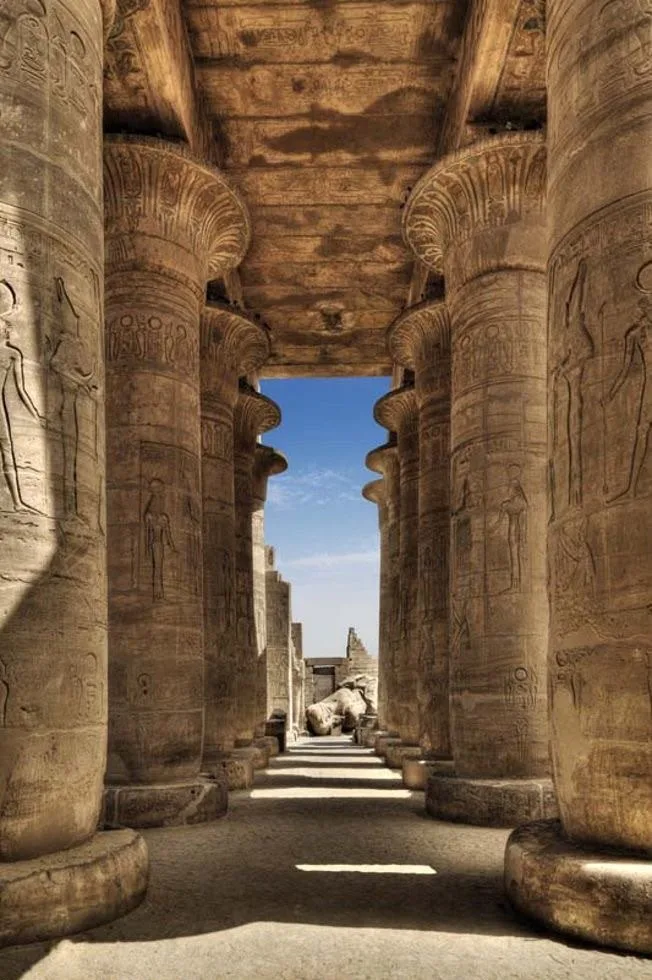
Egypt Icons & Nile Cruise
Our most complete journey: Cairo, Alexandria, a sleeper train south, and a three-night Nile cruise from Aswan to Luxor — every layer of Egypt in one arc.
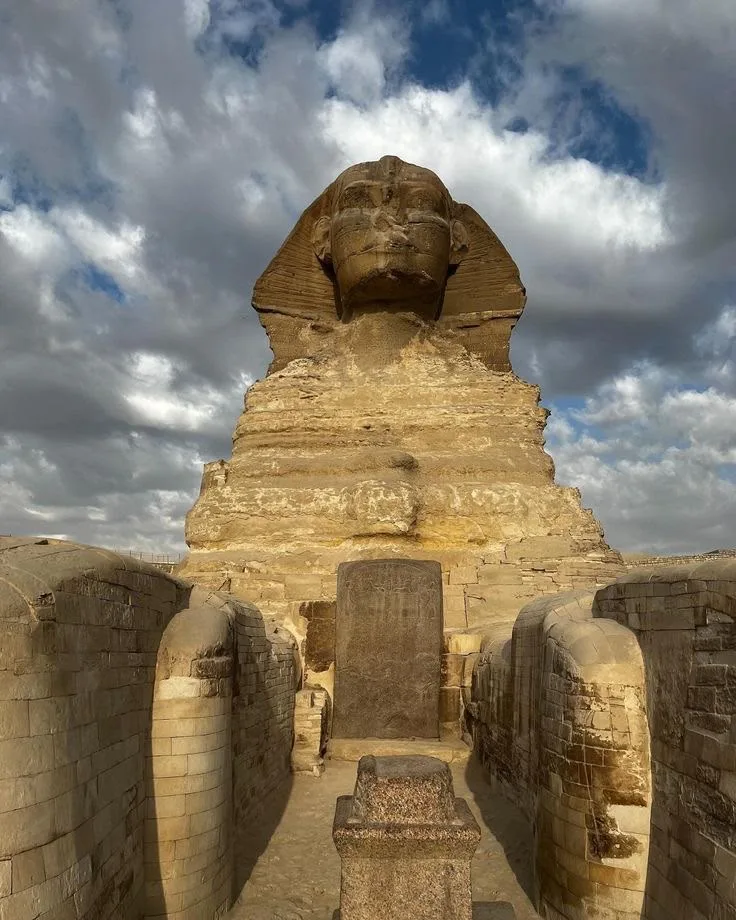
Egypt Highlights Deluxe
The headline acts of Egypt in seven days — the Egyptian Museum, Alexandria, the temples and tombs of Luxor, and the Pyramids of Giza.
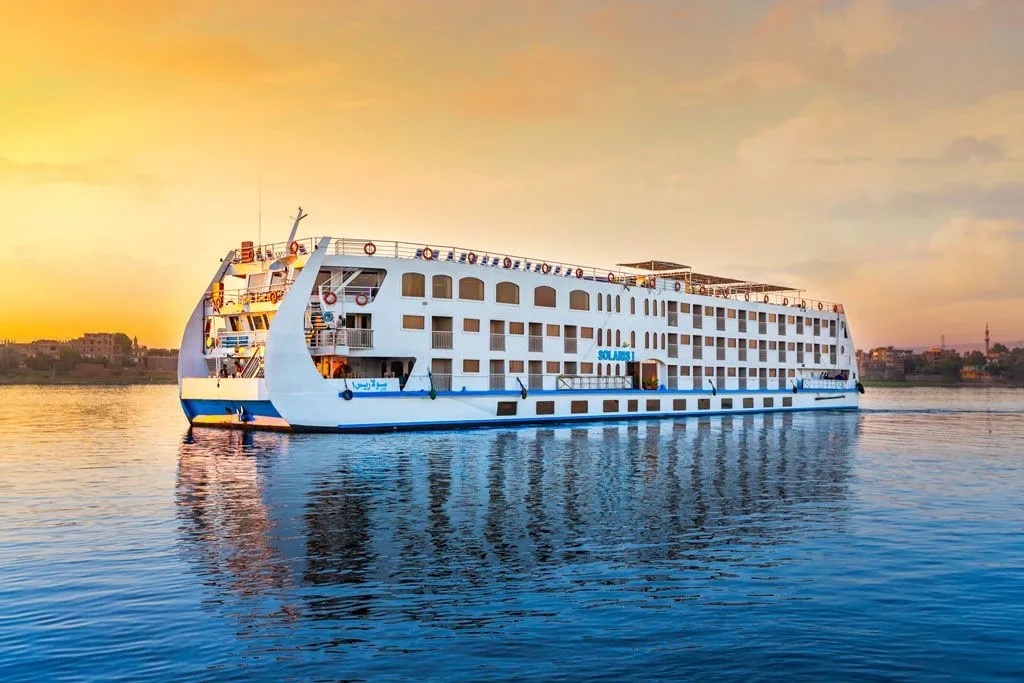
Nile in Style: Aswan to Luxor
The essential Nile cruise, done properly — Philae and the High Dam, three nights afloat past Kom Ombo and Edfu, and Luxor's East and West Banks with your own Egyptologist.
Related guides
Egypt Travel Guide
Everything you need to plan a trip to Egypt — visa requirements, the best time to go, getting around, top destinations, culture and practical essentials.
Best Time to Visit Egypt
Egypt's best travel season is October to April, when Nile Valley temperatures are mild and monuments are comfortable to explore. Here is what to expect season by season and destination by destination.
The Ideal 10-Day Egypt Itinerary
A field-tested 10-day Egypt route — Cairo and Giza, a flight south, Luxor's two banks, a three-night Nile cruise to Aswan and Abu Simbel — with the pacing mistakes to avoid.
Related experiences
Private activities at the destinations covered in this guide.
Sunrise at the Giza Pyramids
Watch the first light of dawn break over the Great Pyramid in an exclusive early-access session before the plateau opens to day visitors — led by a licensed Egyptologist.
Private Felucca Sailing on the Nile
Charter an entire traditional felucca and drift down the Nile past ancient temples, granite boulders and palm-lined riverbanks — at the same unhurried pace Egyptians have sailed for millennia.
Old Cairo Walking Experience
Walk the medieval lanes of Islamic Cairo and the Coptic quarter with a historian guide who reads the city's 1,400-year layered fabric — from Roman fortifications to Ottoman merchant palaces.
Book a travel consultation
A short conversation can save weeks of research. Speak to our team about destinations, timing, budgets and what to expect.