Egyptian Museum or the Grand Egyptian Museum?
One is the new wonder. The other is the hundred-year-old attic, and it is not the lesser one.
If you have one visit, the Grand Egyptian Museum — it holds the complete Tutankhamun collection, it is purpose-built, and the grand staircase of royal statuary with the Pyramids framed at the top is the single most impressive museum space in the world. But do not write off the old museum. It holds the royal gold of Tanis, the burial goods of Yuya and Tjuyu, a density of objects the new building deliberately avoids, and an atmosphere that a modern museum cannot manufacture. They are twenty kilometres apart and both deserve a half-day.
For a century the Egyptian Museum on Tahrir Square held essentially everything, in glass cases, with handwritten labels, packed to the ceiling. The Grand Egyptian Museum on the edge of the Giza plateau changed that — and the question of which to visit is now the most common Cairo planning question we are asked.
| Egyptian Museum (Tahrir) | Grand Egyptian Museum (Giza) | |
|---|---|---|
| Where | Tahrir Square, central Cairo | Giza plateau edge, ~20km west |
| Opened | 1902 | November 2025 |
| Tutankhamun | A small selection remains | The complete collection — over 5,000 objects |
| Royal Mummies | Moved to the National Museum of Egyptian Civilisation (Fustat) | Not held here |
| The building | A historic museum, dense and atmospheric | Purpose-built, vast, with the Pyramids in the sightline |
| Time needed | 2–3 hours | 3–4 hours minimum, easily a full day |
| Crowds | Moderate and manageable | Heavy — go at opening or late afternoon |
| Best paired with | Islamic and Coptic Cairo, both central | The Giza plateau, ten minutes away |
Choose the Tahrir museum if
- You have been to Egypt before and want density rather than curation
- Your day is otherwise in central Cairo and crossing the city is not worth it
- The nineteenth-century museum experience appeals — cases, labels, dust and all
- You have limited time and are not making a special trip to Giza that day
Choose the Grand Egyptian Museum if
- Tutankhamun is the reason you came — the complete collection is only here
- This is a first visit to Egypt
- You are seeing the Pyramids the same day; they are ten minutes apart
- You are travelling with people who tire of dense displays and need space
Where the mummies went
The Royal Mummies are in neither building. They were moved in 2021 to the National Museum of Egyptian Civilisation at Fustat, in a purpose-built hall, and the transfer itself — a televised procession of twenty-two pharaohs through Cairo — was one of the great pieces of national theatre of the decade. If seeing Ramesses II's face is on your list, that is a third museum and a separate half-day, and it is worth it.
How to do both without losing a day
They are twenty kilometres apart across a city with genuinely difficult traffic, so combining them in one day means most of the middle of it in a car. The structure that works: the Grand Egyptian Museum in the morning followed by the Giza plateau in the afternoon, since they are neighbours; and the Tahrir museum on a separate day paired with Islamic Cairo, the Citadel or the Coptic quarter — all of which are central.
Why the old museum still matters
The Grand Egyptian Museum is curated: objects have space, light and explanation. The Tahrir museum is the opposite — an accumulation, room after room, with more in one hall than most national museums hold in total. For a first visit the new building is the better introduction. For anyone with a real interest, the old one is where you find the thing nobody told you about, in a case in a corner, with a card that has been there since 1930.
Which museum — questions
What is the difference between the Egyptian Museum and the Grand Egyptian Museum?
The Egyptian Museum on Tahrir Square opened in 1902 and is dense, historic and packed with objects. The Grand Egyptian Museum, on the edge of the Giza plateau, officially opened in November 2025 and is purpose-built, vast, and holds the complete Tutankhamun collection of over 5,000 objects. They are twenty kilometres apart and hold different things.
Where is Tutankhamun's treasure now?
At the Grand Egyptian Museum in Giza, where the complete collection — over 5,000 objects, many never previously displayed — is shown together for the first time since its discovery. A small selection remains at the Tahrir museum.
Where are the Royal Mummies?
At the National Museum of Egyptian Civilisation in Fustat, in a dedicated hall, since the 2021 transfer. They are in neither the Tahrir museum nor the Grand Egyptian Museum. Seeing them is a separate half-day and well worth planning in.
How long do you need at the Grand Egyptian Museum?
Three to four hours as a minimum and a full day if you are genuinely interested. It is very large, the Tutankhamun galleries alone absorb over an hour, and rushing it defeats the purpose. Go at opening or in the late afternoon — the middle of the day is the busiest.
Other decisions
Fly or take the sleeper train to Luxor and Aswan?
An hour in the air against a night on the rails — and what each one costs you in sleep.
Nile cruise or land tour?
Between Luxor and Aswan, the boat wins — and the reason is not the boat.
Dahabiya or cruise ship?
Eight cabins under sail against a hundred and forty with an engine.
Luxor or Aswan?
One is the greatest concentration of monuments on earth. The other is where you breathe.
Sharm el-Sheikh or Hurghada?
Better reefs on one side, better access to everything else on the other.
Either way, privately
Led by a licensed Egyptologist, with no shared coaches and no fixed departures. Tell us which way you are leaning and we will build the itinerary around it.
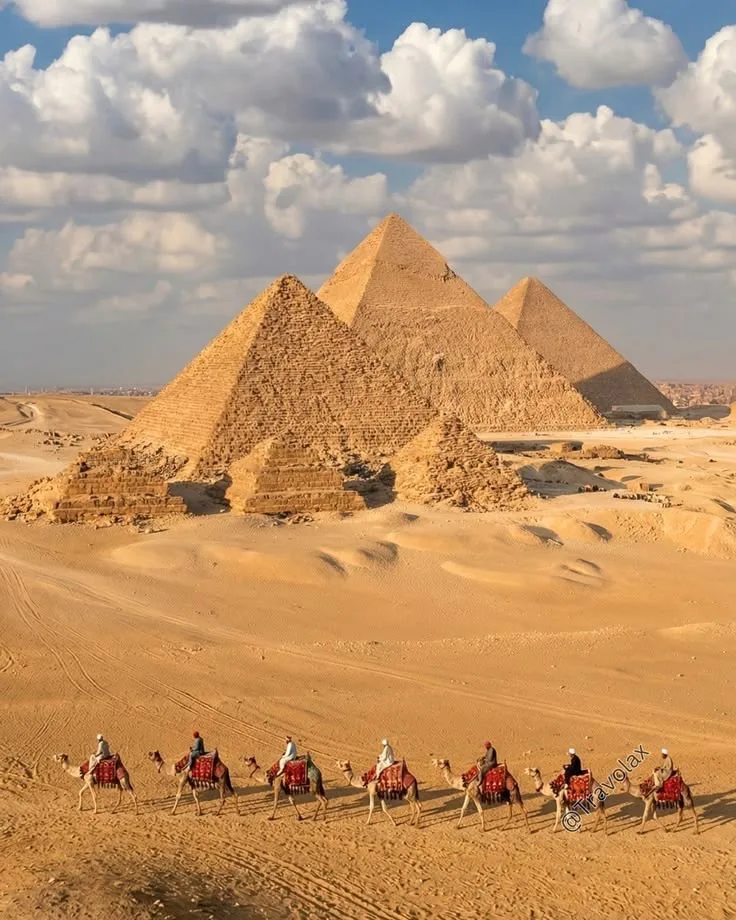
The Grand Tour of Egypt
Our most complete journey: two capitals, a Nile cruise, Ramesses II's mountain temple at Abu Simbel, and four Red Sea days to absorb it all.
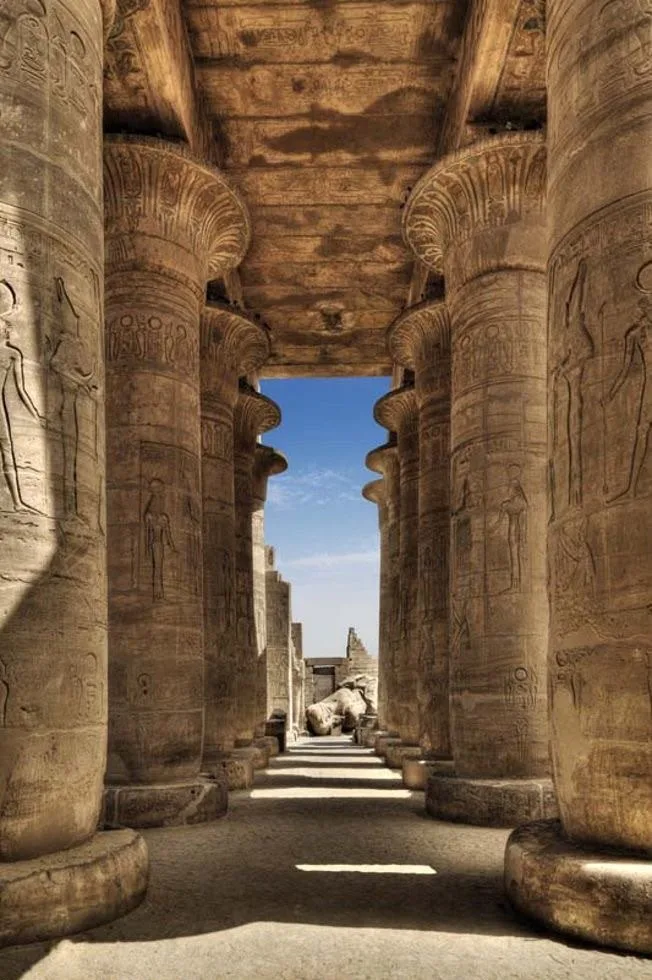
Egypt Icons & Nile Cruise
Our most complete journey: Cairo, Alexandria, a sleeper train south, and a three-night Nile cruise from Aswan to Luxor — every layer of Egypt in one arc.
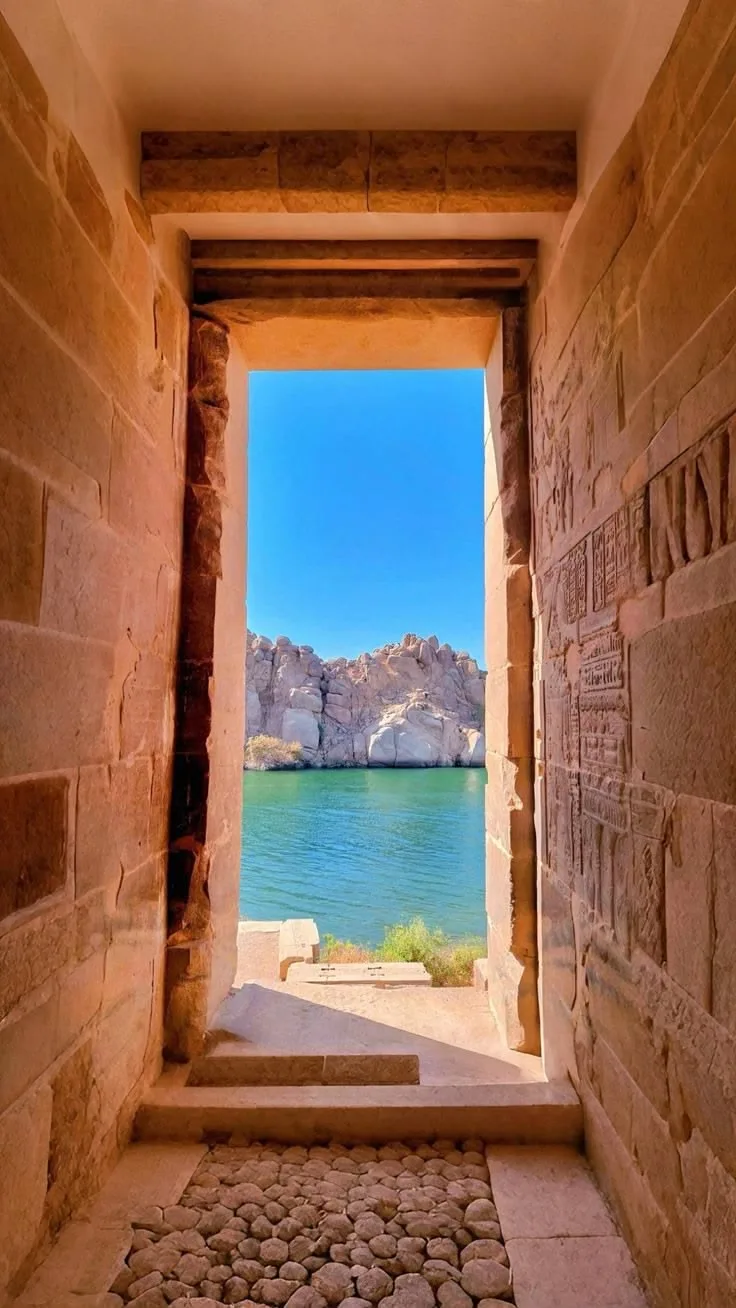
Honeymoon on the Nile
Egypt as a honeymoon should be — private sunrise at the pyramids, a felucca at golden hour, three nights on the Nile and suites chosen for the view.
Still deciding?
Tell us your dates, your party and what you want out of the trip. We will tell you which way we would go and why — including when the answer is the cheaper one.