Diving the Red Sea
Reef-wall diving in the southern Red Sea at Marsa Alam — 20–30 metres of visibility, warm water year-round, and reefs in better condition than the north.
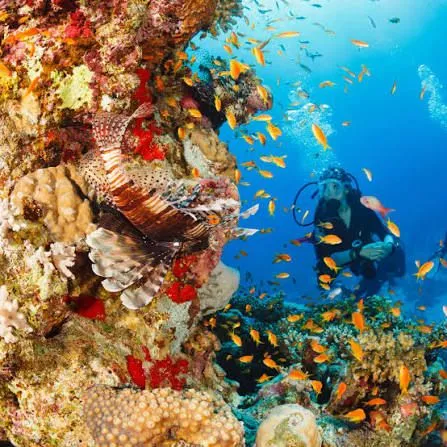
About this experience
Marsa Alam sits far enough south that the diving changes character. The reefs here have seen less traffic than those off Sharm and Hurghada, the walls are steep and close to shore, and the sites are known for larger life: dugong in the seagrass bays, turtles almost routinely, and the offshore reefs of Elphinstone and the Fury Shoals for divers with the experience for them. Water temperature runs from about 22 °C in winter to 28 °C in late summer, and visibility of 20 to 30 metres is normal rather than exceptional. It works for a first open-water course and for a serious week of diving equally well, which is unusual.
What to expect
A morning departure from the marina, with the day's sites chosen for conditions and your certification level
A briefing per dive covering the site profile, entry and exit, and the maximum depth planned
Typically two dives with a surface interval and lunch on board between them
Reef walls, coral gardens and — depending on the site — turtles, napoleon wrasse, and reef sharks at the offshore reefs
Return to the marina in the afternoon, with logbooks signed
Good to know before you go
- Bring your certification card and logbook; a centre may ask for a check dive if you have not dived recently
- Do not fly for at least 24 hours after your last dive — this shapes how the end of an Egypt itinerary is built
- Reef-safe sunscreen only, and never stand on or touch coral: these are protected reefs
- Non-divers can come on the same boat and snorkel the same sites — the walls start near the surface
- Elphinstone and the far offshore reefs are current-swept and are for experienced divers only
Good to know
Is Marsa Alam good for diving?
It is among the best in Egypt. The southern reefs have had less pressure than those further north, the walls are steep and close in, and the area is known for dugong, turtles and — at the offshore reefs — larger pelagics. Visibility of 20–30 metres is the norm and the water stays between about 22 and 28 °C all year.
Can beginners dive in the Red Sea?
Yes. The sheltered bays are ideal for try-dives and open-water courses: warm, clear, shallow to begin with, and with reef life immediately. Beginners and experienced divers can usually be accommodated on the same boat day, with different sites or profiles.
How long should I wait to fly after diving?
At least 24 hours after your final dive. It is a firm constraint rather than a suggestion, and it affects itinerary design — we always place the diving days so that the buffer is in place before any domestic or international flight.
Do I need to dive to enjoy the Red Sea?
No. Because the reef walls begin very close to the surface, snorkellers see much of what divers see. Non-diving members of a group routinely come on the same boat and spend the day snorkelling the same sites.
Other activities

Hot-Air Balloon over Luxor
Lift off at dawn over the West Bank as the temples and tombs of Thebes emerge from the mist and the Nile turns gold below.

Sufi Tanoura Show
An evening of whirling dervishes and live music in a restored Ottoman palace — colour, percussion and devotion in motion.
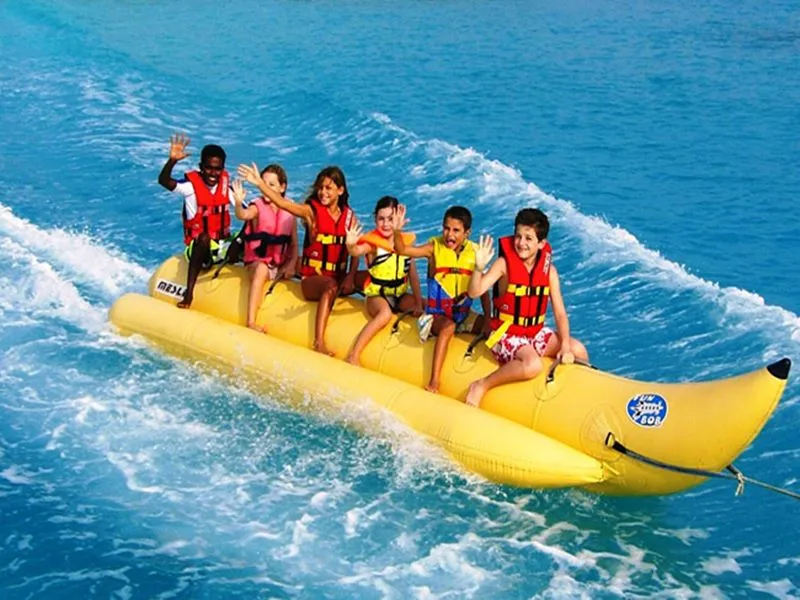
Banana Boat Ride
A fast, laughter-filled spin across the turquoise shallows of the Red Sea — the easiest way onto the water for all ages.
Talk to a local expert
Our team lives and breathes Egypt travel. Share what draws you here — we'll help you design the journey that fits.